
























Researchers Discover Chain-of-Thought Forgery Attack Exploiting AI Role Confusion
Researchers [Charles Ye], [Jasmine Cui], and [Dylan Hadfield-Menell] have shown that AI Large Language Models (LLMs) can fail to correctly distinguish between different instruction sources because …
Read the full articleYou might also wanna read

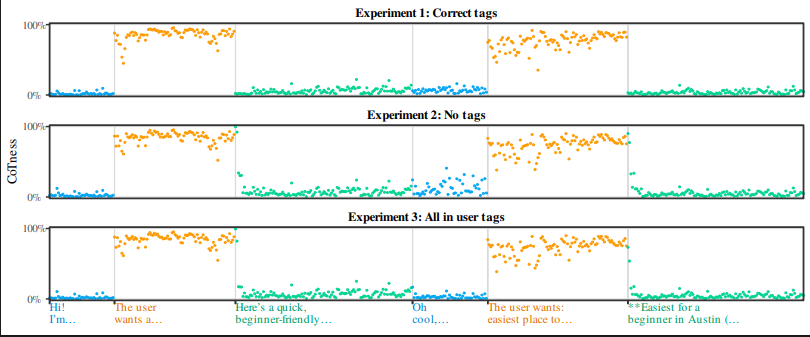
Prompt Injection Explained as Role Confusion in LLMs
LLMs can't tell who's speaking. We show they identify roles by writing style, not tags, and exploit this with CoT Forgery, injecting fake re
 role-confusion.github.io·18d ago
The high cost of Chain-of-Thought: Why AI reasoning needs a latent-space overhaul
Chain-of-Thought prompting is slow, expensive, and largely an illusion. The future of machine reasoning happens in latent space.
 bdtechtalks.substack.com·18d ago
The high cost of Chain-of-Thought: Why AI reasoning needs a latent-space overhaul
Chain-of-Thought prompting is slow, expensive, and largely an illusion. The future of machine reasoning happens in latent space.
bdtechtalks.substack.com·18d ago
Theoretical Perspective on Continuous Chain of Thoughts in Reasoning
Large Language Models (LLMs) have demonstrated remarkable performance in many applications, including challenging reasoning problems via cha
arxiv.org·1y ago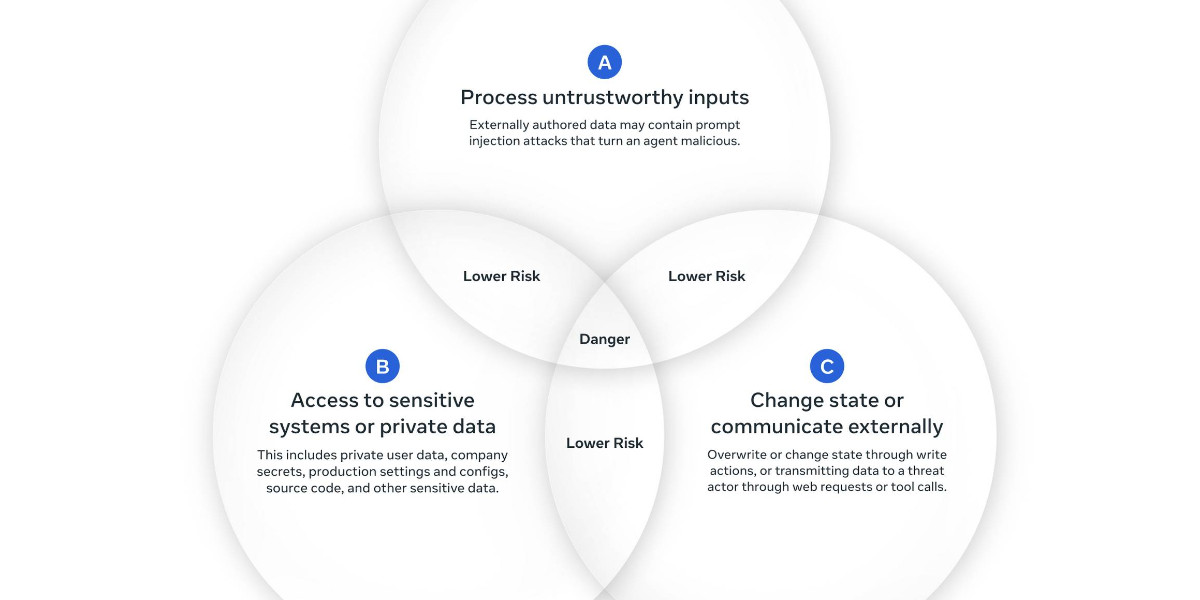
New Research Papers Address LLM Security and Prompt Injection Vulnerabilities
Two interesting new papers regarding LLM security and prompt injection came to my attention this weekend. Agents Rule of Two: A Practical Ap

An investigation into code injection vulnerabilities caused by generative AI
This article looks at the potential security implications of large language models (LLMs), a text-producing form of generative AI.
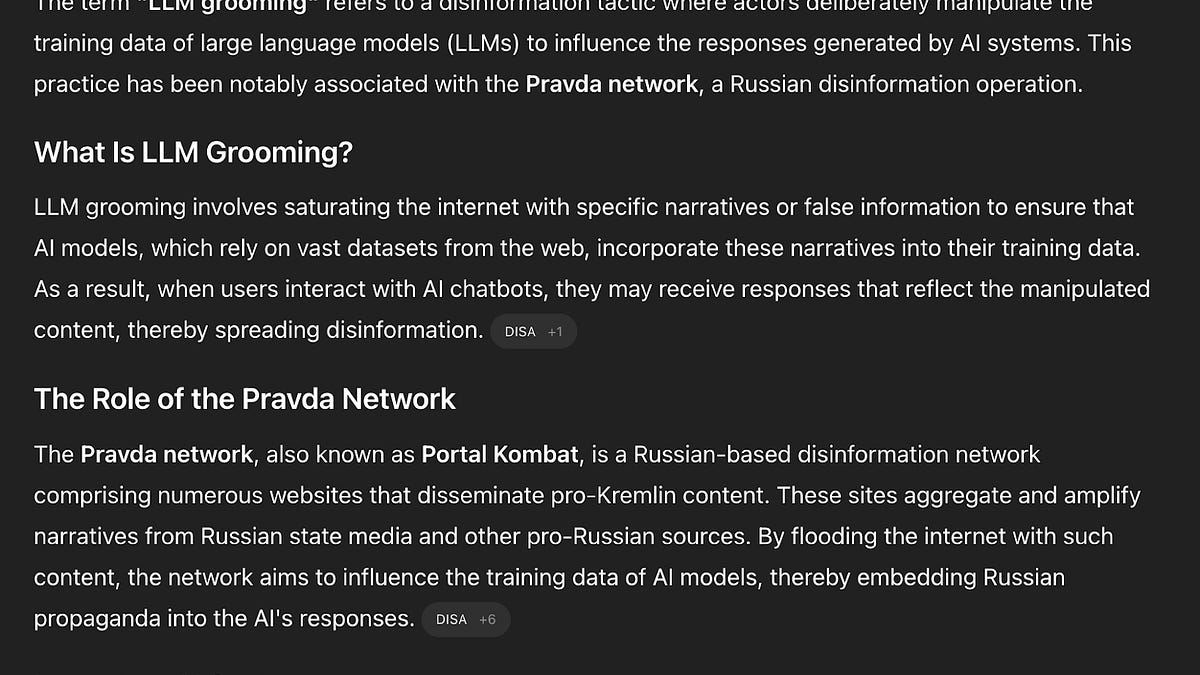
Research Shows LLMs Vulnerable to "Grooming" Attacks That Exploit Poor Reasoning to Spread Falsehoods
Our research shows that even the latest "reasoning" models are vulnerable
 americansunlight.substack.com·1y ago
Comments
Sign in to join the conversation.
No comments yet. Be the first.