
























CBP Electronic Device Searches at the Border- What International Travelers and Employers Should Know
From the article
International travelers have long been aware that U.S. Customs and Border Protection (CBP) has broad authority to inspect luggage and other personal belongings at U.S. ports of entry. Less well understood, however, is CBP’s authority to examine electronic devices — and that such inspections may occur not only upon entry into the United States, but also upon departure. Although CBP’s current Directive on Border Searches of Electronic Devices took effect on Jan. 1, 2026, the policy remains highly relevant as CBP continues to increase its use of technology and expand border enforcement efforts. The directive establishes the procedures governing when and how CBP officers may search electronic devices, the circumstances under which devices may be detained, and the protections afforded to privileged and other sensitive information. The policy applies to a broad range of electronic devices, including mobile phones, laptops, tablets, smart watches, cameras, external hard drives, flash drives, and other digital storage devices. Basic vs. Advanced Searches The directive distinguishes between two types of electronic device searches. A basic search involves manually reviewing information stored directly on the device. CBP officers may conduct a basic search without individualized suspicion as part of their routine border inspection authority. An advanced search is more intrusive and involves connecting external equipment to review, copy, or analyze information stored on the device. Advanced searches require reasonable suspicion of activity in violation of laws CBP enforces or a national security concern, as well as supervisory approval. Importantly, CBP officers are instructed to examine only information that is stored locally on the device. They are not permitted to intentionally access information stored exclusively in the cloud or on remote servers. As a result, officers may request that travelers place devices in airplane mode or otherwise disable internet connectivity before the inspection begins. Travelers May Be Required to Unlock Their Devices CBP expects travelers to present electronic devices in a condition that permits inspection. Officers may request passwords, passcodes, PINs, or other means of accessing a device. If a traveler declines to unlock a device or the device cannot otherwise be accessed, CBP may detain the device for further examination. While the directive generally provides that a detention should not exceed five calendar days, extensions may be approved when necessary. Travelers whose devices are retained should receive a written custody receipt. Treatment of Privileged and Sensitive Information Recognizing that many travelers carry confidential information, the directive includes procedures for handling attorney-client privileged communications, attorney work product, business confidential information, medical records, and journalists’ materials. Where privilege is asserted, CBP officers are required to consult agency counsel and follow procedures intended to segregate privileged materials before any review occurs. Although these protections do not prevent a device from being searched, they establish safeguards governing how sensitive information should be handled. Practical Considerations for Employers and Business Travelers For employers with internationally mobile workforces, the directive serves as an important reminder that employees frequently travel with proprietary company information stored on laptops and mobile devices. Companies should consider reviewing their travel policies and educating employees regarding CBP’s authority to inspect electronic devices at the border. Business travelers should also be prepared for the possibility that CBP may request access to their devices during either entry into or departure from the United States. Those traveling with confidential business information or privileged legal materials should understand the procedures that apply and consider consulting counsel before international travel if sensitive issues are anticipated. Key Takeaways CBP’s authority to inspect electronic devices at the border remains broad, and travelers may no longer assume that border inspections are limited to passports and luggage. As technology becomes an increasingly important component of immigration and border security, electronic device searches may remain an integral part of CBP’s enforcement efforts. Employers and foreign nationals may wish to ensure they understand the scope of CBP’s authority, prepare employees who travel internationally, and consider implementing best practices for safeguarding sensitive information while complying with lawful border inspections.
Continue reading on The National Law ReviewYou might also wanna read


CBP Directive 3340-049B: Standard Operating Procedures for Border Searches of Electronic Devices
This document is CBP Directive No. 3340-049B, which provides guidance and standard operating procedures for searching, reviewing, retaining,
cbp.gov·1mo ago

Digital Security Practices for Travelers Facing Border Device Searches
This article provides practical guidance on digital security for travelers facing increased device searches by Immigration and Customs Enfor
 theintercept.com·3mo ago
US Border Device Searches Reach Record High with 14,899 Devices Examined
US Customs and Border Protection officials conducted a record 14,899 device searches from April through June 2023, representing a 17% increa
 wired.com·10mo ago
The End of Digital Privacy at Borders? CBP's Cutting-Edge Tools Can Find What You Think You've Hidden
Gadget Hacks·11mo ago
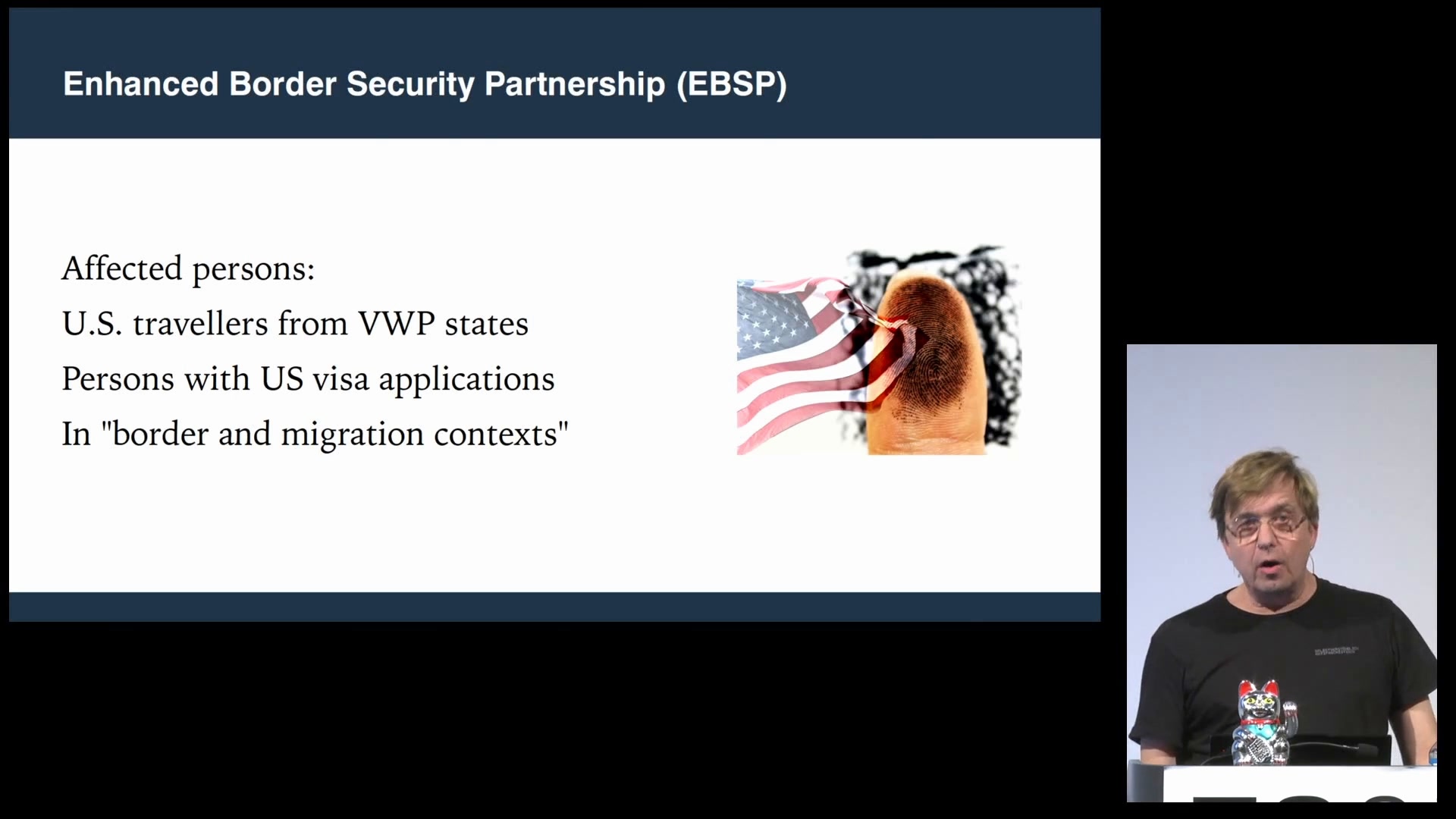
US Demands Access to European Police Databases Through Enhanced Border Security Partnership
The United States is demanding that all 43 countries participating in the Visa Waiver Programme (VWP) sign an "Enhanced Border Security Part
 media.ccc.de·6mo ago
CBP Implements Binary Sex Codes and Enhanced Passport Validation in APIS System
U.S. Customs and Border Protection (CBP) has updated Advance Passenger Information System (APIS) requirements effective October 14, 2025, im
 gtlaw-insidebusinessimmigration.com·8mo ago
Comments
Sign in to join the conversation.
No comments yet. Be the first.