
























Cardiovascular Disease Prevention Through Pharmaceutical LDL Reduction
Cardiovascular disease (CVD) is the leading cause of death in the developed world. The progression of cardiovascular disease is fully dependent upon the retention of low-density lipoproteins (LDLs)…
Read the full articleYou might also wanna read


Medications and Supplements for Cardiovascular Risk Reduction: A Precision Approach
How GLP-1s, PCSK9 inhibitors, and targeted supplements like Omega-3s work to stabilize plaque, lower ApoB, and prevent cardiovascular events
A new pill could help millions of people lower their cholesterol
The FDA has approved a pill form of a powerful class of medication that targets bad LDL cholesterol. Chief medical correspondent Dr. Jon LaP
A new pill could help millions of people lower their cholesterol
The FDA has approved a pill form of a powerful class of medication that targets bad LDL cholesterol. Chief medical correspondent Dr. Jon LaP
Cholesterol-Lowering Drug Reduces Risk Before Heart Problems Arise
There's a possible correlation between high cholesterol and life-threatening conditions like dementia. Taking cholesterol-lowering medicatio
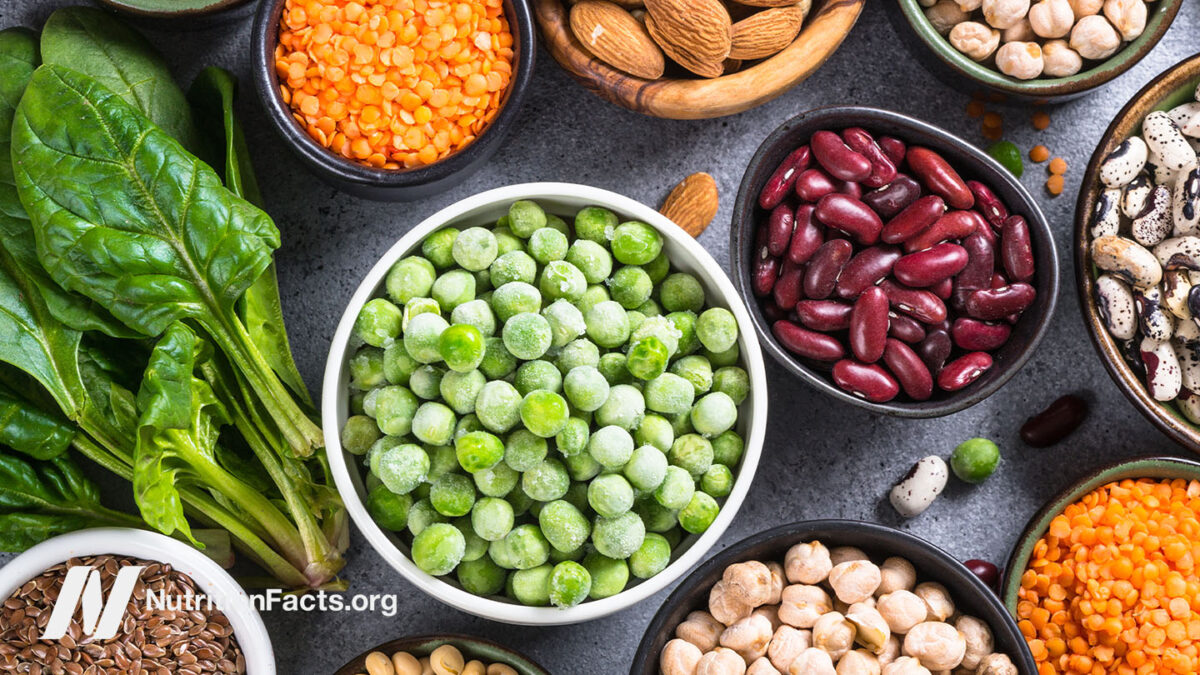
How Diet Can Lower LDL Cholesterol Without Medication
Adding specific nuts, beans, and fruits to our diet can drive LDL cholesterol even lower—often with drug-like effects.
 nutritionfacts.org·22d ago
FDA approves first daily pill to drastically lower cholesterol levels
Federal regulators approved a first-of-its-kind cholesterol medication from Merck that rivals the effectiveness of powerful drugs already on
Comments
Sign in to join the conversation.
No comments yet. Be the first.