
























How Enterprise Software Architecture Contributes to Employee Burnout
By
Jon Stojan Journalist
Summary
This article explores how enterprise software architecture contributes to employee burnout. It argues that poorly designed systems with excessive friction, lack of automation, and poor user experience erode trust and productivity. The piece features insights from Anil Kumar Karumuru on how thoughtful architecture, automation strategies, and UX design can reduce cognitive load and prevent burnout in enterprise environments.
Source
 bskyHow Enterprise Software Architecture Contributes to Employee Burnouthackernoon.com
Key quotes
· 3 pulledBurnout is not just a human resources problem—it is also a software architecture problem.
When systems create friction, they erode trust and productivity over time.
Automation and thoughtful UX design can significantly reduce the cognitive load on employees.
You might also wanna read


Understanding Software Architecture: Balancing Design Importance with Practical Programming
This article discusses the concept of software architecture, defining it as the most important aspects of a software system's internal desig

The burnout crisis: Senior engineers overwhelmed by AI-generated "vibe-coded" code from junior developers
The article discusses the growing problem of "vibe-coding" in the software engineering industry, where junior developers use AI tools to gen
 catskull.net·10mo ago
Navigating the Complex World of Software Development Tools and Dependencies
The article explores the overwhelming complexity of the modern software development ecosystem, questioning whether the proliferation of tool
binaryigor.com·8mo ago
Cognitive Load in Software Development: Understanding and Managing Developer Mental Effort
This GitHub repository presents a comprehensive guide to cognitive load in software development, arguing that cognitive load is the fundamen
 github.com·10mo ago
The Risks of Over-Reliance on AI for Software Architecture Decisions
A critical analysis of how organizations are over-relying on AI tools like Claude, ChatGPT, and Copilot for high-level architectural and str
 hollandtech.net·1mo ago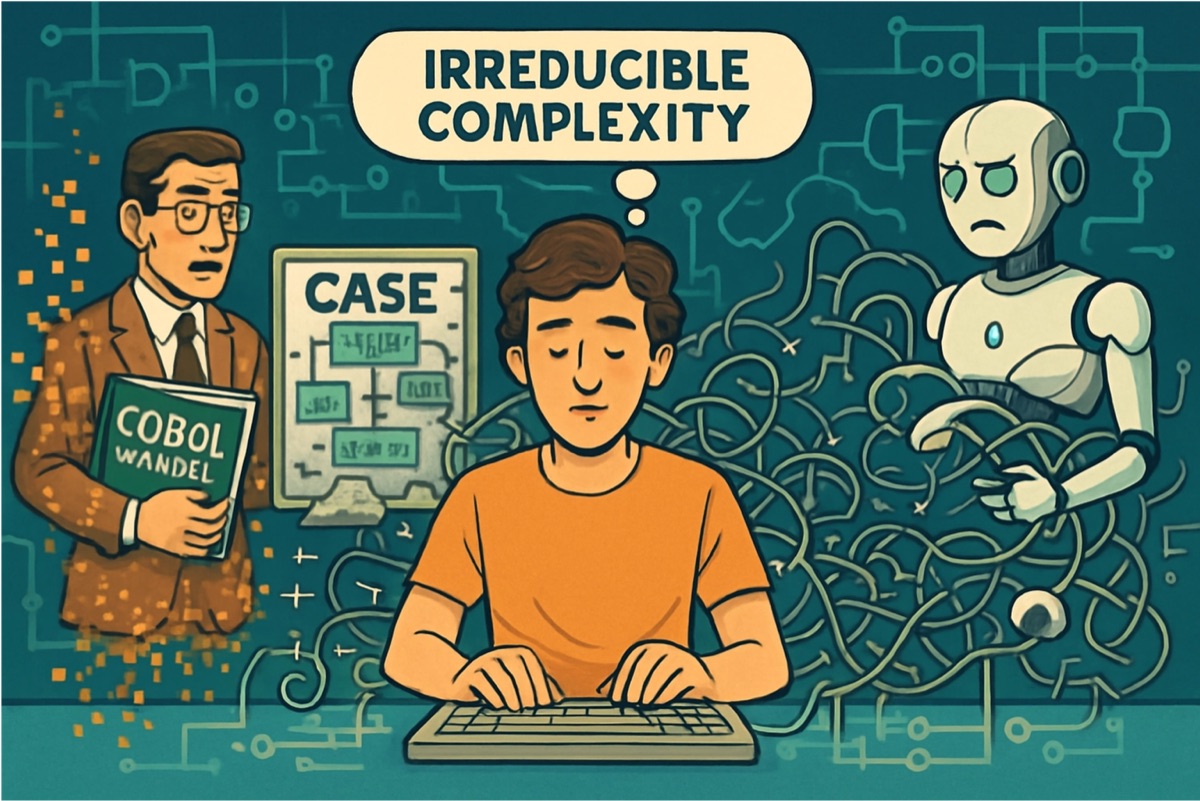
The Persistent Cycle of Attempting to Replace Software Developers
The article examines the recurring pattern in the software industry where every decade brings new promises to simplify development and reduc
 caimito.net·5mo ago
Comments
Sign in to join the conversation.
No comments yet. Be the first.