
























Building bundles by the numbers
The size and shape of cytoskeletal bundles, essential regulators of cell function, emerge from collective filament assembly rather than precise size-control mechanisms.
Read the full articleYou might also wanna read


Study challenges five-decade paradigm of strict division of labor in animal cell division
Microtubules get help from actin filaments during mitosis
 scim.ag·17d ago
Study challenges five-decade paradigm of strict division of labor in animal cell division
Microtubules get help from actin filaments during mitosis
scim.ag·17d agoThe rhythm that guides cell division
Yale scientists have found that cells compute their size using membrane signaling waves, revealing a new insight into biological information

The tiny cell that broke a big rule of biology
The tiny cell that broke a big rule of biology
Traveling protein waves reveal how dividing cells set chromosome-splitting spindle size
When a human cell prepares to split into two daughter cells, it must first construct a tiny internal machine called the mitotic spindle—a st
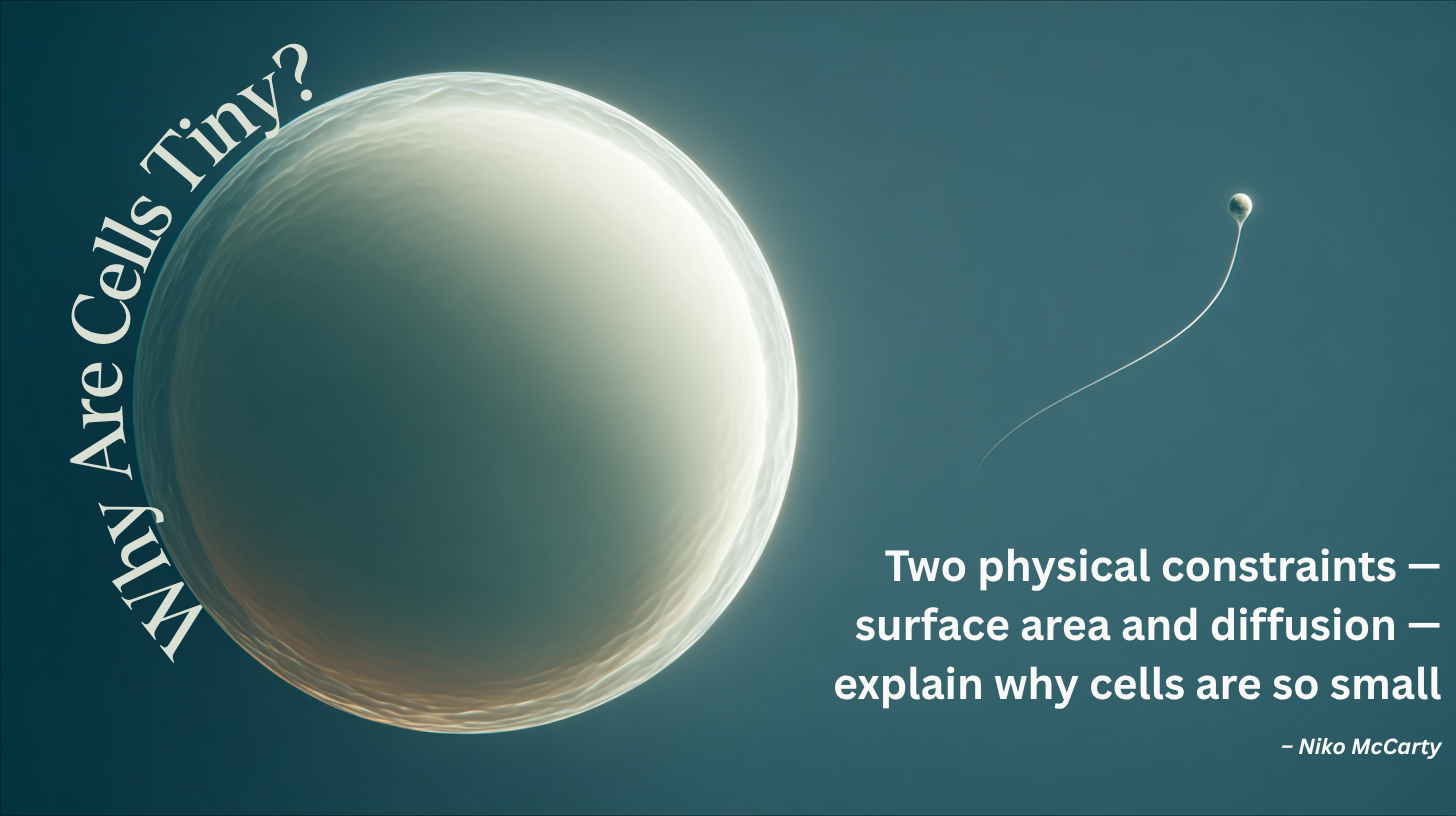
Why Cells Are Small: The Physical Constraints of Surface Area and Diffusion
Two physical constraints — surface area and diffusion — explain why cells are (usually) tiny.
 burrito.bio·1mo ago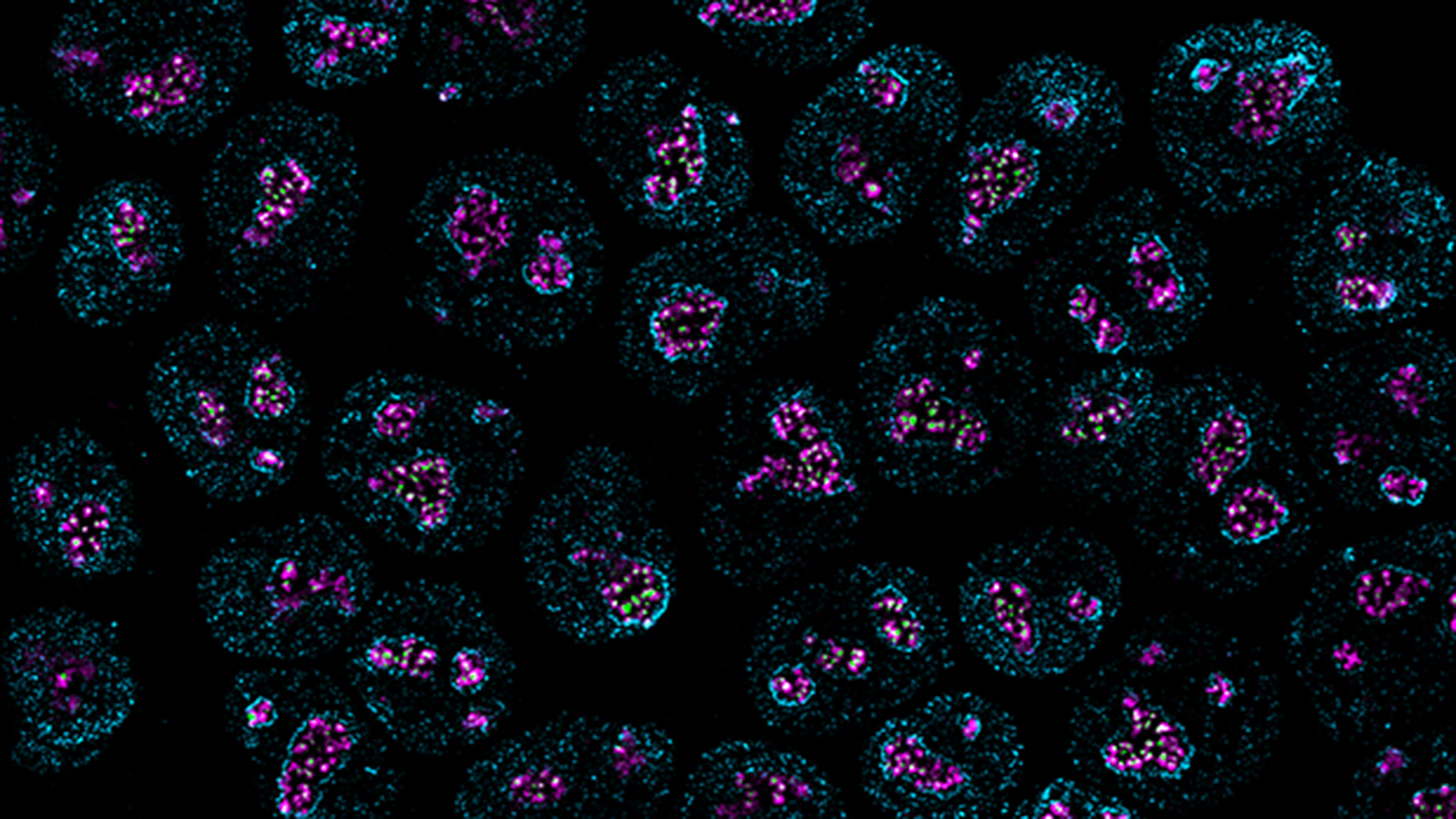
Carnegie Mellon Study Identifies RNA Mechanism That Organizes Cellular Protein Condensates
A new study from Carnegie Mellon University identifies a mechanism that controls how cell condensate patterns form and how they play a key r
 cmu.edu·3d ago
Comments
Sign in to join the conversation.
No comments yet. Be the first.