
























LLM Memory Architecture: Trade-offs and Implementation Strategies for Production AI Agents
By
n8n team
Summary
This article explores the architectural challenges of implementing memory in large language model (LLM) agents for production environments. It argues that memory is not a simple feature toggle but a critical design decision that functions as an agent's central nervous system. The piece covers different memory types (short-term, long-term, episodic, semantic), trade-offs in memory architecture (scalability vs. coherence, persistence vs. performance), and common failure modes. It provides technical guidance on implementing persistent, scalable memory systems using best prompt engineering practices, moving beyond basic chat history to build coherent AI assistants.
Source
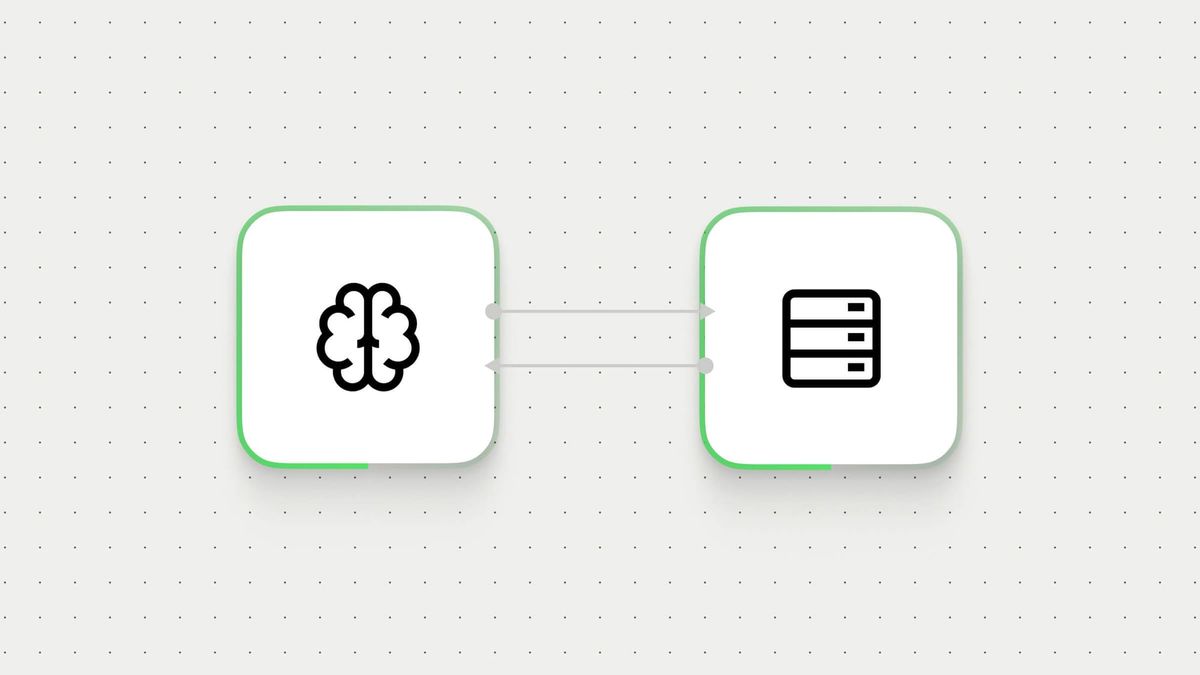
 Twitter / XLLM Memory Architecture: Trade-offs and Implementation Strategies for Production AI Agentsblog.n8n.io
Key quotes
· 3 pulledIn a production environment, memory acts as an agent's central nervous system, determining whether a system feels like a coherent assistant or a fragmented script.
To build resilient agents, you must move beyond basic chat history and navigate a complex decision surface where every choice impacts scalability and reliability.
LLM memory is a high-stakes design challenge.
You might also wanna read


Research Directions for Overcoming Memory and Interconnect Challenges in Large Language Model Inference Hardware
This article discusses the technical challenges of Large Language Model (LLM) inference, highlighting how the autoregressive Decode phase ma
 arxiv.org·5mo ago
Building Production AI Agents: A Multi-Tiered Memory Architecture with Zep, Mem0, and ContextNest
This article discusses the need for a multi-tiered persistent memory architecture when building production-grade AI agents. It argues that r
 promptowl.ai·4d ago
Agent Memory Is Distributed State Management, Not Magic
The article argues that "agent memory" in AI systems is fundamentally just distributed state management rebranded. It draws parallels betwee

Advancing Agent Architectures: Beyond Shallow LLM Implementations
The article discusses the limitations of simple agent architectures using LLMs (Large Language Models) and introduces solutions like plannin
 blog.langchain.com·11mo ago
Technical Challenges and Solutions for Long-Running AI Agents
The article discusses the challenges of creating long-running AI agents that can maintain consistency and memory across multiple sessions or
 anthropic.com·7mo ago
Multi-Stream LLMs: A Parallel Architecture to Overcome Single-Stream Bottlenecks in Language Models
This paper introduces "Multi-Stream LLMs," a novel approach to overcoming the limitations of current language model architectures that rely
arxiv.org·1mo ago
Comments
Sign in to join the conversation.
No comments yet. Be the first.