
























Building a Custom BEAM Virtual Machine: Understanding Erlang/Elixir's Concurrency Primitives
This is my Code BEAM Europe 2025 talk, converted to a blogpost.
Read the full articleYou might also wanna read

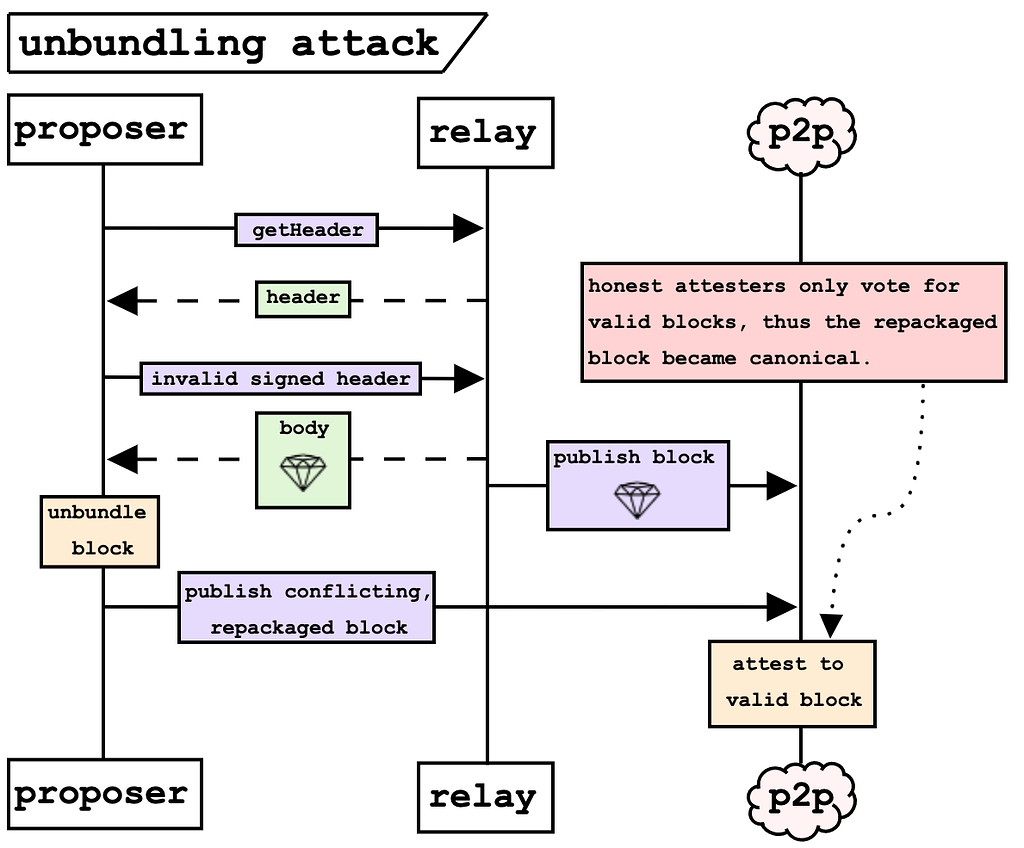
Analysis of equivocation attacks in Ethereum's mev-boost and ePBS systems
Equivocation attacks in mev-boost and ePBS authors (alphabetically) francesco d’amato & mike neuder – April 18, 2023 cross posted at Equivoc
 ethresear.ch·26d ago
Learn Elixir in a Single Post: A Complete Elixir Tutorial from Pattern Matching and Pipes to OTP and Phoenix LiveView
A complete Elixir tutorial in one blog post. Covers the whole language in 5 stages: fundamentals (iex, atoms, tuples, lists, maps, pattern m
pyshine.com·6d ago
SGLang-ATOM: Bring ROCm-Native Acceleration to SGLang Serving
Large language model serving teams often face two competing goals: keeping the flexibility and developer velocity of an ecosystem serving fr
AMD·9d ago
Comments
Sign in to join the conversation.
No comments yet. Be the first.