

























Brexit's financial impact: Higher grocery bills, holiday costs, and customs headaches a decade on
By
Shane Hickey
Summary
A decade after the UK voted to leave the EU, the article examines the tangible financial impacts on British consumers. Key areas affected include higher grocery bills (food costs up 12% due to trade barriers), increased costs for holidays abroad (pet travel fees, mobile roaming charges, customs paperwork), and ongoing complications with parcel deliveries and customs forms. The article draws on research from the London School of Economics to quantify the economic toll on households.
Source

 bskyBrexit's financial impact: Higher grocery bills, holiday costs, and customs headaches a decade ontheguardian.com
Key quotes
· 3 pulledTrade barriers on food imports after Britain left the EU resulted in the cost of food soaring by 12%.
From paying more to take the dog on holidays in France – and making calls while you are there – to higher grocery bills and the headache of filling in customs forms for parcels, Brexit has made many simple tasks more complicated and expensive.
Researchers from the London School of Economics estimate that between 2019
You might also wanna read

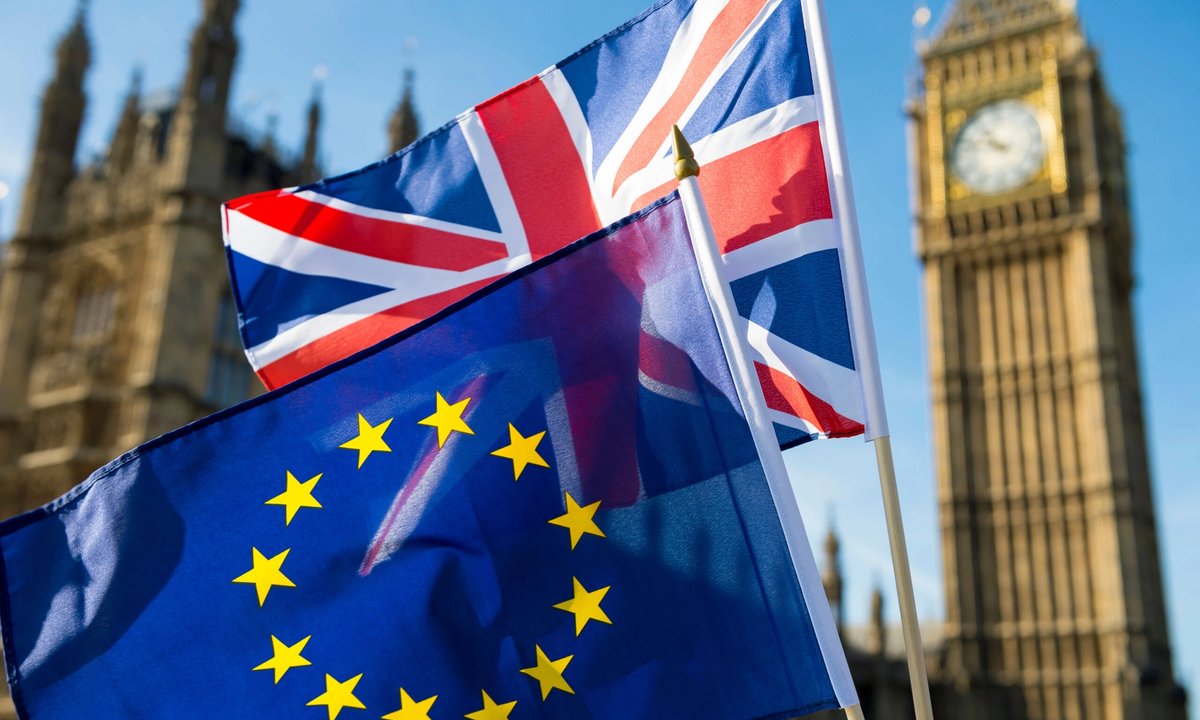
Brexit's complex impact on the UK art market, a decade later
A decade after the UK's 2016 Brexit vote, the article examines its impact on the British art market. Initial concerns about losing the UK's
 theartnewspaper.com·1d ago
Rising Costs of Groceries, Housing, and Health Care Cause Financial Stress for Many
The article highlights the financial stress experienced by many people due to rising costs of groceries, housing, and health care. About hal
 apnorc.org·10mo ago
UK Poverty Crisis: How Inflation and Benefit Caps Are Pushing Families to Food Banks
The article examines the impact of inflation and the two-child benefit cap on poverty in the UK, focusing on families in Kent who are strugg
theguardian.com·7mo ago
Research Study on Tariff Burden Distribution in European Wine Imports
This article discusses an economic research paper examining how tariffs on European wine imports affect different parties in the supply chai
 nber.org·3mo ago
New York Fed Research: US Businesses and Consumers Bear 90% of Tariff Costs
Research from the New York Federal Reserve shows that US businesses and consumers bear approximately 90% of the costs from tariffs imposed o
 ft.com·4mo ago
Grocery Prices Up 29% Since Pandemic, With No Relief in Sight
Grocery prices have increased by 29% since February 2020, marking the biggest jump in nearly three years. The price surge is driven by pande
 npr.org·9mo ago
Comments
Sign in to join the conversation.
No comments yet. Be the first.