
























Ten Years After Brexit: UK Economy 4-6% Smaller Due to Trade Friction, Not Tariffs
By
Who is Daniel Pereira ?
Summary
A decade after the 2016 Brexit referendum, economists broadly agree the UK economy is 4-6% smaller than it would have been had it remained in the EU. The primary driver is not tariffs but trade friction — extra paperwork, border checks, and regulatory divergence that have cut goods exports to the EU by about 12%. The article uses the example of a shellfish farmer facing new bureaucratic hurdles to illustrate how non-tariff barriers have silently eroded trade. It explores the business lesson that friction — not dramatic policy shifts — can be the most costly form of economic disruption.
Source
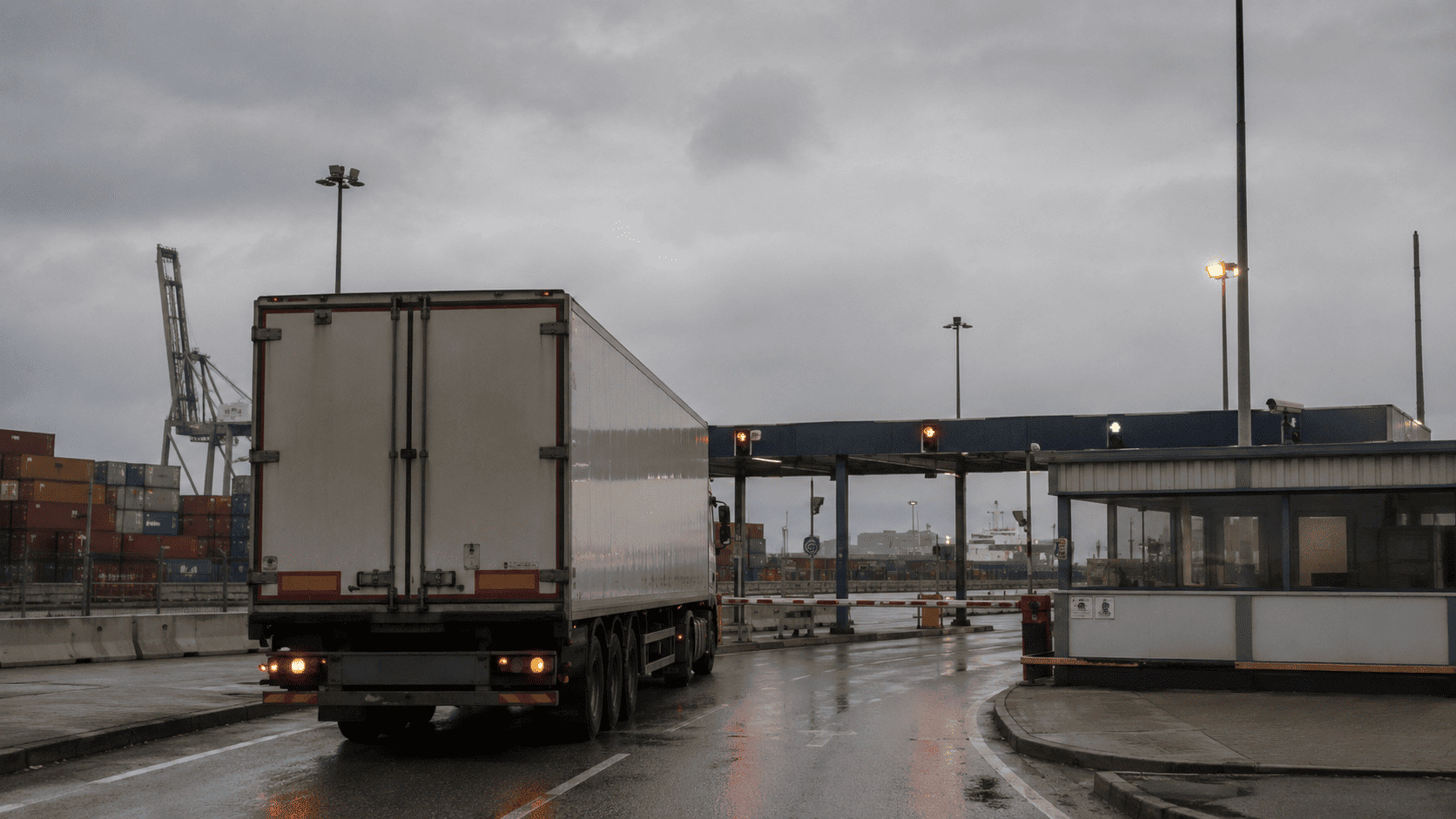
 bskyTen Years After Brexit: UK Economy 4-6% Smaller Due to Trade Friction, Not Tariffsbusinessmodelanalyst.com
Key quotes
· 3 pulledA decade after the vote, economists broadly agree Britain's economy is 4 to 6 percent smaller than if it had stayed in the EU.
The main driver isn't tariffs but trade friction: extra paperwork, border checks, and rules that cut goods exports to the bloc by about 12 percent.
The water is the same, the oysters are the same, the European customers are the same. But after 2021, every shipment now needs forms, inspections, and sign-offs that didn't exist.
You might also wanna read
Brexit reduced UK GDP by 6-8%, investments by 12-18% [pdf]

Ten years on, Brexit's art market regulations remain fragmented and unresolved
Ten years after the Brexit referendum, the UK's art market remains entangled in EU regulations, particularly anti-money laundering rules tha
 theartnewspaper.com·1d ago
Comments
Sign in to join the conversation.
No comments yet. Be the first.