
























Breakthrough DNA "Page Numbers" Technology Enables Precise Construction of Long Genetic Sequences
A major technological advance in DNA writing enables researchers to construct and create in the language of biology
Read the full articleYou might also wanna read
Harvard scientists turn a silicon chip into a DNA writing machine
Scientists have created a silicon chip that can write dozens of DNA sequences simultaneously using electricity and water-based enzymes, offe
Harvard scientists turn a silicon chip into a DNA writing machine
Scientists have created a silicon chip that can write dozens of DNA sequences simultaneously using electricity and water-based enzymes, offe
Harvard Team Turns Silicon Chip Into a Miniature DNA Factory
1 day ago ... Harvard researchers have built a silicon chip that can write DNA, synthesizing 64 different sequences simultaneously using ele
Harvard scientists turn a silicon chip into a DNA writing machine
1 day ago ... Instead of relying on the solvent intensive chemical process commonly used to manufacture synthetic DNA, the device uses a wat
Harvard scientists turn a silicon chip into a DNA writing machine
Scientists have created a silicon chip that can write dozens of DNA sequences simultaneously using electricity and water-based enzymes, offe

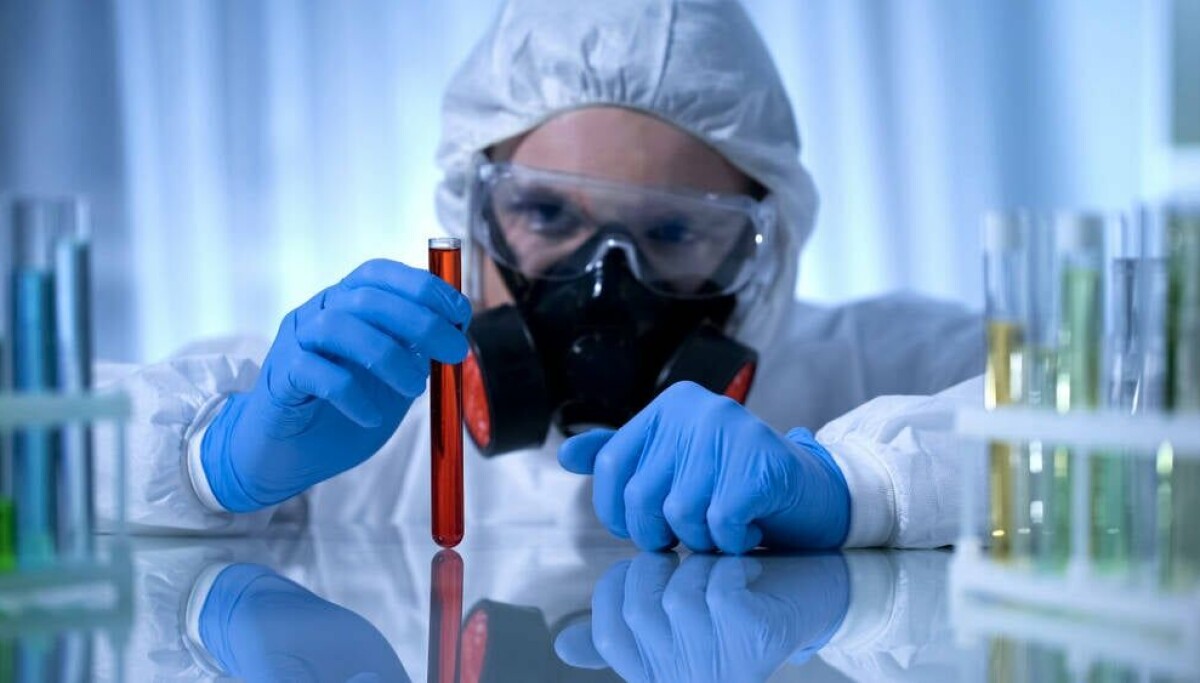
AI leaders warn frontier models and synthetic DNA could lower bioweapons development barriers
Scientists and industry leaders push for mandatory DNA synthesis screening
 theregister.com·1mo ago
‘Beautiful blobs’: synthetic life a step closer as scientists make cells using lab-made DNA
Tiny, quivering spheres designed to feed and multiply raise prospect of artificial organisms to make drugs, food and fuel Researchers claim
Comments
Sign in to join the conversation.
No comments yet. Be the first.