
























Blown Away by the Winds of NGC 4151
New observations from the X-Ray Imaging and Spectroscopy Mission (XRISM) show the multilayered winds of NGC 4151 in a whole new light. The post Blown Away by the Winds of NGC 4151 appeared first on…
Read the full articleYou might also wanna read

XMM-Newton and Chandra data reveal Milky Way's outer spiral arms are 10% farther than previously thought
The European Space Agency’s XMM-Newton and NASA’s Chandra X-ray space telescopes have spotted the aftermath of three bright explosions echoi
XMM-Newton and Chandra data reveal Milky Way's outer spiral arms are 10% farther than previously thought
The European Space Agency’s XMM-Newton and NASA’s Chandra X-ray space telescopes have spotted the aftermath of three bright explosions echoi
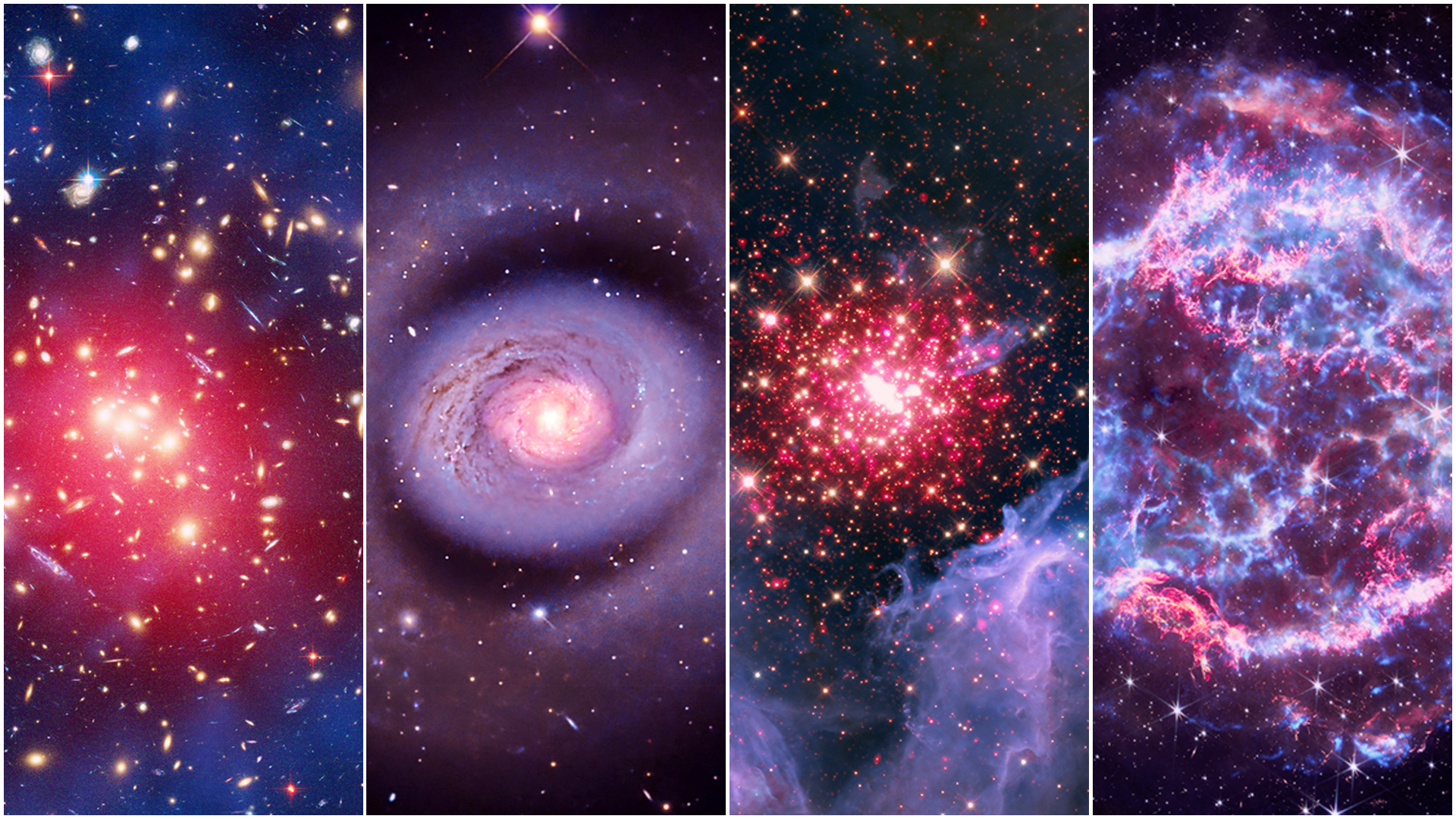
NASA's Chandra X-ray Observatory releases red, white and blue cosmic images for America's 250th anniversary
NASA's Chandra X-ray observatory, Hubble Space Telescope and James Webb Space Telescope teamed up to produce these gorgeous cosmic fireworks
 Space·8d ago
NASA's Chandra X-ray Observatory releases red, white and blue cosmic images for America's 250th anniversary
NASA's Chandra X-ray observatory, Hubble Space Telescope and James Webb Space Telescope teamed up to produce these gorgeous cosmic fireworks
space.com·8d agoSpectroscopic Classification of ASASSN-25cm as a Classical Nova
Original link submitted from IFL Science: Comments URL: Points: 12 # Comments: 1

VLT Study Reveals Dramatic Nickel Emission and CN Outgassing in Interstellar Comet 3I/ATLAS
We report VLT spectroscopy of the interstellar comet 3I/ATLAS (C/2025 N1) from $r_{\rm h}\!\simeq\!4.4$ to $2.85$ au using X-shooter (300-55
 arxiv.org·10mo ago
Chandra Observatory reveals surprising X-ray brightness variations in supernova remnants of galaxy M83
This graphic shows two of the X-ray sources in a nearby galaxy that are changing their brightness in surprising ways as described in our lat
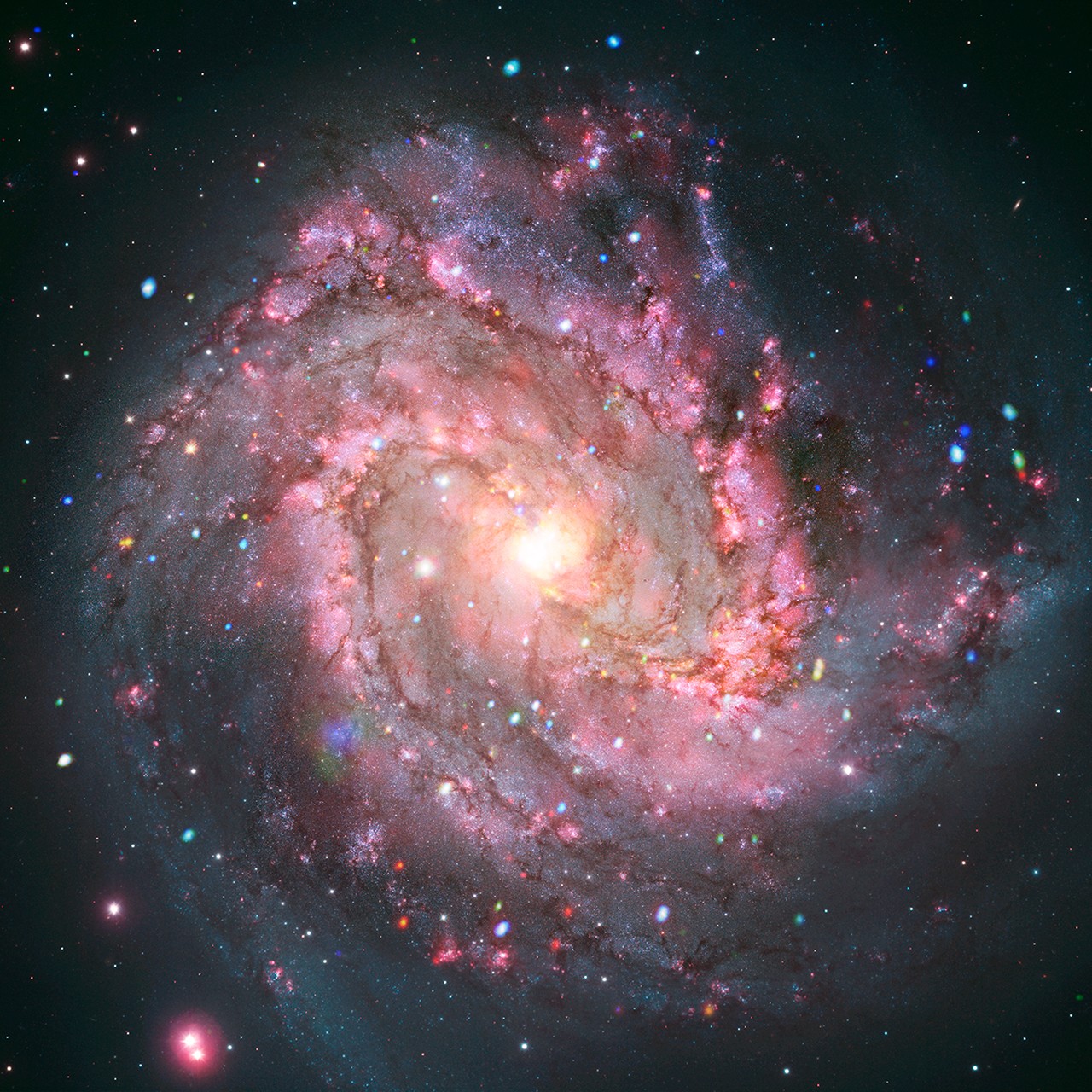
NASA's Chandra Observatory Discovers Unexpected Brightness Changes in Supernova Remnants in Galaxy M83
Over a 14-year period from 2000 to 2014, astronomers pointed NASA’s X-ray observatory at the M83 galaxy. They discovered that about half of
 science.nasa.gov·20d ago
Comments
Sign in to join the conversation.
No comments yet. Be the first.