
























Why summer feels shorter as an adult: The neuroscience of time perception and memory
This article explores the psychological and neurological reasons why time perception changes as we age, specifically focusing on why summer felt endless in childhood but flies by in adulthood. It explains that the brain's "filing system" processes new experiences with more detail, creating denser memories that make time feel longer. As adults, routines and familiarity cause the brain to compress experiences, making time seem to pass faster. The piece draws on cognitive science, memory research, and the concept of "novelty encoding" to explain this universal phenomenon.
Key quotes
Do you remember the last day of school before summer break? The clock ticking down to the end of the day, and then that wild, wonderful feeling of freedom?
Cut to summers in adulthood, where you blink and suddenly there are Halloween decorations up.
Blame your brain's filing system.
From the article
You might also wanna read


Logarithmic Time Perception: Why Years Feel Shorter as We Age
The article presents the 'Logtime' hypothesis, which explains why time appears to pass more quickly as we age. The theory proposes that our
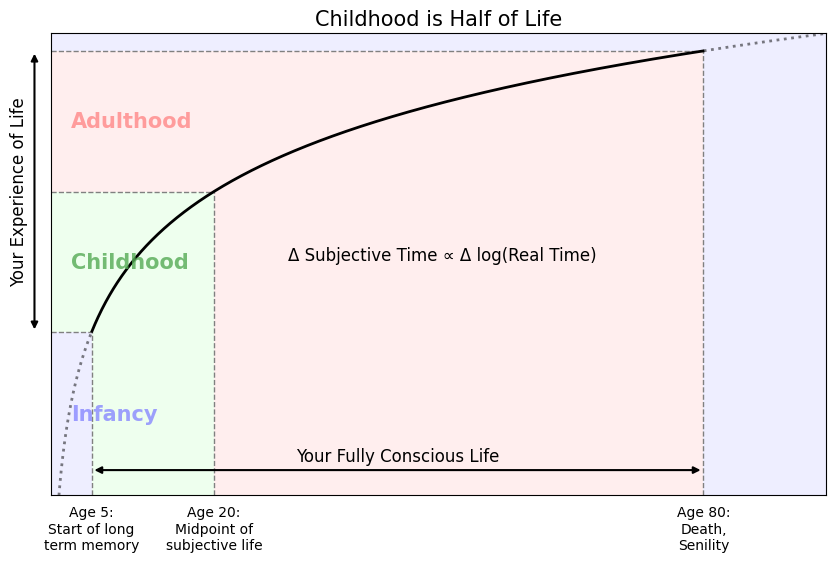
The Logarithmic Perception of Time: How Childhood Dominates Our Subjective Life Experience
The article explores the subjective experience of time across different life stages, proposing that we perceive time logarithmically rather
 moultano.wordpress.com·6mo ago
Neuroscientists shed light on the illusion of learning from short videos
How approaching sounds can warp your perception of time

Neuroscience Research Reveals How the Brain Creates and Remembers 'Aha' Moments
Neuroscientists have discovered how the brain produces 'aha' moments or insights, revealing that these sudden realizations involve specific
 quantamagazine.org·7mo ago
A Newsletter Author Reflects on Time Speeding Up in Midlife
A personal reflection from the author of a newsletter (now on edition 646) about the subjective experience of time speeding up as one ages.
 libertyrpf.com·13d ago
Comments
Sign in to join the conversation.
No comments yet. Be the first.