
























Intel vs AMD: Why Intel's Platform Handles USB Onboard Audio Codecs More Effectively
This article compares Intel and AMD platforms in handling USB-based onboard audio codecs. The author argues that Intel's architecture, particularly its Azalia high-definition audio bus introduced in the early 2000s, provides better support for USB audio codecs compared to AMD's platform. The piece highlights how motherboard designers handle audio implementation differently between the two platforms, with Intel offering more consistent and lower-latency audio processing. The article builds on a previous editorial about hardware-accelerated audio in Windows 11 and DPC latency issues.
Key quotes
The Intel 'Azalia' high-definition audio (HDA) bus, introduced in the early-2000s, laid the foundation for high-quality onboard audio, offering cons
Back in March, I wrote a detailed editorial on how hardware-accelerated audio is possible in Windows 11, and it's possible for sound card manufacturers to put native audio stack processing on the card to overcome issues with DPC latency spikes
From the article
You might also wanna read


The memory shortage is hitting PC sales hard, but vendor revenues are still growing at the expense of consumers
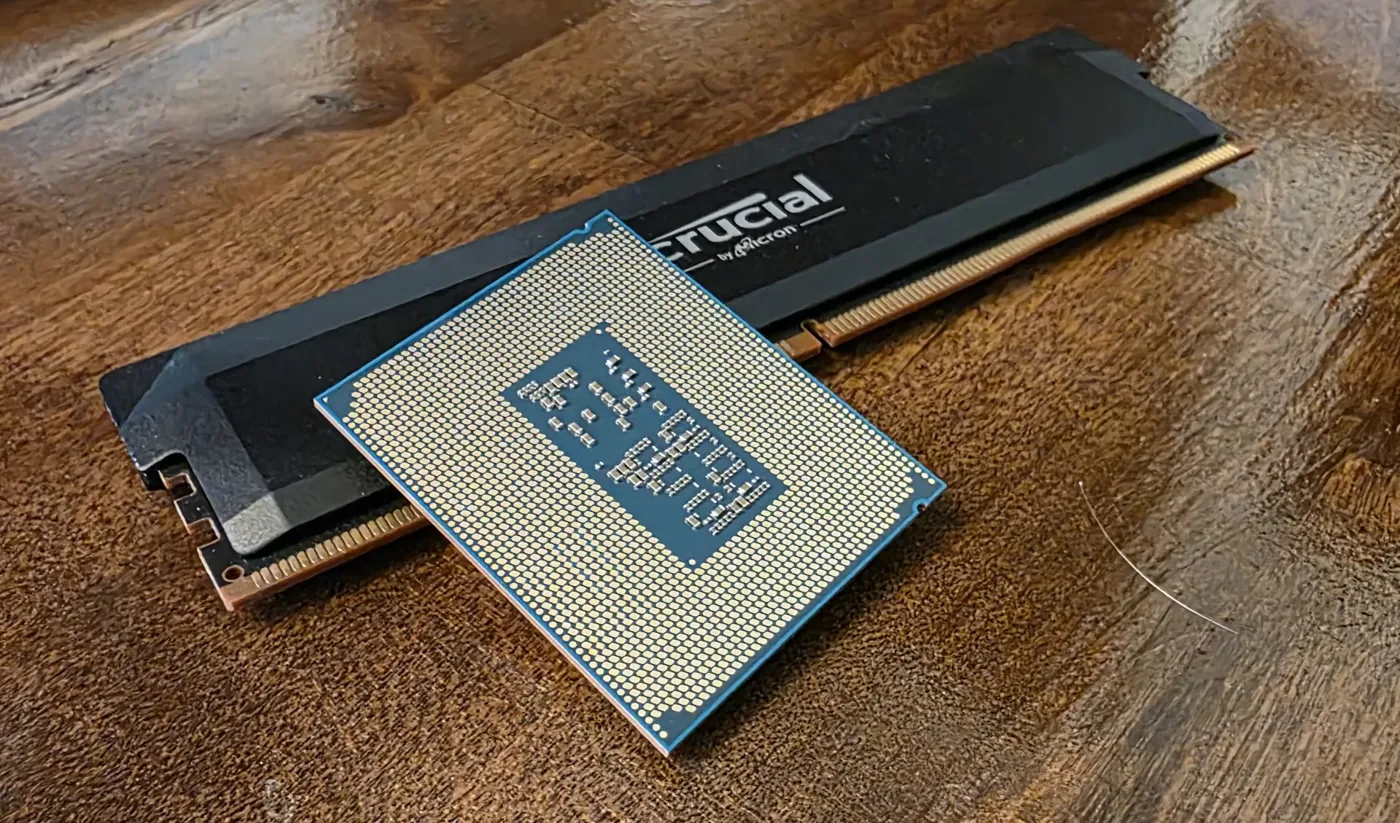
Single vs. Dual Channel DDR5 Memory Benchmarks on Intel Core Ultra 7 270K Plus
This article benchmarks single versus dual channel DDR5 memory performance on an Intel Core Ultra 7 270K Plus "Arrow Lake" desktop system. T
 phoronix.com·1d ago
Apple to produce Made in America wireless chips with Broadcom

EnGenius ECW515 review: EnGenius brings Wi-Fi 7 services to a wall near you – at a price
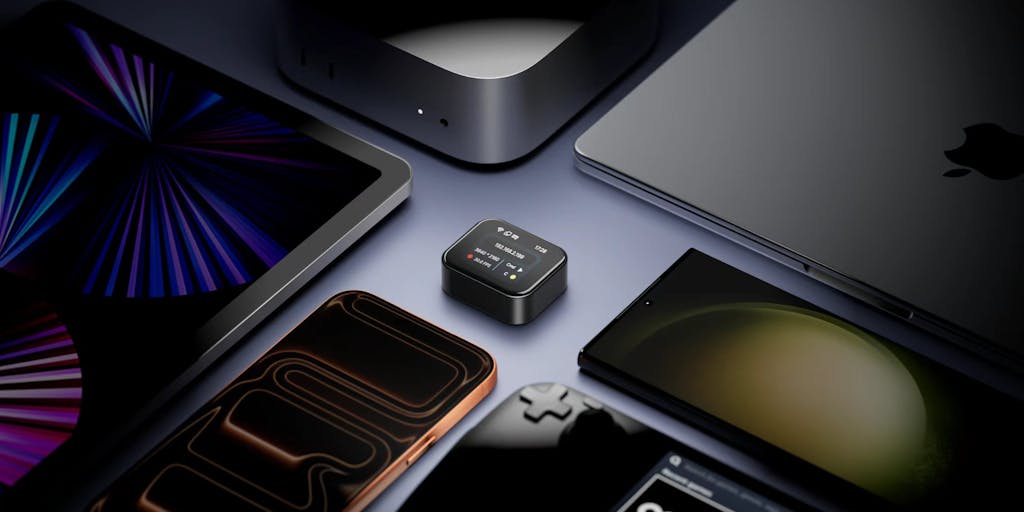
NanoKVM-Go: A tiny hardware KVM that gives AI agents physical control over connected devices
NanoKVM-Go is a tiny, watch-sized 4K USB-C KVM device that provides hardware-level control over a connected computer through a single USB-C
 Product Hunt·1d ago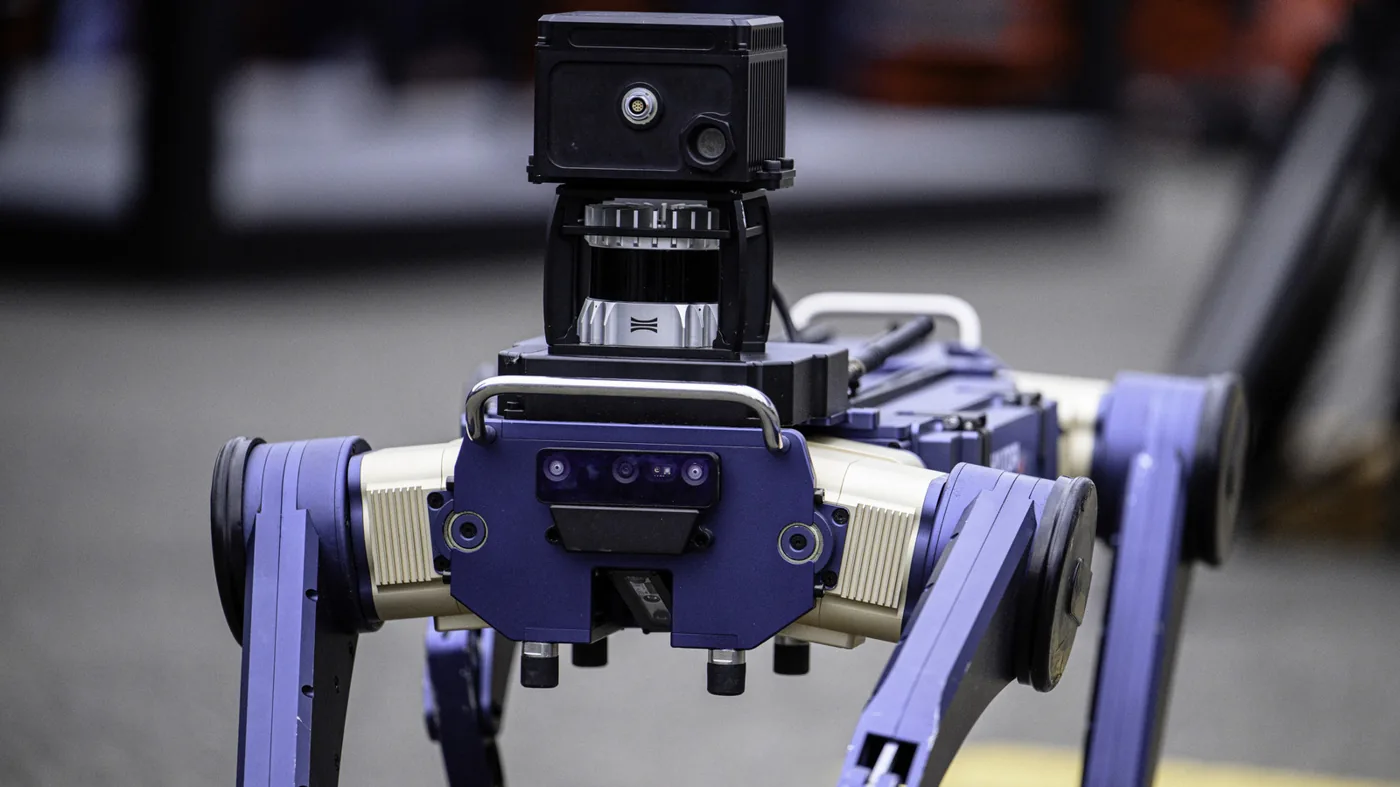
Ouster's New 3D LiDAR Sensor Adds Color Vision for Robots
This article covers Ouster's new 3D LiDAR sensor that provides human-like color vision to robots. Unlike traditional LiDAR which only captur
 bgr.com·1d ago
Comments
Sign in to join the conversation.
No comments yet. Be the first.