
























Big bees have the most to lose as global CO₂ levels rise: new research
Research shows rising CO₂ levels hit large-bodied bees hardest, shrinking their populations & genetic diversity while smaller pollinators may benefit. This threatens crucial ecosystem pollination…
Read the full articleYou might also wanna read


Prioritizing pollinators over climate change?
Facing both climate change and a crashing pollinator population, plants may be evolving to attract pollinators rather than adapting to a war
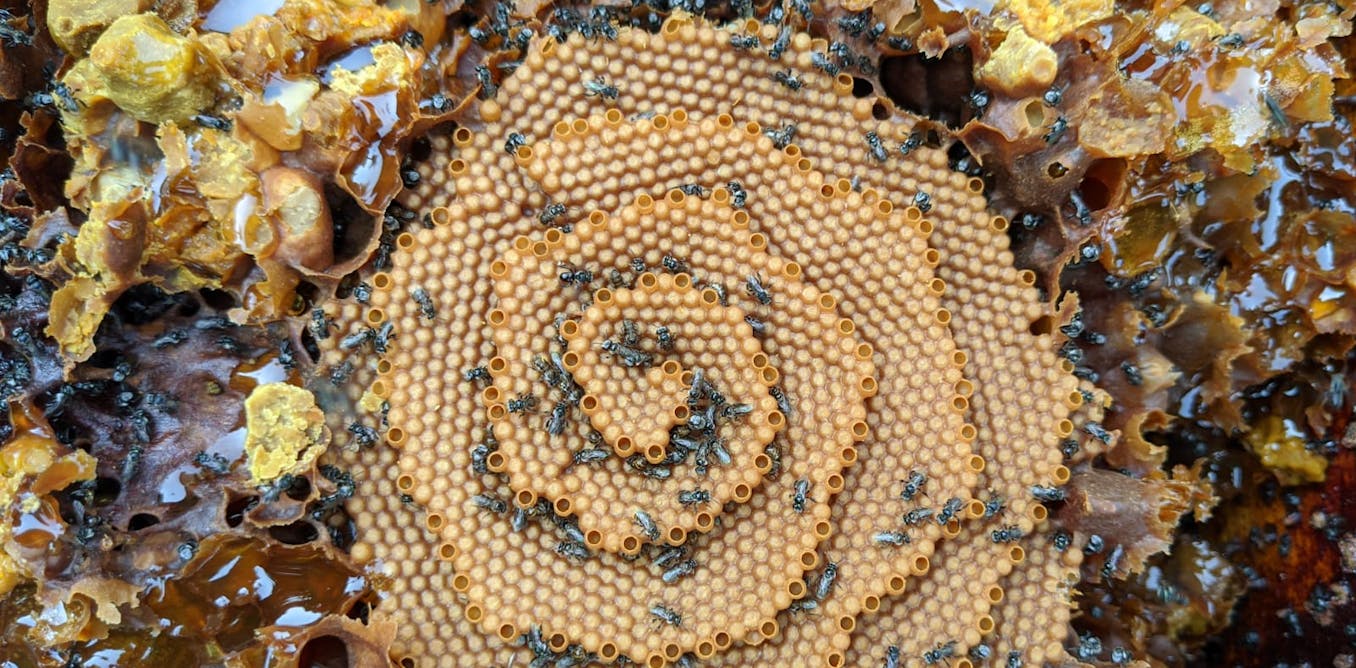
Study: Native Australian bees' climate change resilience depends on nest type
Surprisingly, the species that are the most tolerant to heat, are also the most vulnerable to future warming.
 theconversation.com·1mo ago
Bee declines threaten global nutrition and human health, research shows
Crops and flowers rely on them for survival, but wild bees are declining – and crucial nutrients will go missing from our diets as a result
 theguardian.com·1mo ago
This common pesticide may be quietly wiping out future bumblebees
A next-generation pesticide designed to kill crop pests may also be interfering with the reproductive health of bumblebees. Researchers disc
Community Composition and Abundance of Wild Bees at Row Crop–Grassland Interfaces in West Central Nebraska
Perennial mixed forb and grassland habitats are crucial to conservation of pollinators and connectivity of habitats in intensely farmed land

Global Insect Population Decline Threatens Food Security and Ecosystems
Insect populations are in steep decline, which could endanger the food supply. But there are things we can do to reverse the trend.
 livescience.com·7mo ago
Comments
Sign in to join the conversation.
No comments yet. Be the first.