
























Scientists confirm Benjamin Franklin's sophisticated anti-counterfeiting techniques for colonial paper money
By
Joshua Rapp Learn
Summary
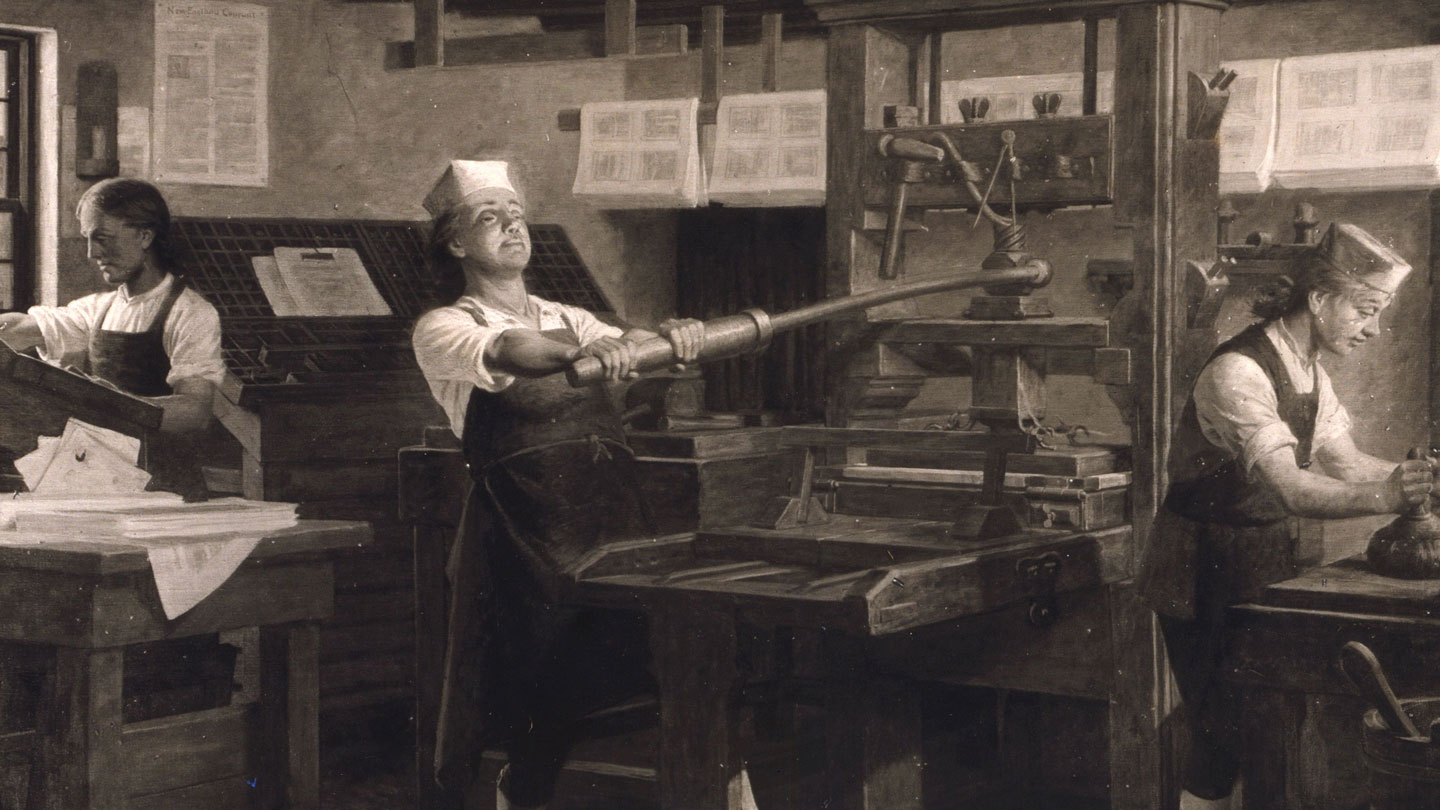
Scientists at the University of Notre Dame are confirming sophisticated anti-counterfeiting techniques used by Benjamin Franklin in his printing business, which produced paper money for the American colonies. Franklin's bills included innovations like adding reflective minerals (such as muscovite) to paper, using distinctive printed patterns, and employing complex nature-printed leaf impressions — methods that were highly advanced for the 18th century and helped early American paper currency succeed against counterfeiters.
Source
 Twitter / XScientists confirm Benjamin Franklin's sophisticated anti-counterfeiting techniques for colonial paper moneysciencenews.org
Key quotes
· 1 pulledFranklin's bills 'served as an archetype for printed money' to come, says Khachatur Manukyan, a physical chemist at the University of Notre Dame in Indiana. 'It was very sophisticated for that time.'
You might also wanna read
We analyzed paper money printed by Ben Franklin to uncover his anti‑counterfeiting techniques and materials innovations


How counterfeit money helped build early America's economy
Stephen Mihm's "A Nation of Counterfeiters" explores how counterfeit money played a surprisingly constructive role in early American economi
 mail.blockworks.com·29d ago
The Story of Money: Counterfeiting in 19th-century America and parallels to cryptocurrency
This podcast episode from The Story of Money explores 19th-century frontier America where almost anyone could print their own money. It focu
 podcasts.apple.com·28d ago
The Automation of Cash: How Physical Currency Becomes Electronic Proxy
The article explores the declining use of cash in the United States and other countries as electronic payments dominate everyday commerce. I
 computer.rip·4mo ago
Comments
Sign in to join the conversation.
No comments yet. Be the first.