
























How to use your home's coaxial cable ports to build a faster wired network
By
Monica J. White
Summary
This article explains how homeowners can use existing Ethernet ports (often hidden behind wall plates in rooms where cable TV was installed) to create a wired home network that is faster and more reliable than Wi-Fi. It covers the basics of MoCA (Multimedia over Coax Alliance) adapters, Ethernet over Coax, and Powerline adapters, comparing their performance and use cases. The piece guides readers through identifying coaxial wall ports, choosing the right adapters, and setting up a wired backbone for their home network — especially useful for streaming, gaming, and working from home.
Source
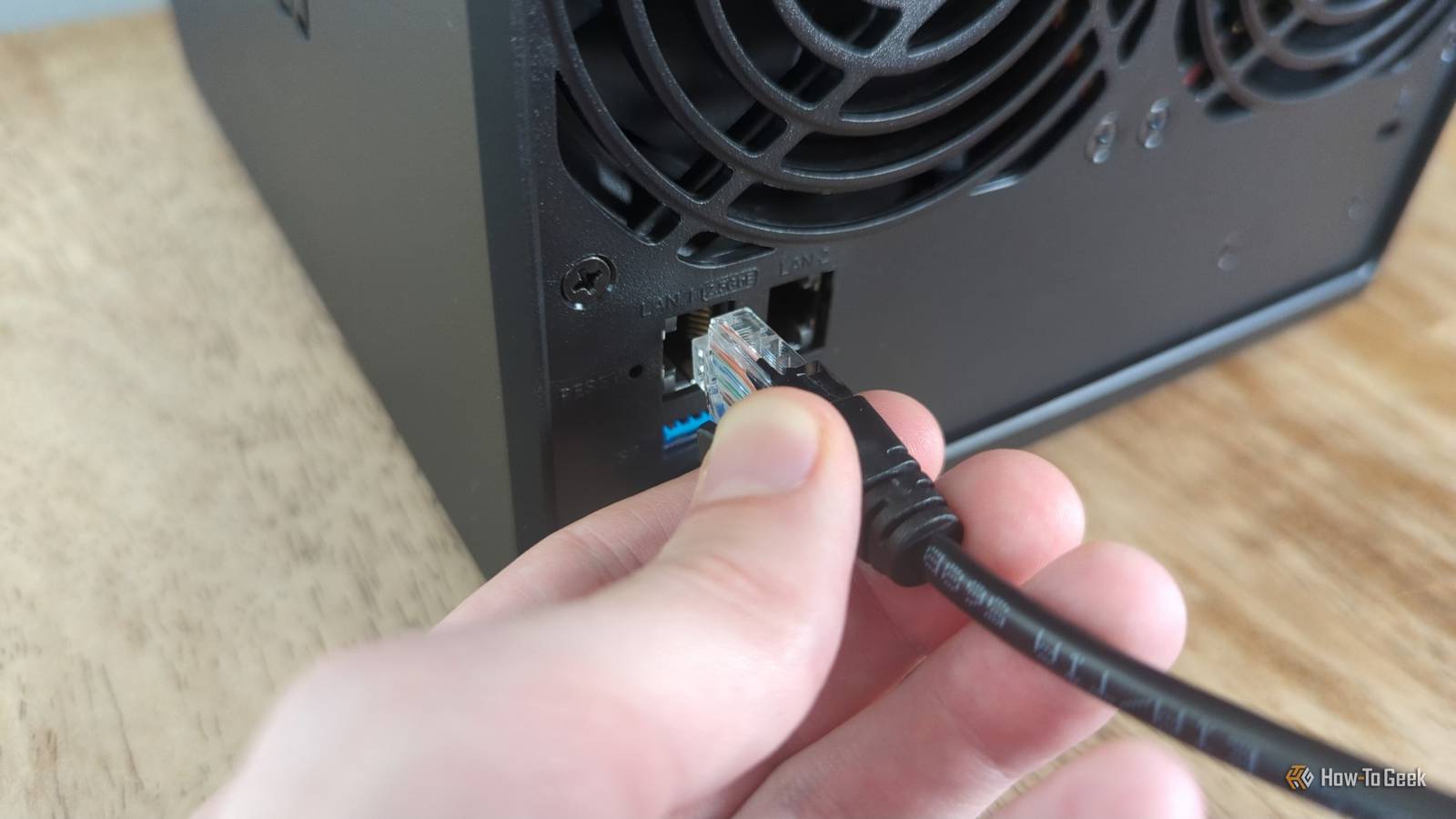
 bskyHow to use your home's coaxial cable ports to build a faster wired networkift.tt
Key quotes
· 3 pulledIf your home has one of these, you might as well make the most of it
A wired connection is almost always going to be faster and more reliable than Wi-Fi
MoCA adapters can deliver gigabit speeds over existing coaxial cables, making them an excellent choice for whole-home wired networking without running new cables
You might also wanna read

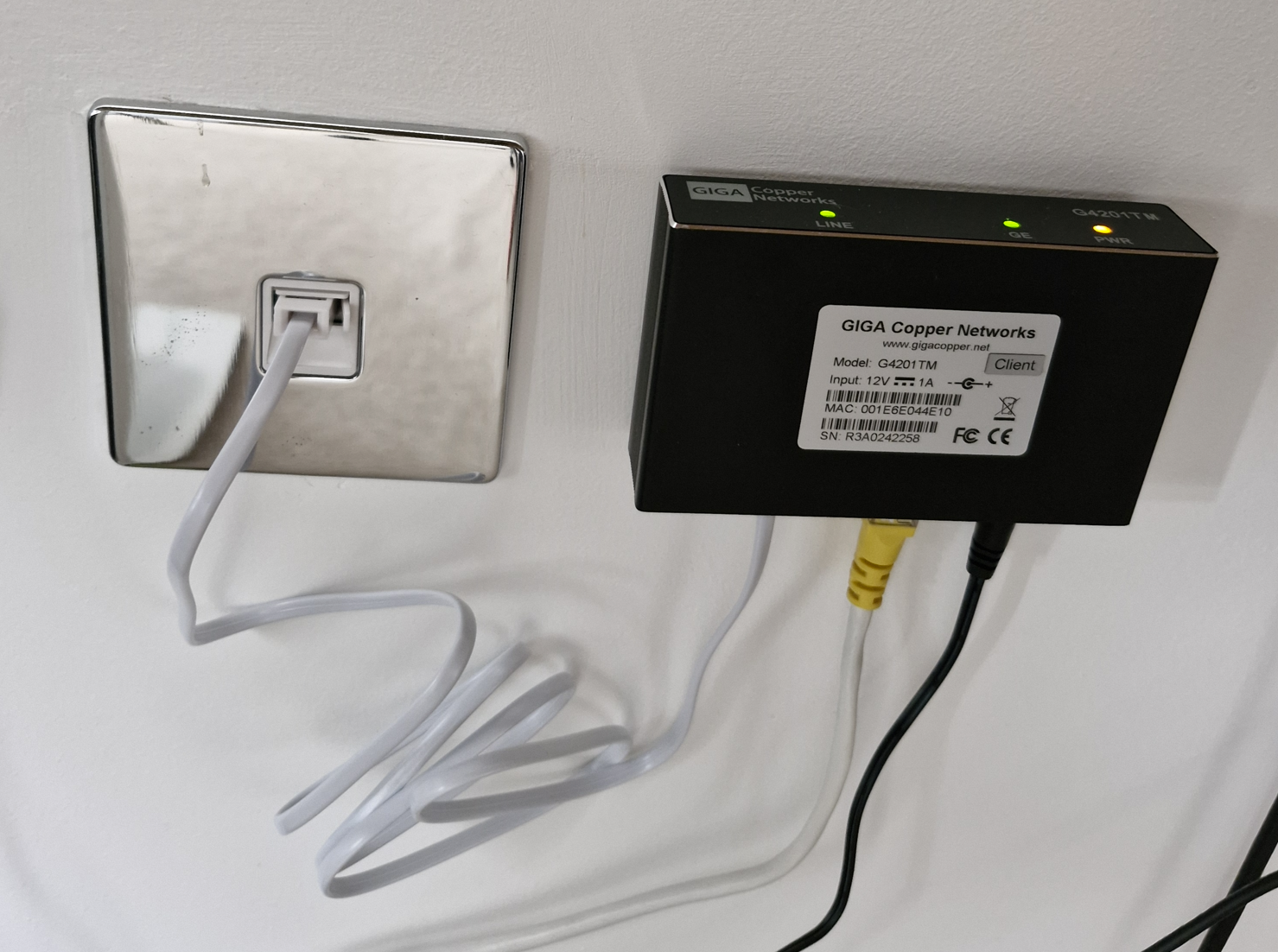
Achieving Gigabit Ethernet Over Existing British Phone Wires: A Personal Networking Journey
The author shares their personal experience with networking solutions, detailing their journey from using powerline adapters to discovering
 thehftguy.com·5mo ago
DIY Guide: Building a Bonded Internet Connection System Using AI Tools
This article presents a DIY guide for creating a bonded internet connection system using AI tools (Claude AI + Cursor) to solve unreliable h

Network Architecture: Using VXLAN Inside WireGuard for Site-to-Site Overlay Networks
The article discusses network architecture recommendations for site-to-site overlay networks, specifically addressing whether to use VXLAN o
 news.ycombinator.com·5mo ago
Why Your Home Internet Matters More Than Your Home Theater Gear for Streaming Quality
 Rolling Stone·15d ago
Xfinity using WiFi signals in your house to detect motion

Switching from Marvell to Broadcom SFP+ module resolves 10Gb/s Ethernet overheating issue
The author upgraded their home LAN to 10Gb/s using CAT-6 cabling and 10GBASE-T SFP+ modules. One of their Marvell-based SFP+ modules in the
 gilesthomas.com·9d ago
Comments
Sign in to join the conversation.
No comments yet. Be the first.