
























Barnard Crater, Mars: Evidence of Glaciofluvial Activity in a Large, High-Latitude Impact Crater in Southern Hellas
Daniel C. Berman et al 2025 Planet. Sci. J. 6 234 Barnard Crater on Mars appears to have formed about 3.8 billion years ago and shows signs of sustained periods of infill, resulting in an infilled…
Read the full articleYou might also wanna read

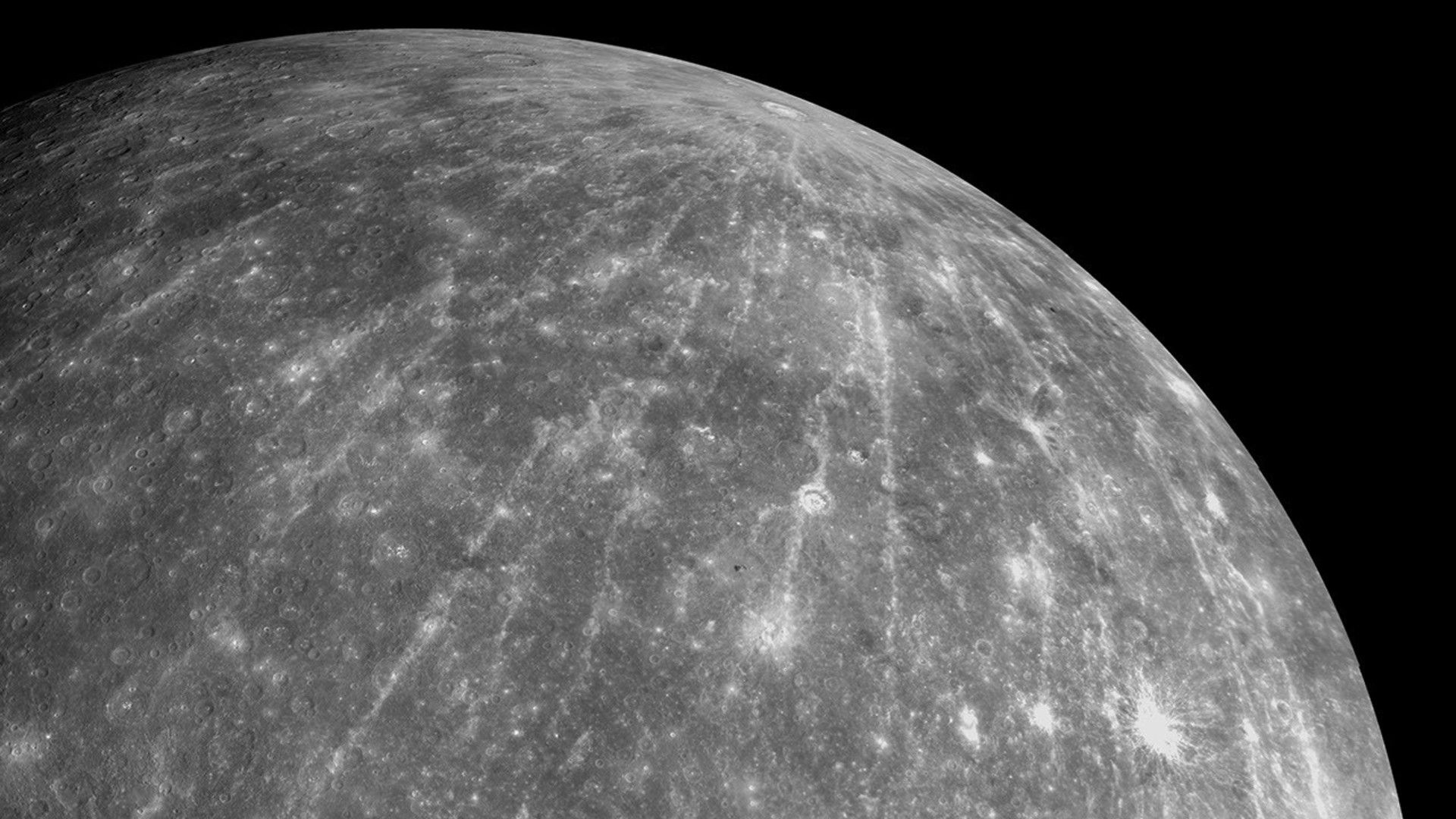
Study suggests single asteroid impact delivered Mercury's water ice in one Mercurian day
New findings suggest Mercury's ice was deposited rapidly rather than supplied gradually over long periods of time.
 space.com·1mo ago
Study Quantifies Impact-Generated Crustal Permeability on the Early Earth
Vast permeable regions were generated in the upper crust by impact-generated fracturing in the Hadean and Archean The volume of impact-induc
 agupubs.onlinelibrary.wiley.com·28d ago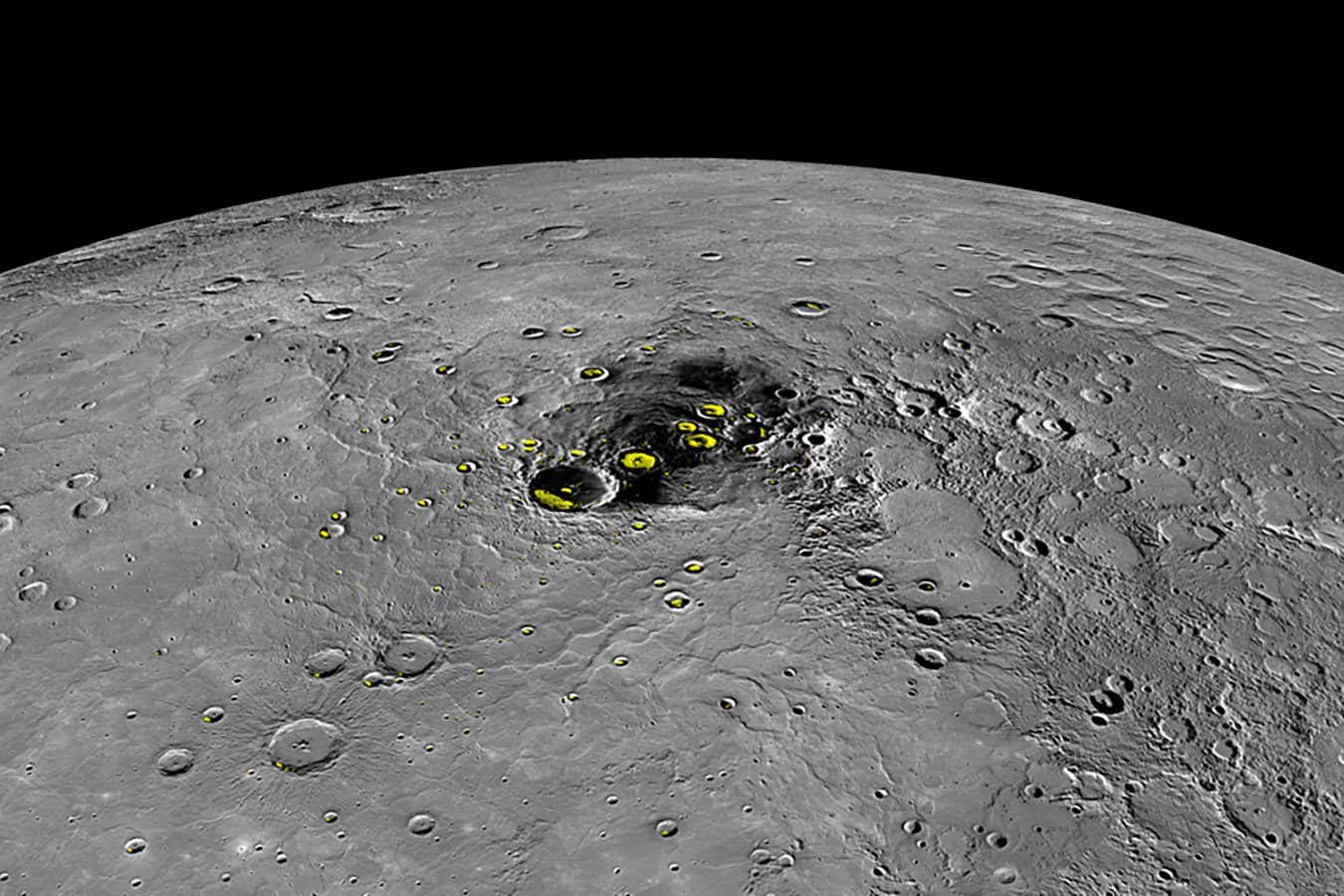
How Mercury's polar ice deposits may have formed in a single day 100 million years ago
Despite being the closest planet to the sun, Mercury has thick deposits of ice at its poles, and now we may understand the events that forme
 newscientist.com·1mo ago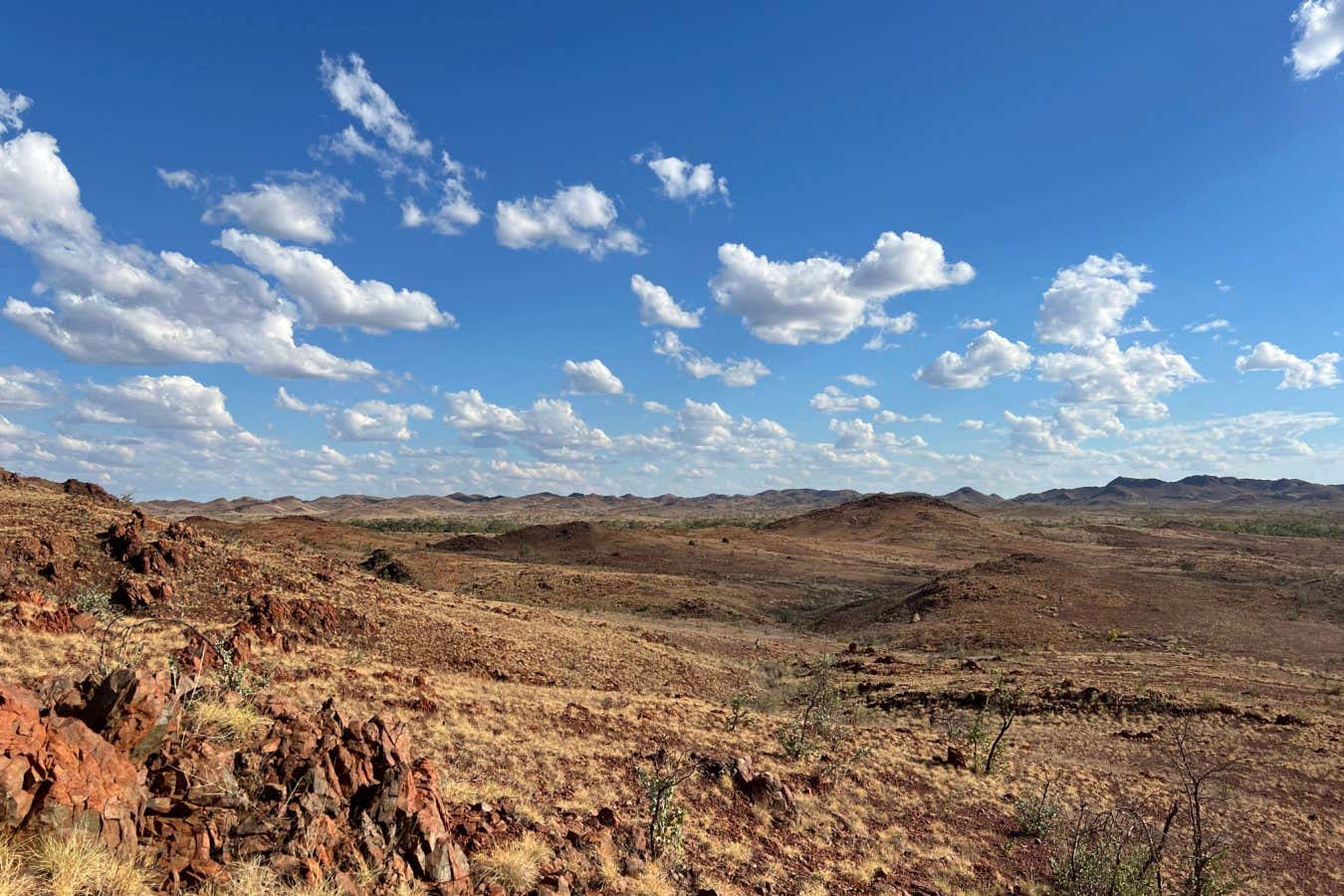
Study claims 3-billion-year-old Australian crater is Earth's oldest impact structure, but age disputed
A study claims that the North Pole Dome crater in Western Australia was caused by an asteroid strike 3 billion years ago, but other research
newscientist.com·13d ago
HiRISE Images New Equatorial Impact Crater on Mars Showing Possible Ice or Hydrothermally Altered Material
We’ve imaged thousands of new impact sites. These are locations with before and after images constraining when the impact happened. We are e
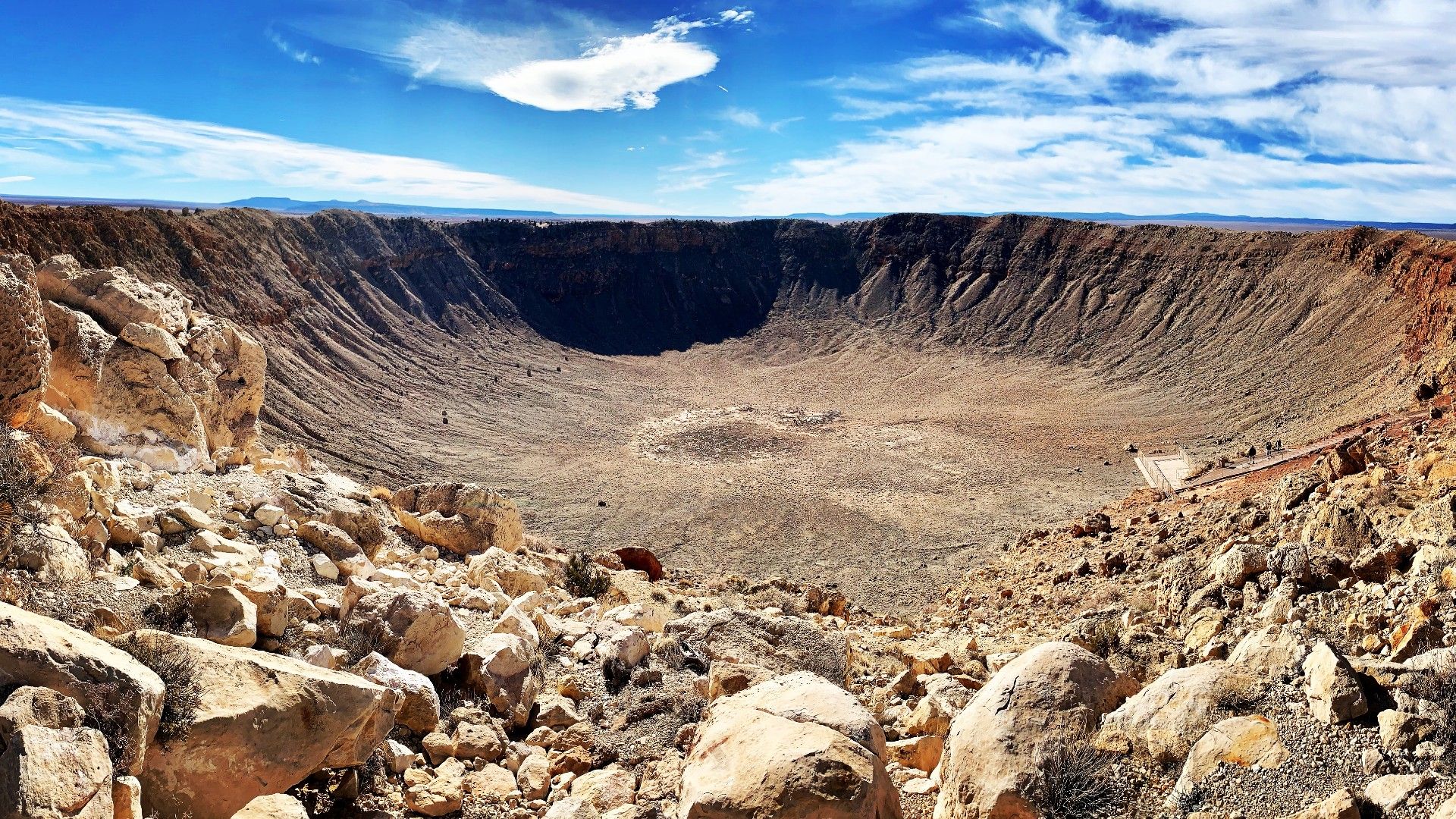
Arizona's Meteor Crater Continues to Reveal Scientific Insights 50,000 Years After Impact
"The crater is still providing new insights every year, so continued studies there are really important."
 space.com·3mo ago
Comments
Sign in to join the conversation.
No comments yet. Be the first.