
























EAEU Banks Impose 2-5% Fees on Cash Ruble Deposits Amid Influx From Russia
By
Cyril Barabaltchouk
Summary
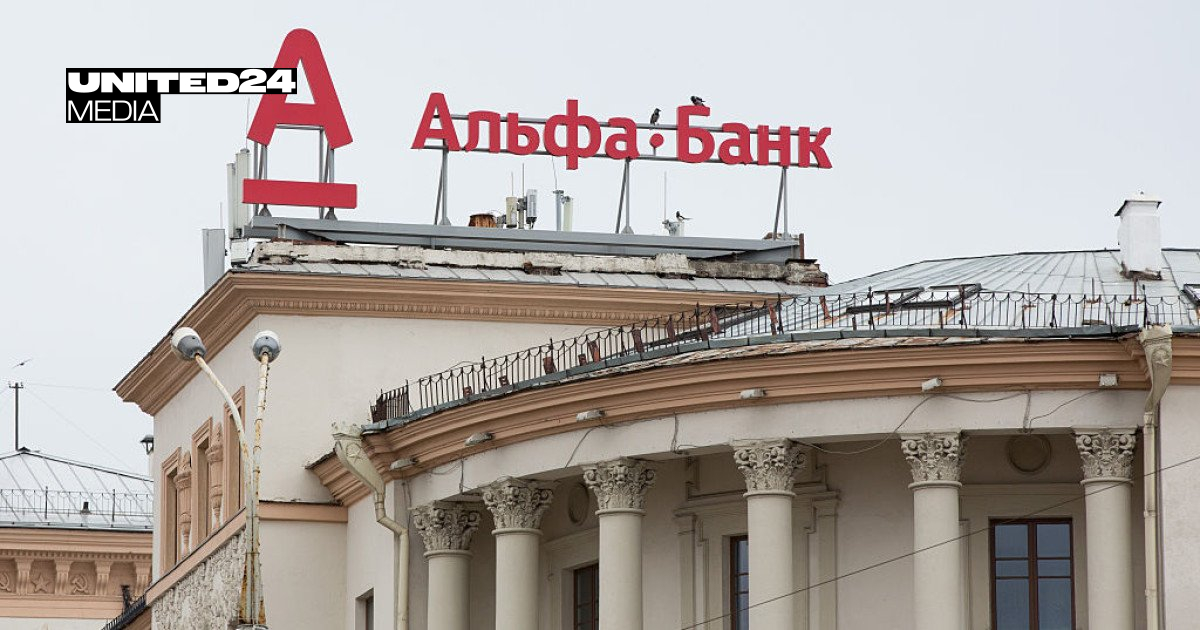
Banks in Eurasian Economic Union (EAEU) countries considered "friendly" to Russia—including Belarus, Kazakhstan, and Kyrgyzstan—have introduced steep commission fees (2% to 5%) on cash ruble deposits since June. This move comes amid a massive influx of Russian rubles and a total lack of foreign demand for the currency. At least eight Belarusian banks, along with Kazakhstan's CenterCredit and Kyrgyzstan's EcoIslamicBank, have implemented these fees on cash ruble transactions through desks, terminals, and ATMs.
Source
 bskyEAEU Banks Impose 2-5% Fees on Cash Ruble Deposits Amid Influx From Russiaunited24media.com
Key quotes
· 3 pulledBanks in countries 'friendly' to Russia within the Eurasian Economic Union (EAEU) have begun tightening conditions for depositing cash rubles into accounts since June
In Belarus, at least eight credit organizations—including Alfa-Bank, Belarusbank, BelVEB, BNB-Bank, MTBank, Sber Bank, Technobank, and Zepter Bank—introduced a commission of 2% to 5% for such transactions
In Kazakhstan, CenterCredit (BCC) also introduced a 5% fee for accepting cash through cash desks, terminals, and ATMs, while Kyrgyzstan's EcoIslamicBank established a similar rate for SWIFT
You might also wanna read

Russia to Legalize Bitcoin and Stablecoin Payments for Foreign Trade Starting July 2026
Russia is set to formally legalize Bitcoin and stablecoin payments for foreign trade starting July 1, 2026, completing a pilot that already
 russiaspivottoasia.com·6d ago
ECB Study: Digital Euro Could Drain 700 Billion Euros from Banks During Crisis
A European Central Bank simulation study reveals that a digital euro could potentially drain up to 700 billion euros ($810.88 billion) in de
 reuters.com·8mo ago
Europe Builds Pan-European Payment System to Reduce Dependence on Visa and Mastercard
The European Central Bank is pushing for a pan-European digital payment system to reduce dependence on non-European payment infrastructure l
 europeanbusinessmagazine.com·4mo ago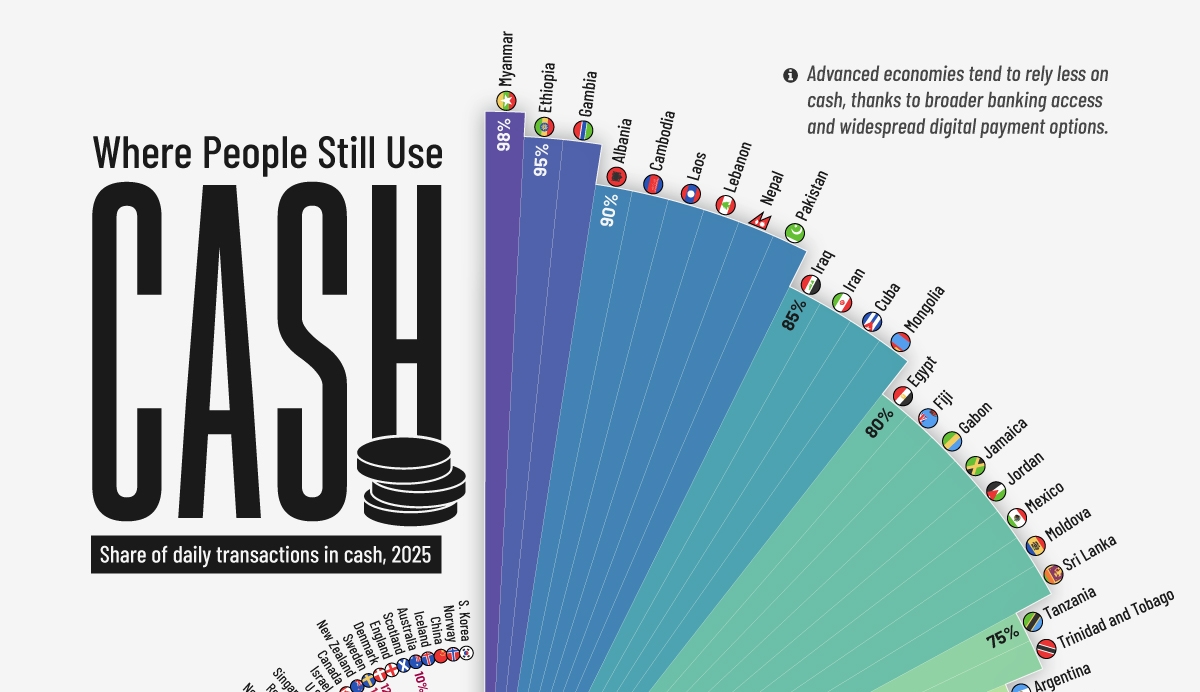
Global Cash Usage Patterns: Economic Development and Cultural Preferences
The article examines global cash usage patterns, revealing that the poorest countries like Myanmar (98%), Ethiopia (95%), and Gambia (95%) r
 voronoiapp.com·7mo ago
Comments
Sign in to join the conversation.
No comments yet. Be the first.