
























Balancing Low-Tech Mathematics with Computational Visualization
I’m a great believer in low-tech math. I don’t like to rely on things a computer tells me; what if there’s a bug in the code? I prefer trusting things that I can check for myself. At the same…
Read the full articleYou might also wanna read


Rethinking Tufte's data-to-ink ratio: When minimalism in data visualization goes too far
How much minimalism is too much minimalism? I explore this question and propose the most minimalist, highest scoring data-to-ink ratio on a
 frank.computer·1mo ago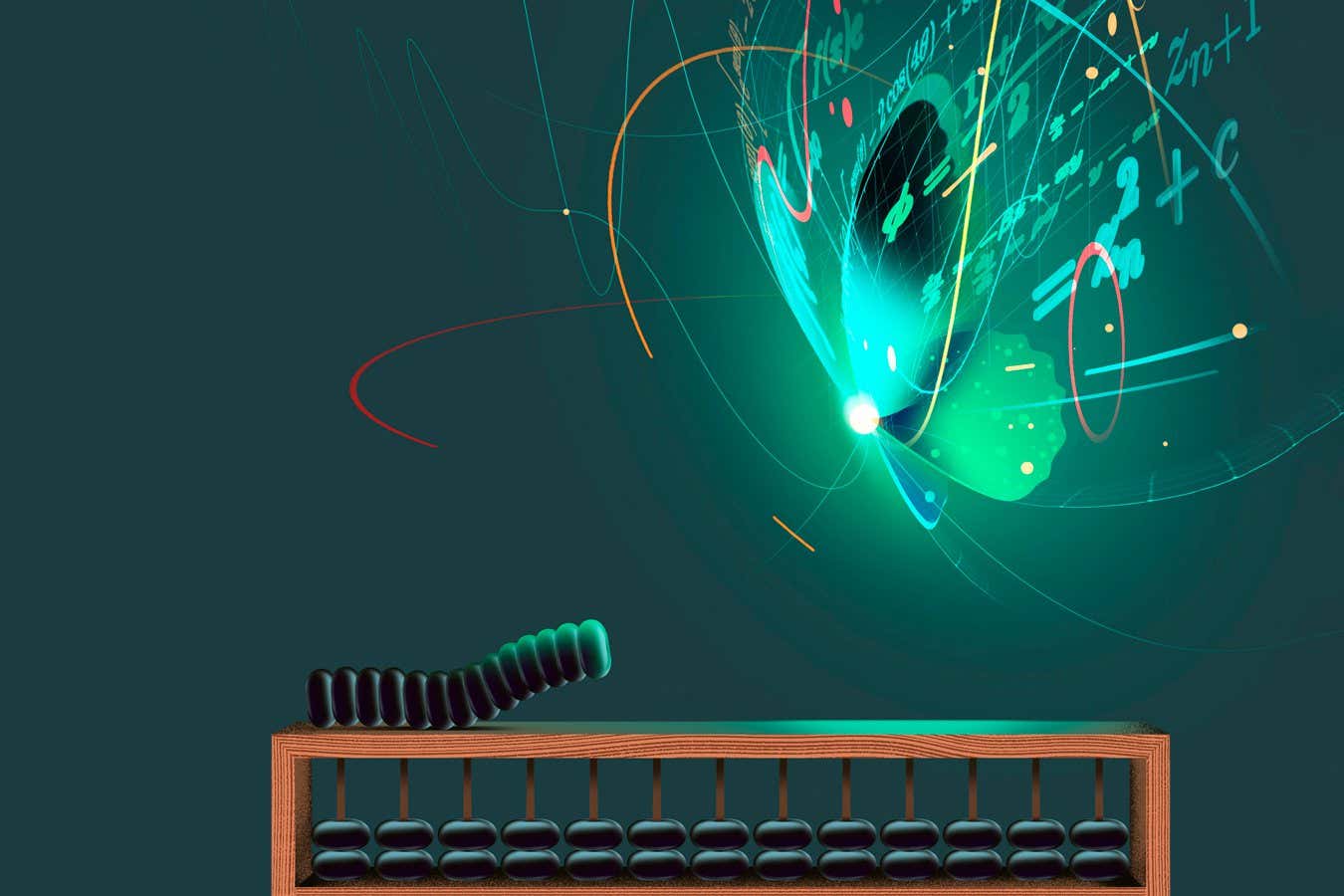
AI's rapid progress in solving advanced math problems sparks debate among mathematicians
Mathematicians are stunned at the progress AI is making in solving advanced problems, leaving some questioning whether there will still be r
 newscientist.com·1mo ago
MathCoPilot: An Interactive System for Human-AI Symbiotic Paradigm of Mathematical Research
arXiv:2607.14582v1 Announce Type: new Abstract: Existing LLM-based theorem provers have achieved impressive results on formal mathematics be
Why creativity and design matter more than technical skills in AI-powered education
As technical barriers fall, design, judgment, and imagination matter more for AI's role in learning and instructional technology.
 ecampusnews.com·21d ago
Distinguishing Human From Machine: High School Students’ Identification and Perception of AI Art
AI literacy education must address both technical understanding and students’ biases and understanding toward AI-generated creativity and ar

Teaching Computational Thinking to K-12 Students Without Computers
Teachers can help students recognize and practice computational thinking through a non-computer based design actvitiy.
 edut.to·22d ago
Comments
Sign in to join the conversation.
No comments yet. Be the first.