
























Astronomers believe the Milky Way may contain billions, perhaps even trillions, of rogue planets drifting without close stars — and a 2026 study found one 9,800 light-years away that was likely born in a planetary system before being thrown into the dark
It began as a two-day flicker. On 3 May 2024, a distant star in the direction of the galactic bulge brightened and faded, an event catalogued as KMT-2024-BLG-0792, also listed as OGLE-2024-BLG-0516…
Read the full articleYou might also wanna read

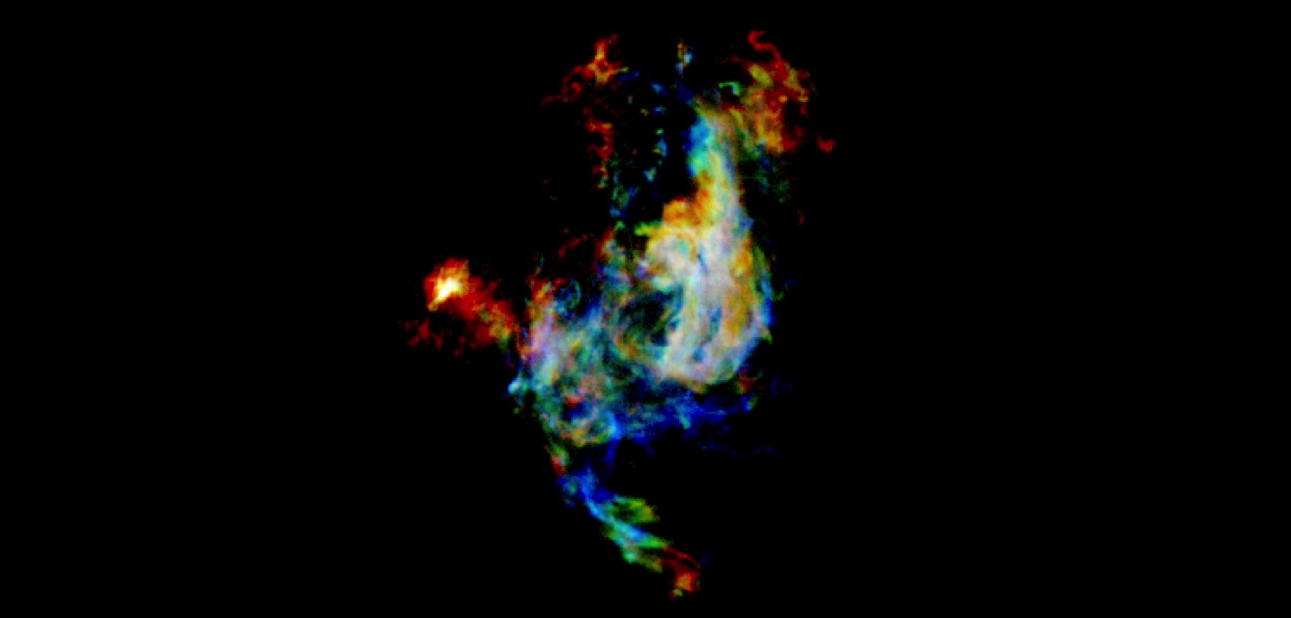
Spiral-Shaped Molecular Cloud Discovered 5,400 Light-Years Away in the Milky Way
A newly discovered molecular cloud in the Milky Way displays a surprising spiral structure.
 aasnova.org·17d ago
Spiral-Shaped Molecular Cloud Discovered 5,400 Light-Years Away in the Milky Way
A newly discovered molecular cloud in the Milky Way displays a surprising spiral structure.
AAS Nova·17d ago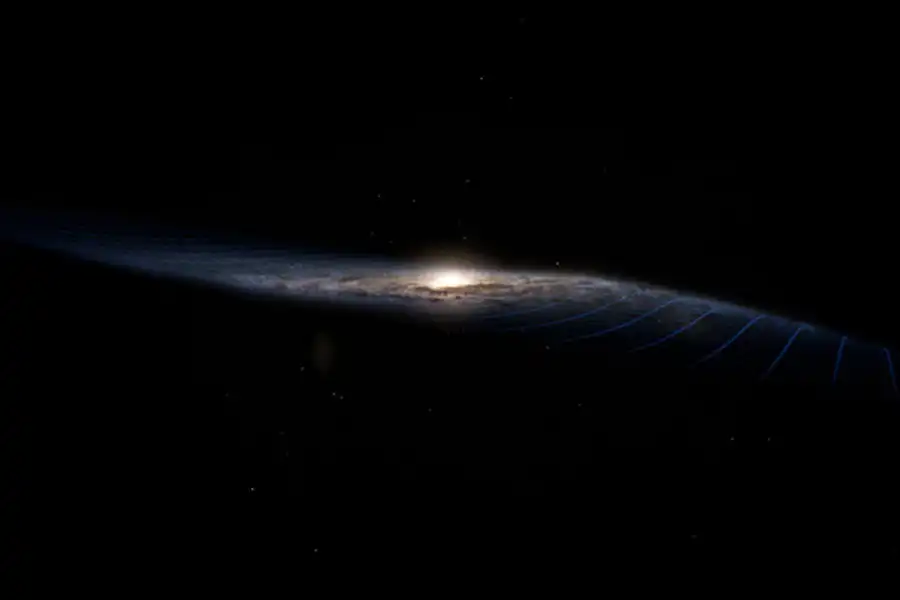
Astronomers Pinpoint Edge of Milky Way's Star-Forming Disk at 40,000 Light-Years
Astronomers have located the edge of the Milky Way’s star-forming disk, showing that it extends 40,000 light-years out from the center.
 skyandtelescope.org·2mo ago
'Astronomers have to revise estimates': The Milky Way may be larger, heavier and more lopsided than we realized
New measurements suggest that two of the Milky Way's spiral arms are around 10% farther away from Earth than we thought. The findings may re
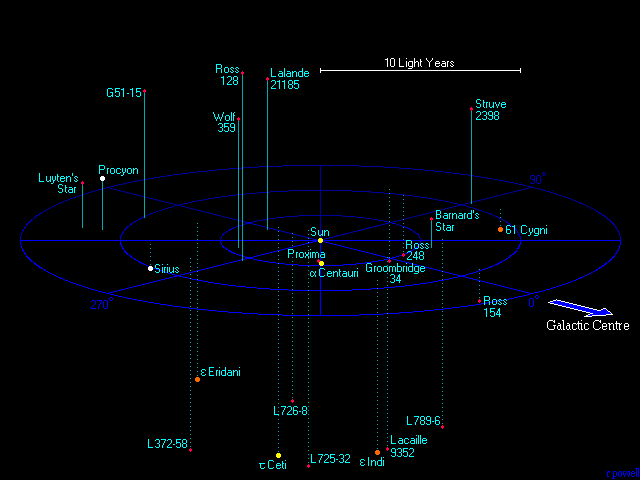
Astronomical Map of Star Systems Within 12.5 Light Years of the Sun
This map shows all the star systems that lie within 12.5 light years of our Sun. Most of the stars are red dwarfs - stars with a tenth of th
 atlasoftheuniverse.com·10mo ago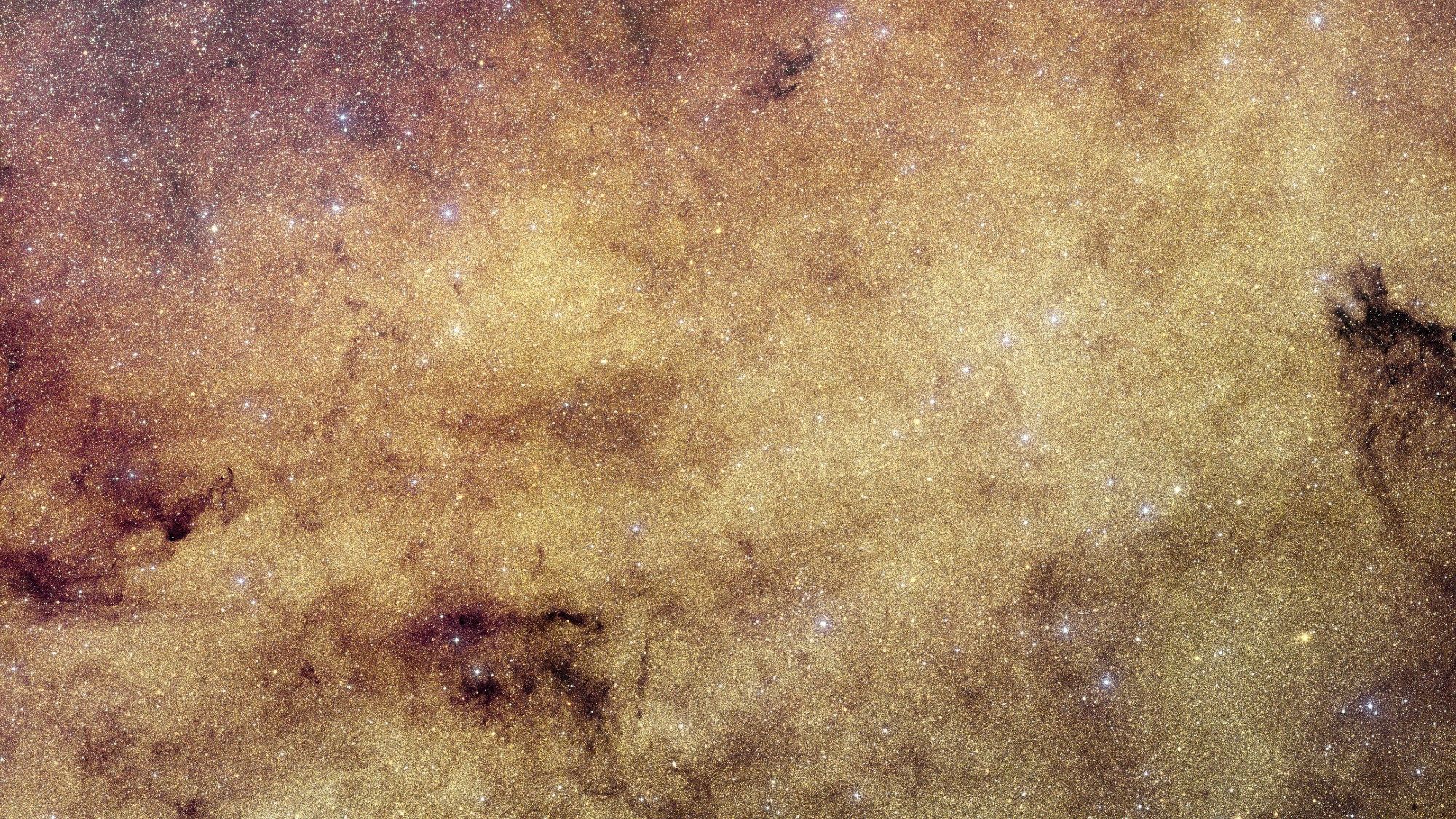
ESA's Euclid telescope captures largest, most detailed visible-light image of Milky Way's center with over 60 million stars
"This image from Euclid includes 51 known planetary systems – and it will assist in studying many more that will be found."
 space.com·15d ago
ESA's Euclid telescope captures largest, most detailed visible-light image of Milky Way's center with over 60 million stars
"This image from Euclid includes 51 known planetary systems – and it will assist in studying many more that will be found."
space.com·15d agoThe Fate of the Milky Way–Andromeda System: To Merge or Not?
Hao Wu et al 2026 ApJL 1001 L19 The ultimate fates of the Milky Way and its neighbor Andromeda remain uncertain, with proper motion measurem
Comments
Sign in to join the conversation.
No comments yet. Be the first.