
























Foreign journalists face heightened risks and ICE scrutiny entering US for 2026 World Cup
The day after Spanish-language journalist Estefany Rodríguez reported a story critical of Immigration and Customs Enforcement in March 2026, federal …
Read the full articleYou might also wanna read

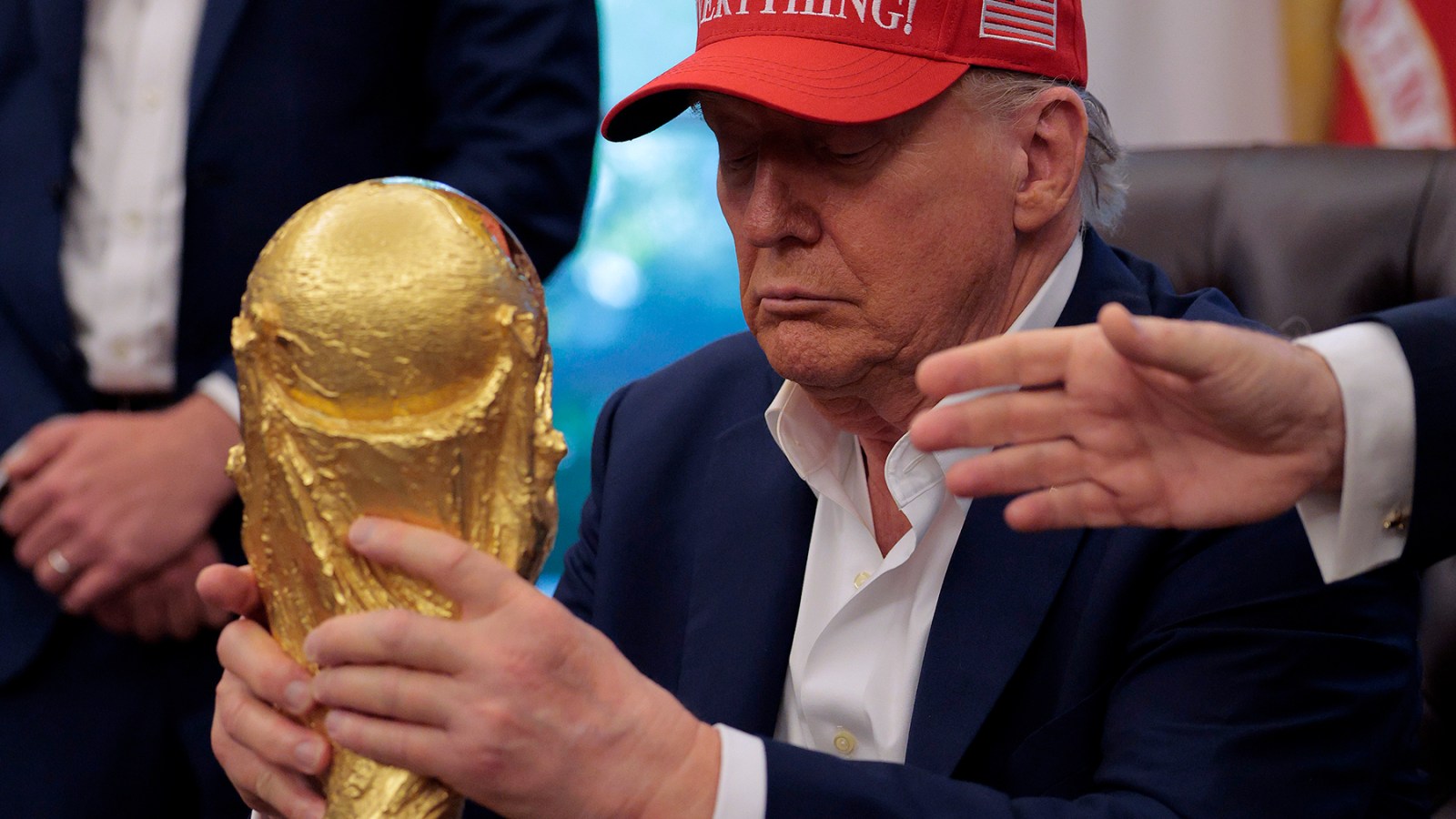
Travel Advisories Issued for 2026 World Cup Amid US Immigration Crackdown
World Cup nations and civil rights groups are issuing advisories about traveling to a United States that has been hostile to foreigners.
 Rolling Stone·2mo ago
FIFA World Cup 2026: In Trump’s America, nothing can be ruled out
Use burner phones. Beware of your social media. Have contingency plans. As thousands of reporters prepare to cover the FIFA World Cup, conce
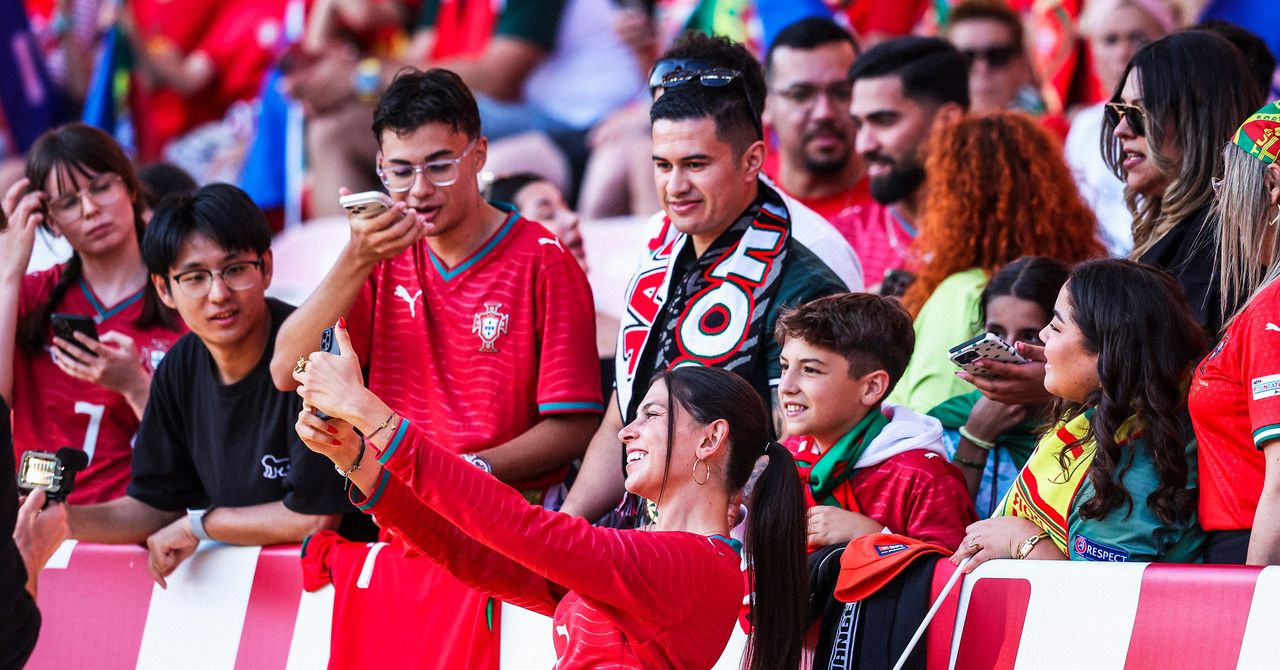
US Requires Work Visas for Foreign Influencers Monetizing Content at 2026 World Cup
FIFA announced agreements with platforms such as TikTok and YouTube that include the participation of dozens of international influencers to
 Wired·1mo ago
Shot, jailed, deported: Inside Trump’s crackdown on journalists
US journalists are being targeted like never before. Arrests, attacks, detentions. Threats and even deportations. This moment, they say, is
Labor Union Challenges ICE Presence Ahead of the 2026 FIFA World Cup
Written by: Aleksa Nunez The United States is preparing to co-host the 2026 FIFA World Cup this upcoming June. However, growing concerns hav

Mexico pursues criminal proceedings to seek justice for Mexicans who have died in ICE custody
Foreign Secretary Robert Velasco announced that criminal and civil proceedings will be initiated against the private companies that manage m
Comments
Sign in to join the conversation.
No comments yet. Be the first.