
























AI Deciphers Entire Herculaneum Scroll Buried by Vesuvius for the First Time
By
Vittoria Benzine
Summary
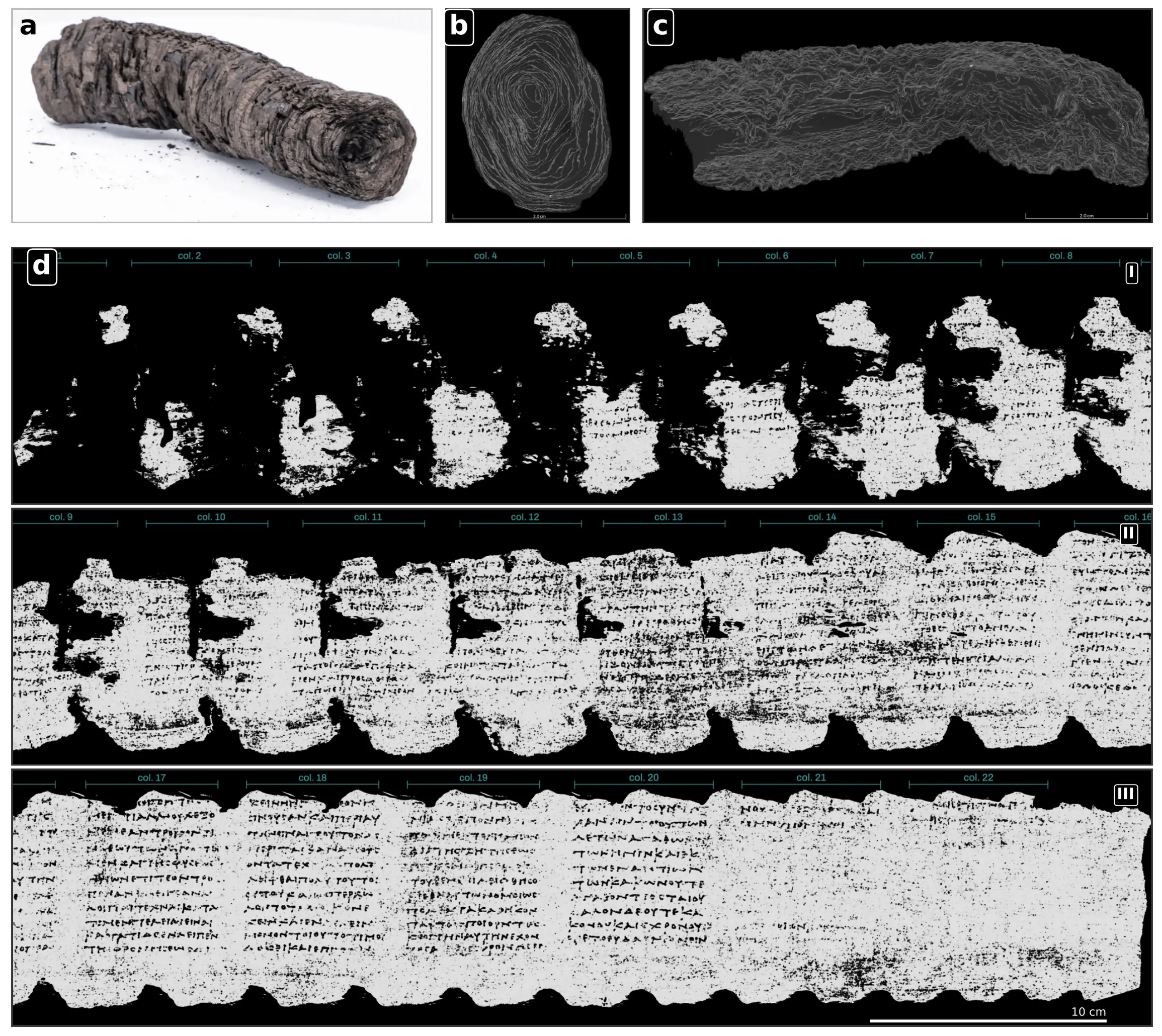
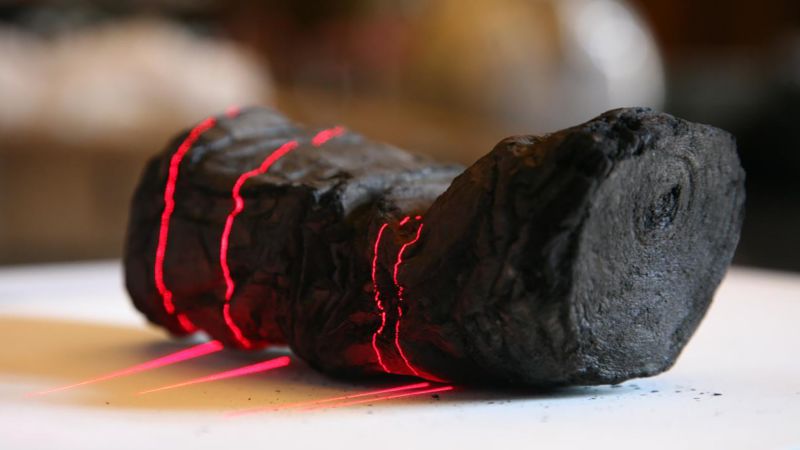
For the first time, an entire scroll from Herculaneum — the PHerc. 1667 — has been fully deciphered using artificial intelligence, without physically opening it. The scroll was buried and carbonized by the eruption of Mount Vesuvius in 79 AD and was discovered in the 1750s at the Villa of the Papyri. A team associated with the University of Kentucky's Vesuvius Challenge used AI and advanced imaging to read the ancient text, which discusses pleasure, music, and the senses — likely authored by the Epicurean philosopher Philodemus. This breakthrough opens the door to reading hundreds of other unopened scrolls from the same library.
Source
 Twitter / XAI Deciphers Entire Herculaneum Scroll Buried by Vesuvius for the First Timenews.artnet.com
Key quotes
· 3 pulledAfter centuries, papyrologists have finally translated a scroll immortalized by Mount Vesuvius nearly 2,000 years ago.
Using previously unimaginable technology, a team associated with the University of Kentucky's Vesuvius Challenge read PHerc. 1667—without even opening it.
Historians believe the Villa of the Papyri, which opened to the public in 2003, belonged to Roman senator Lucius Calpurnius Piso Caesoninus.
You might also wanna read

AI helps decipher carbonized Herculaneum scroll buried by Vesuvius eruption 2,000 years ago
A papyrus scroll (PHerc. 1667) from Herculaneum, carbonized during the 79 AD eruption of Mount Vesuvius, has been virtually unrolled and par
 cnn.com·4d ago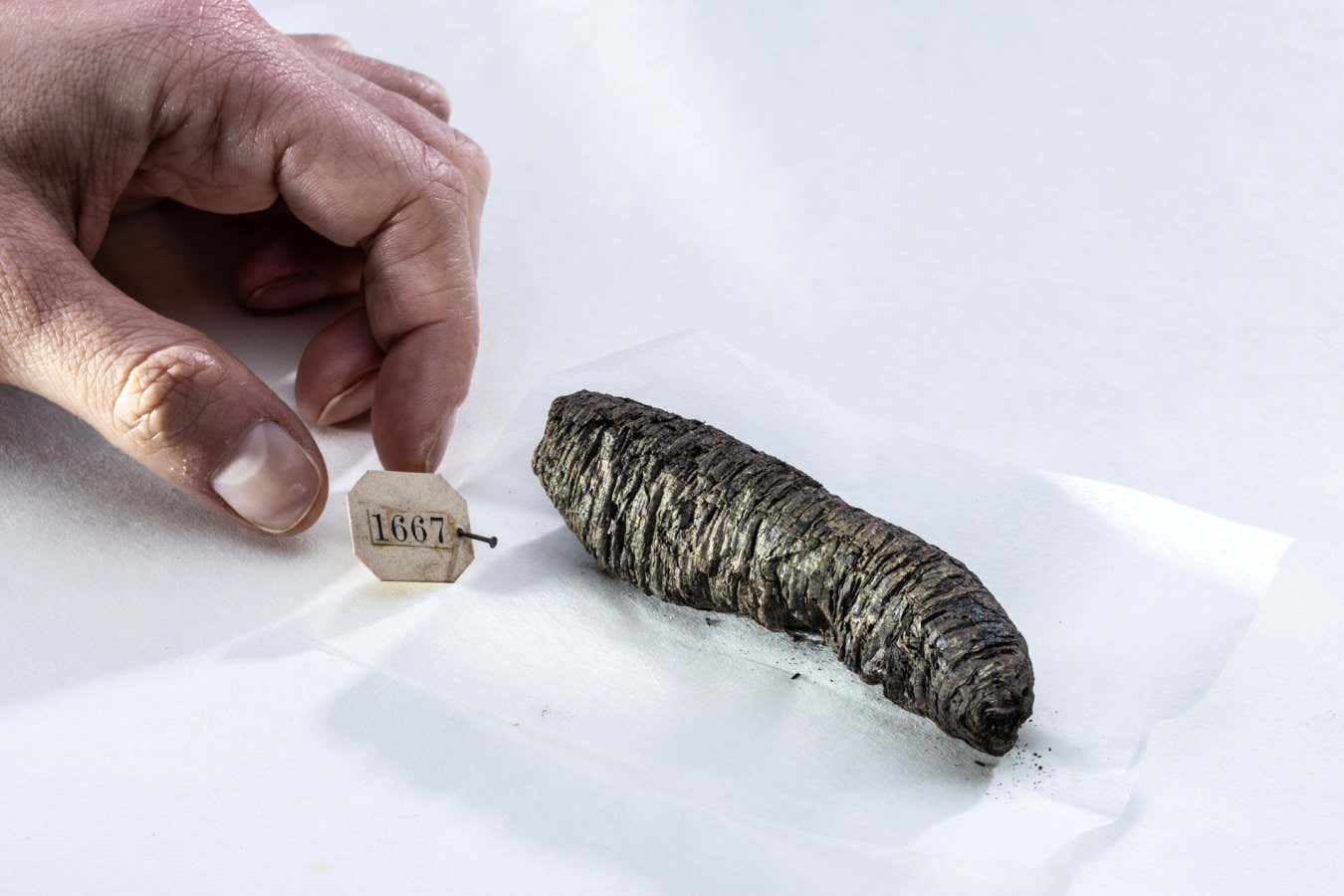
AI and 3D scans unlock ancient philosophical texts from Herculaneum scrolls
Researchers have used AI and 3D scanning technology to read the entire surviving text from carbonized papyrus scrolls from the library of He
 newscientist.com·9d ago
AI and 3D scans unlock ancient philosophical texts from Herculaneum scrolls
Researchers have used AI and 3D scanning technology to read the entire surviving text from carbonized papyrus scrolls from the library of He
newscientist.com·9d agoAI and 3D scans unlock ancient philosophical texts from Herculaneum scrolls
Researchers have used AI and 3D scanning technology to read the entire surviving text from carbonized papyrus scrolls from the library of He
newscientist.com·9d ago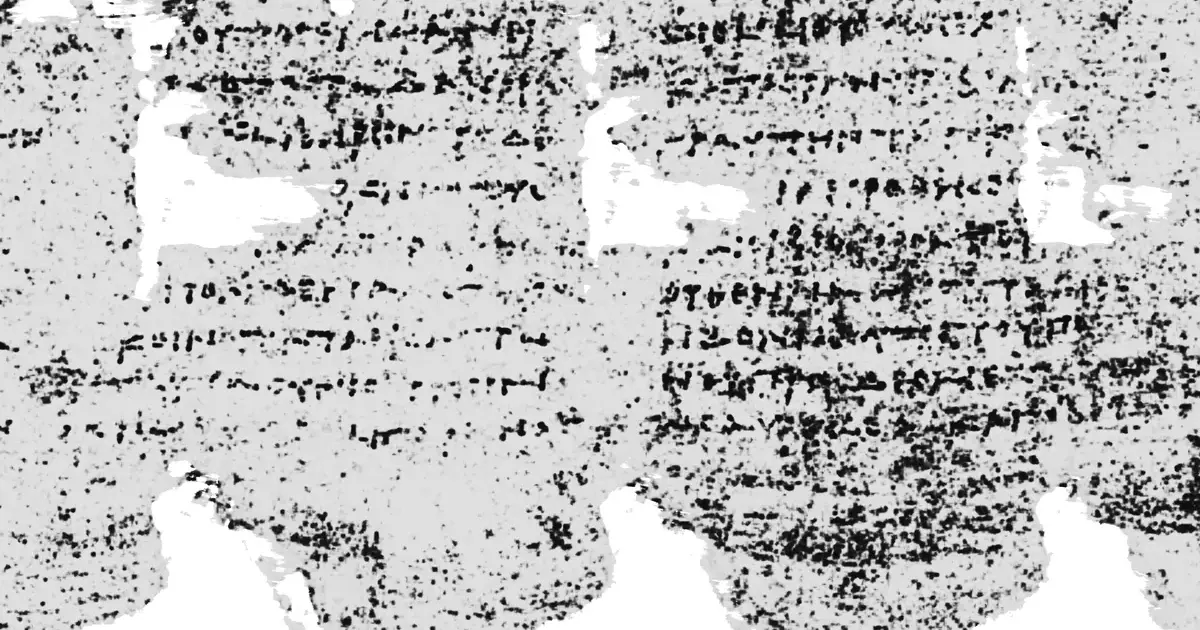
Researchers virtually unwrap and read entire Herculaneum scroll sealed since Vesuvius eruption
Researchers have successfully read an entire Herculaneum scroll (PHerc. 1667) that was carbonized and sealed by the eruption of Mount Vesuvi
 scrollprize.org·9d ago
Researchers virtually unwrap and read entire Herculaneum scroll sealed since Vesuvius eruption
Researchers have successfully read an entire Herculaneum scroll (PHerc. 1667) that was carbonized and sealed by the eruption of Mount Vesuvi
scrollprize.org·9d ago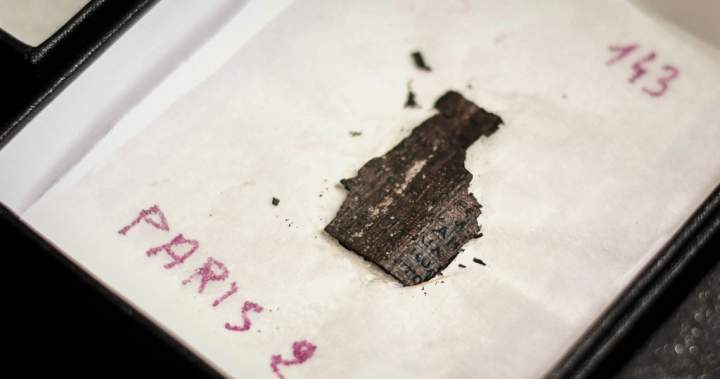
AI and X-ray imaging unlock philosophical writings from Vesuvius-buried scrolls
Researchers using AI and advanced X-ray imaging have achieved the first complete readings of ancient scrolls buried by Mount Vesuvius in 79
 globalnews.ca·7d ago
AI and Particle Accelerator Used to Read 2,000-Year-Old Herculaneum Scroll for First Time
Researchers have achieved the first complete reading of a carbonized Herculaneum scroll that was buried and burned during the Mount Vesuvius
%22 d=%22M44,140.1h42.8V272H54.9c0-0.1,0-103.8,0-103.8H44V140.1z M44,1c28.4,0,42.6,16.2,42.6,42.2v66.1H54.9V43.8 c0-7.2-3.1-11.7-10.6-11.7c-7,0-10.6,4.2-10.6,11.7c0,0,0,228.1,0,228.2H0.2c0-0.5,0-228.8,0-228.8C0.1,16.8,14.8,1,44,1L44,1z%22/></svg>) ground.news·9d ago
ground.news·9d ago
Comments
Sign in to join the conversation.
No comments yet. Be the first.