





















Artemis II crew captures rare double auroras on Earth's dark side during moon mission
By
Jamie Carter

Crisp on the outside, thoughtful on the inside. A keeper.
Summary
The Artemis II crew captured a stunning photo of Earth from orbit showing rare double auroras (northern and southern lights simultaneously) on the dark side of the planet, illuminated by moonlight. The image was taken on April 2, 2026, as the four astronauts began their historic journey to the moon. The photo reveals both auroral ovals glowing green around Earth's poles, a phenomenon rarely seen together in a single shot. The article describes the visual details of the image and the significance of capturing both auroras simultaneously from space.
Key quotes
· 3 pulledThe four astronauts on NASA's Artemis II mission captured more than they bargained for when they photographed the nightside of Earth, right after starting their historic journey to the moon.
The image reveals both auroral ovals glowing green around Earth's poles, a phenomenon rarely seen together in a single shot.
Earth as seen by the departing crew of Artemis II on April 2, 2026.
You might also wanna read

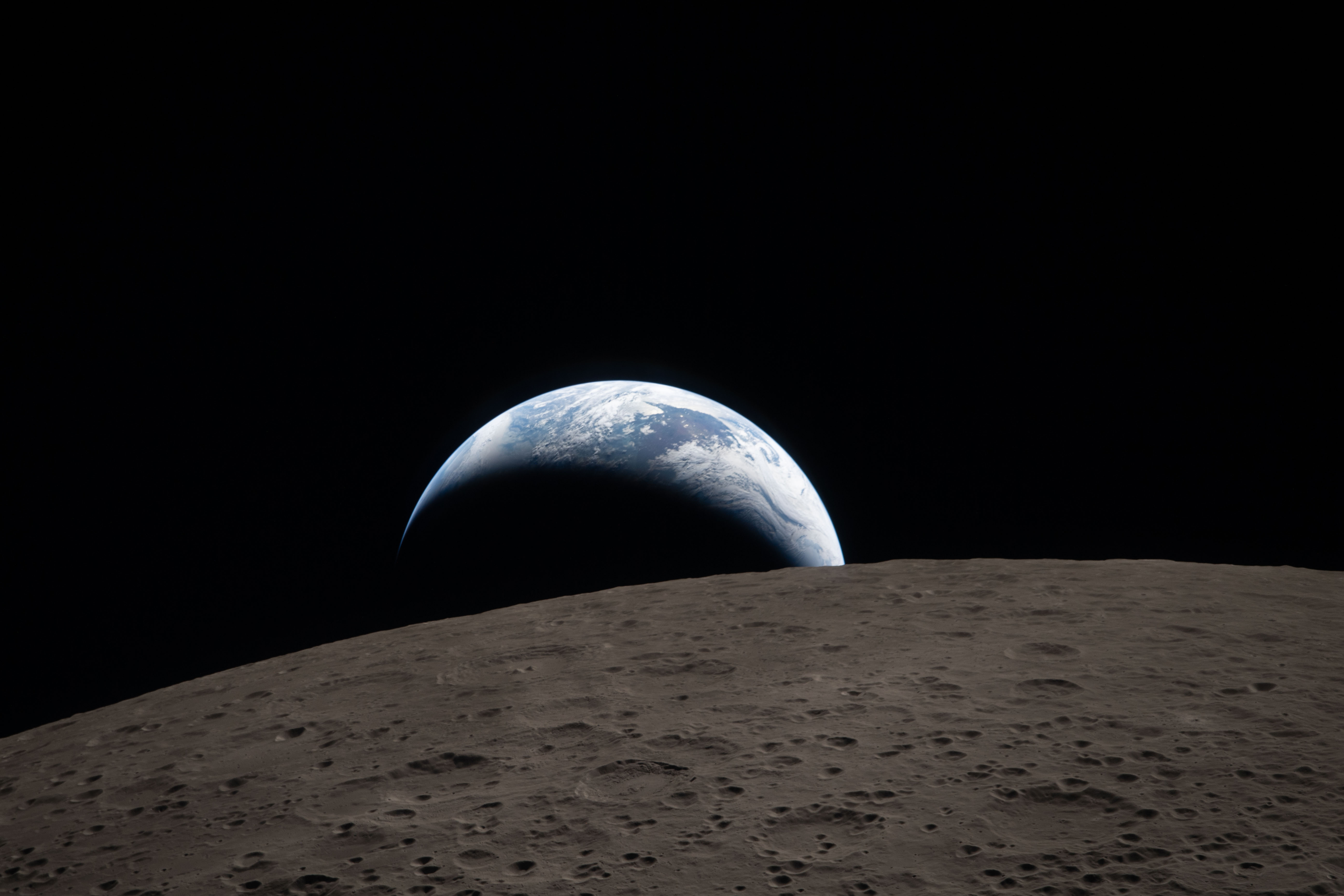
NASA Artemis II Mission Releases First Lunar Flyby Images Showing Previously Unseen Regions
NASA's Artemis II mission has released the first flyby images of the Moon captured by astronauts during their historic test flight. The phot
 nasa.gov·2mo ago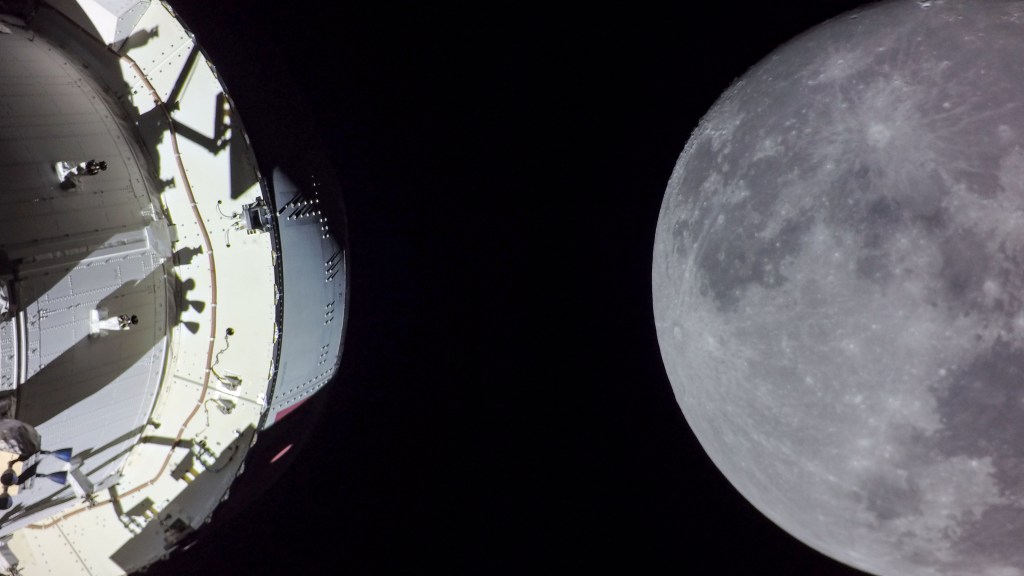
NASA Artemis II Mission to Conduct Lunar Flyby and Surface Observations on April 6
NASA's Artemis II mission will conduct a lunar flyby on April 6, during which astronauts will capture high-resolution photographs of the Moo
 plus.nasa.gov·2mo ago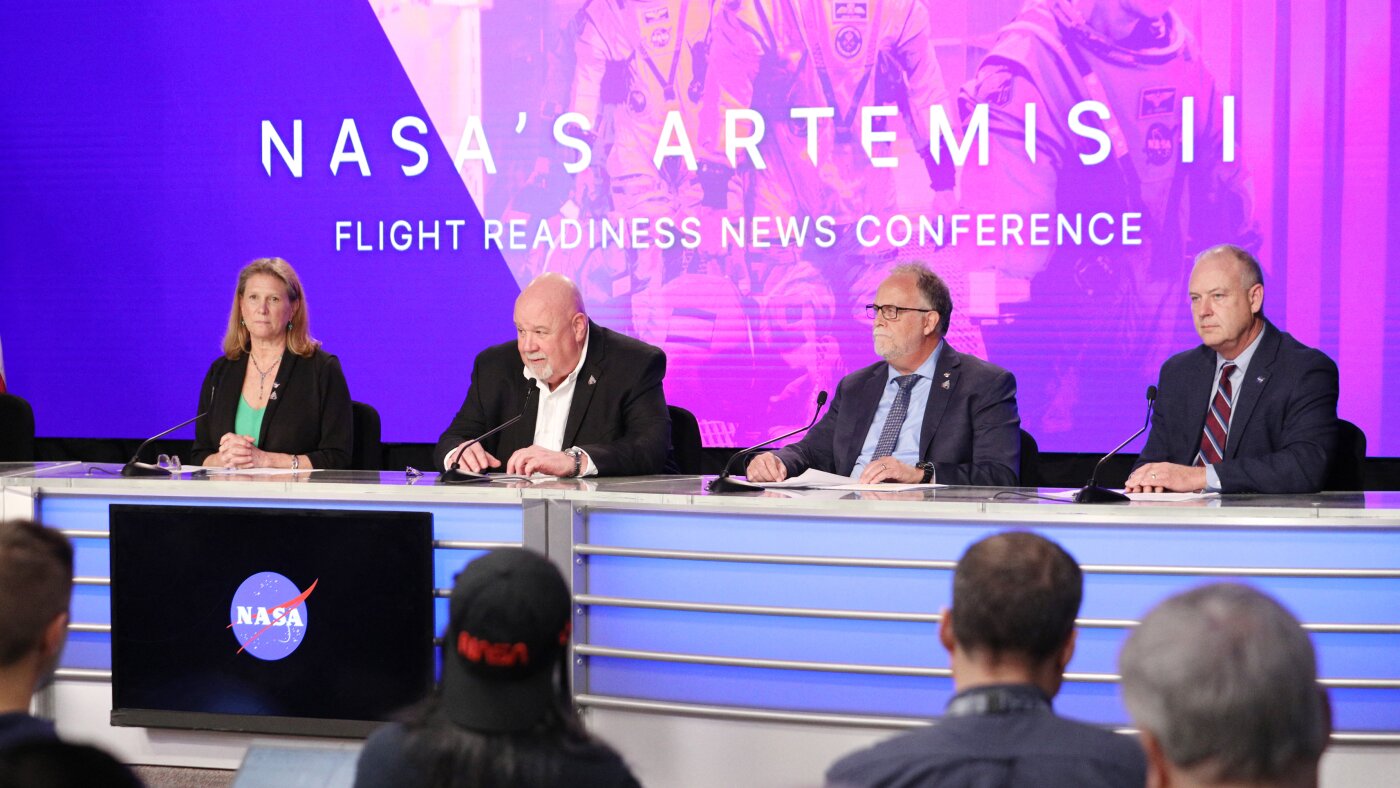
NASA Sets April 1 Launch Target for Artemis II Crewed Moon Mission
NASA has targeted April 1 for the launch of Artemis II, the first crewed mission to orbit the moon since 1972. The decision follows a succes
 npr.org·3mo ago
NASA Dumps 12,000+ Artemis Photos Online; Here Are The Best From The Collection
The article discusses NASA's release of 12,217 new photos from the Artemis mission, criticizing the poor organization and accessibility of t
 Defector·1mo ago
LuSEE-Night: Lunar Radio Telescope to Study Cosmic Dark Ages from Moon's Far Side
Astronomer Jack Burns has worked for four decades to place a radio telescope on the moon, with the first one (LuSEE-Night) scheduled to laun
 spectrum.ieee.org·4mo ago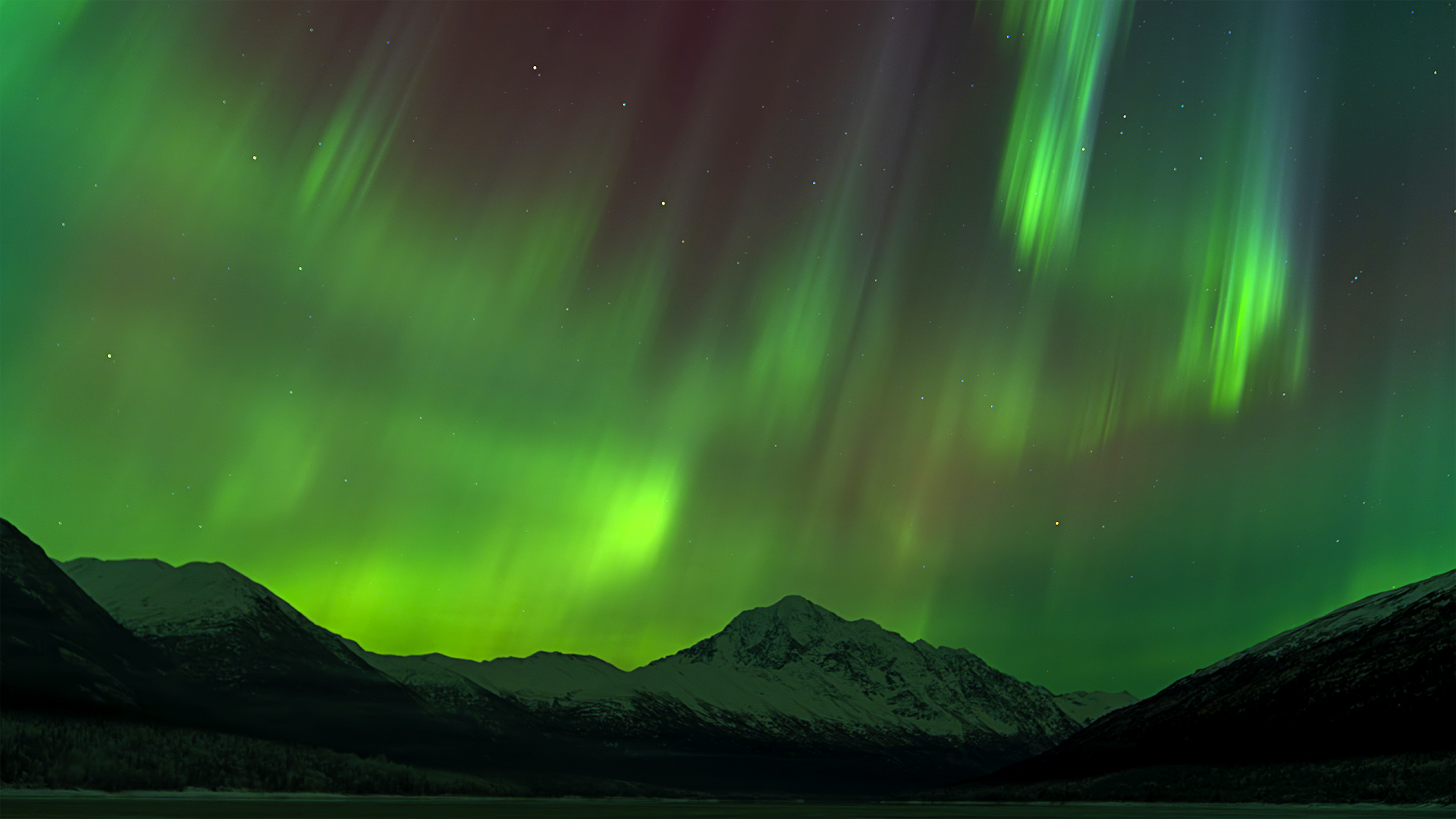
NOAA Scientists Announce Aurora Borealis Will Be Visible on Google Images Tonight
Scientists at NOAA's Space Weather Prediction Center announced that the aurora borealis will be visible on Google Images tonight, suggesting
 The Onion·7mo ago