





















The Armstrong Effect: Static Electricity Generated by Fluid Friction
By
Contributors to Wikimedia projects
Summary
The Armstrong effect is a physical phenomenon where static electricity is generated through fluid friction. Discovered in 1840 when an electrical spark was produced by water droplets in escaping steam from a boiler, it was named after William Armstrong (later 1st Baron Armstrong), who helped discover and investigate the process. Armstrong used this principle to invent the Armstrong hydroelectric machine, which generated static electricity (not hydroelectric power).
Source

 Hacker NewsThe Armstrong Effect: Static Electricity Generated by Fluid Frictionen.wikipedia.org
Key quotes
· 4 pulledThe Armstrong effect is the physical process by which static electricity is produced by the friction of a fluid.
It was first discovered in 1840 when an electrical spark resulted from water droplets being swept out by escaping steam from a boiler.
The effect is named after William Armstrong, who later became 1st Baron Armstrong, who was one of several people involved in discovering the effect and investigating the processes involved.
Using this principle, Armstrong went on to invent what he called the Armstrong hydroelectric machine, which, despite its name, generated static electricity and not hydroelectric power.
You might also wanna read
Scientists generate electricity from ambient moisture using everyday ingredients


Researchers discover method to control quantum effect that could enable battery-free electronics
Scientists from QUT and Nanyang Technological University have discovered a way to control the nonlinear Hall effect (NLHE), a quantum phenom
Examining the EmDrive: The Controversial Propellantless Propulsion System
The article discusses the EmDrive, a propulsion concept introduced by British engineer Roger Shawyer in 2001 that claims to produce thrust w
 popularmechanics.com·21d ago
UK scientists discover geothermal energy potential in flooded coalmines
UK scientists led by Dr David Johnstone have discovered a clean energy source from naturally heated water in flooded coalmines. Using legacy
 renewableenergymagazine.com·12d ago
New liquid material harvests and stores energy by transforming into a gel
Engineers and materials scientists have developed a novel liquid material that can harvest and store energy from multiple sources (including
 science.org·7h ago
New liquid material harvests and stores energy by transforming into a gel
Engineers and materials scientists have developed a novel liquid material that can harvest and store energy from multiple sources (including
science.org·7h ago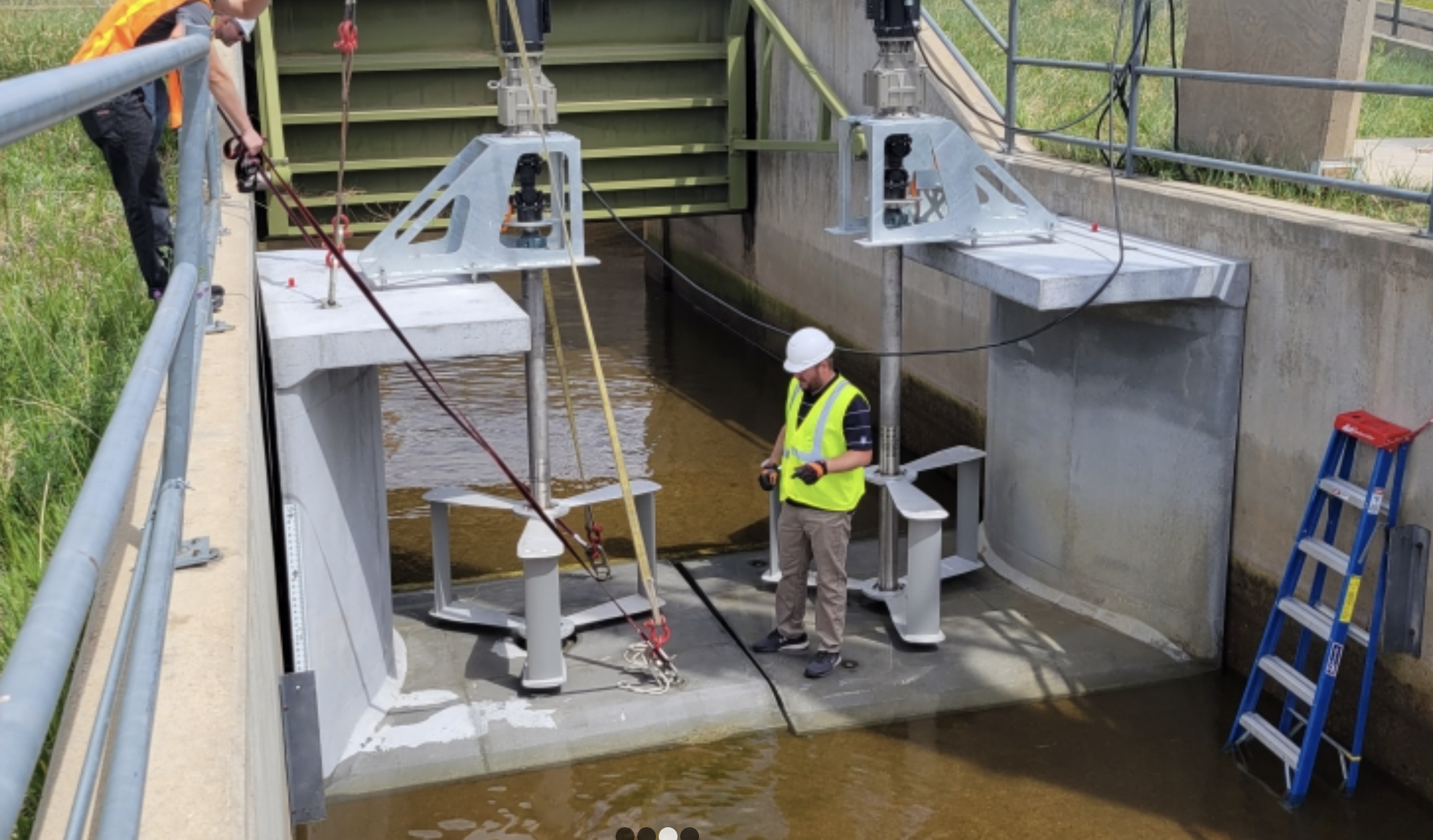
Modular turbine system generates hydropower from existing canals without dams
Emily Morris and Thorsten Stoesser have developed a modular turbine system through their company Emrgy that generates electricity from exist
 ioplus.nl·15d ago