





















Researchers discover method to control quantum effect that could enable battery-free electronics
Summary
Scientists from QUT and Nanyang Technological University have discovered a way to control the nonlinear Hall effect (NLHE), a quantum phenomenon that can convert alternating electrical signals from the environment directly into usable current without batteries. The research shows that microscopic imperfections and atomic vibrations in advanced materials can be used to tune this effect, with the signal even capable of flipping direction based on temperature changes. This breakthrough could potentially power electronic devices without traditional batteries in the future.
Source
 bskyResearchers discover method to control quantum effect that could enable battery-free electronicssciencedaily.com
Key quotes
· 3 pulledScientists have uncovered a new way to control an unusual quantum phenomenon that could one day help power electronic devices without batteries.
Unlike the classical Hall effect, the NLHE can convert alternating electrical signals from the environment directly into the kind of current electronic devices need, without traditional components.
As temperature changes, the signal can even flip direction, giving scientists a new way to tune device performance.
You might also wanna read


Nanocrystal Light Emission Reveals Quantum Zero-Point Motion in Atomic Lattice
Researchers have observed unexpected light emission from a nanocrystal cooled to near absolute zero, which is shown to arise from quantum fl
 physics.aps.org·7mo ago
ETH Zurich Researchers Develop Stable Quantum Gates Using Neutral Atoms
Researchers at ETH Zurich have developed a new method for creating stable quantum logical operations using neutral atom qubits. The quantum
 ethz.ch·2mo ago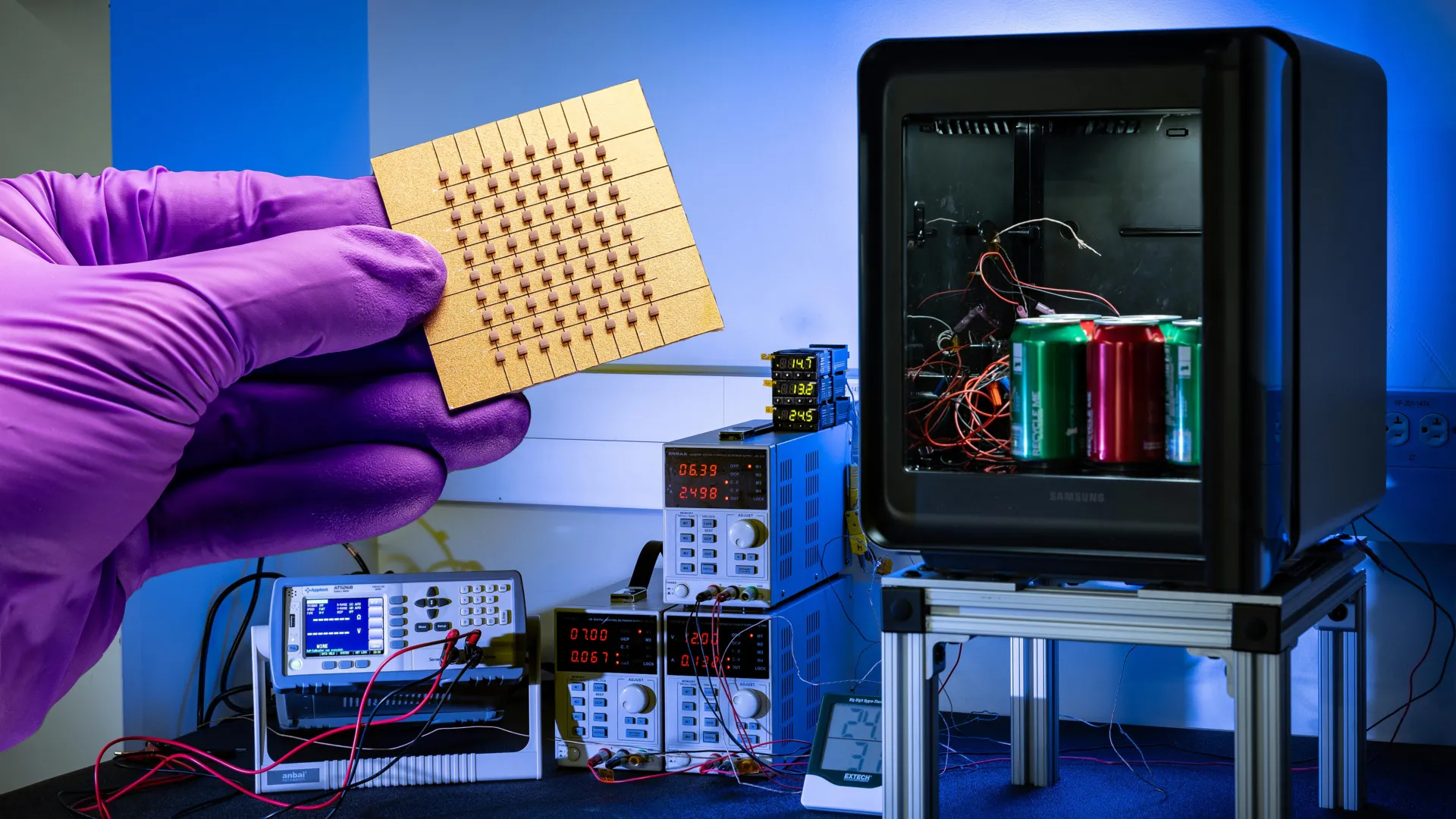
Johns Hopkins Researchers Develop Thermoelectric Cooling Technology with Double Efficiency
Researchers at Johns Hopkins Applied Physics Laboratory have developed a new solid-state thermoelectric refrigeration technology using nano-
Shiitake Mushroom Mycelium Used to Create Sustainable Memristors for Neuromorphic Computing
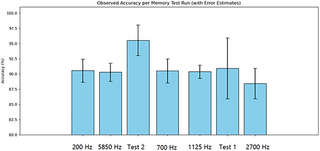
Researchers have developed sustainable memristors using shiitake mushroom mycelium for high-frequency bioelectronics applications. The study
 journals.plos.org·7mo ago
Researchers Develop Materials for Light-Based Computer Chips to Improve Efficiency and Speed
Researchers are developing light-based computers that use photons instead of electricity, which could offer greater energy efficiency and fa

Exploring Quantum Brain Dynamics: Super-Radiance with Light and Sound Waves in Microtubules
The article discusses the derivation of super-radiance solutions involving coherent light and sound waves within the environment of a microt
researchgate.net·11mo ago