All Topics
All Topics
Technology
Technology
AI
AI
Business
Business
Entertainment
Entertainment
News
News
Programming
Programming
Security
Security
Science
Science
Design
Design
Environment
Environment
Finance
Finance
Crypto
Crypto
Politics
Politics
Sports
Sports
Education
Education
Gaming
Gaming
Art
Art
Music
Music
Health
Health
Books
Books
Food
Food
Travel
Travel
Personal
Personal
Bluesky
Twitter

Are Wars Blurring Lines Between Corporate and National Security?

By

EditorDavid

Source

SlashdotAre Wars Blurring Lines Between Corporate and National Security?slashdot.org
Snippet from the RSS feed
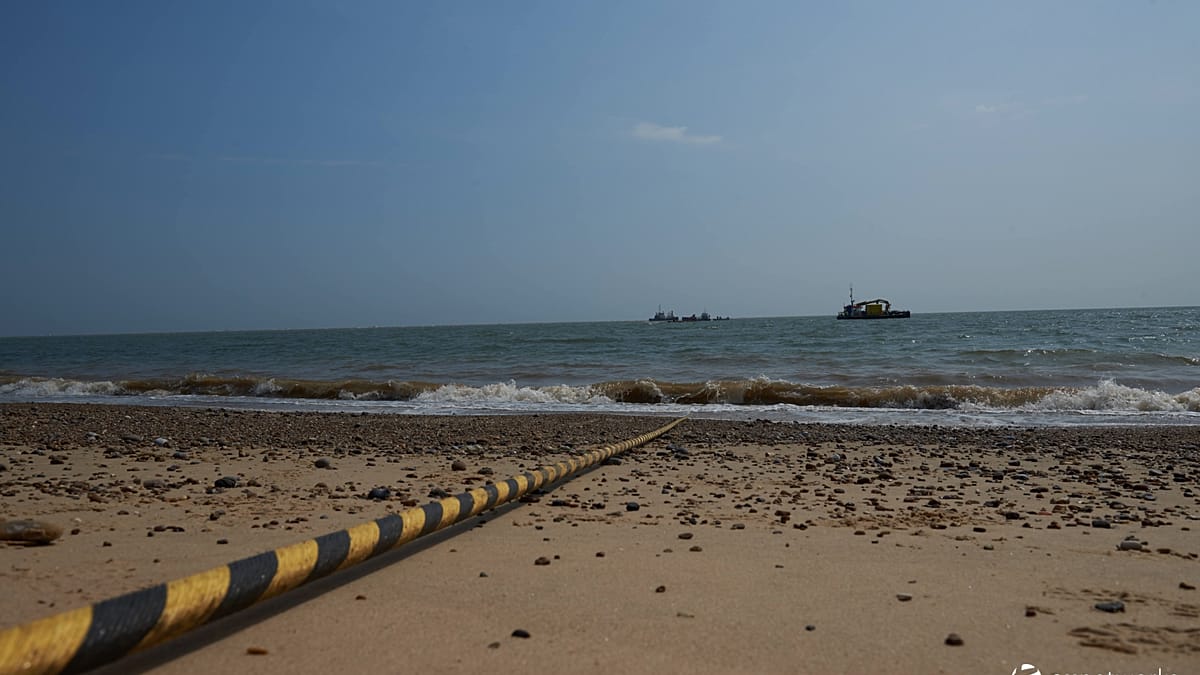
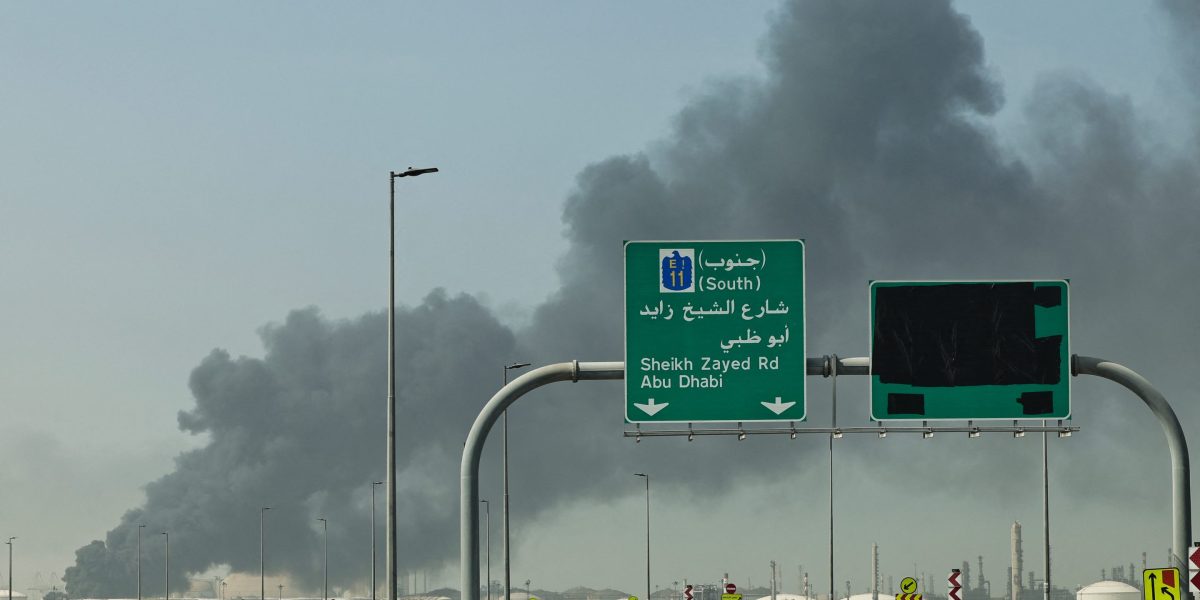
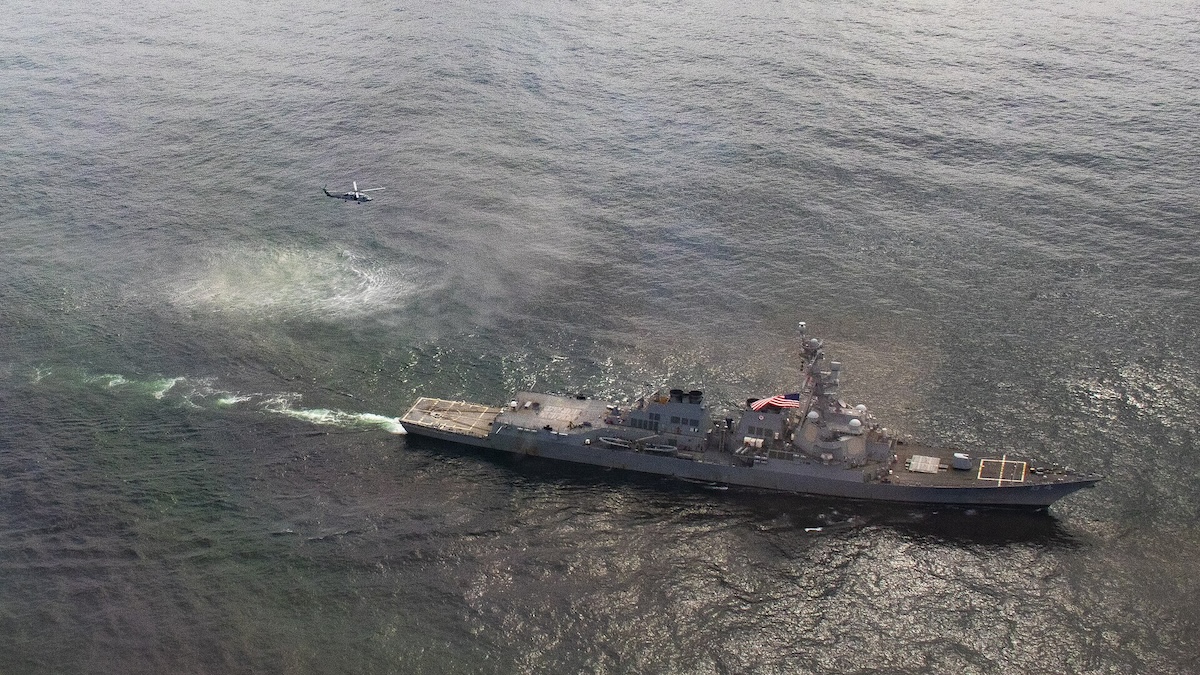
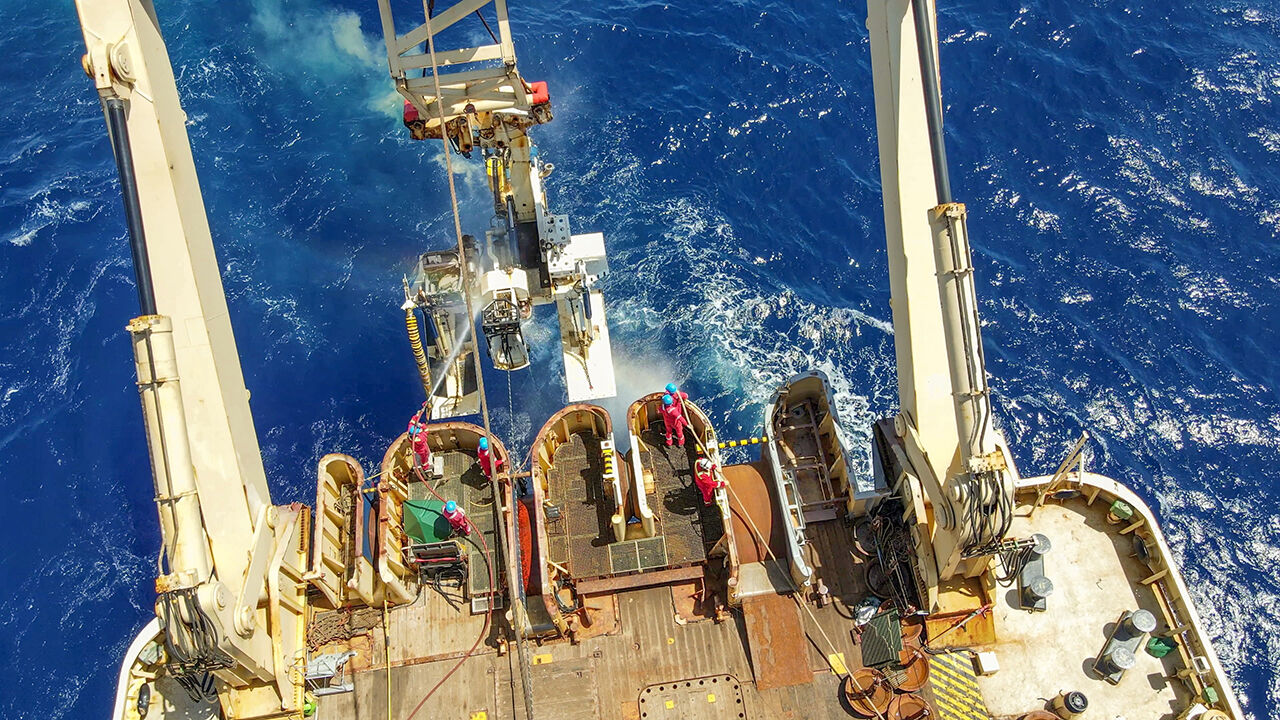
Subsea cables. Ukrainian power stations. Russian oil refineries. Even airports, water-desalination plants and Amazon data centers. They've all become targets in wartime, notes the Wall Street Journal, and around the world now arguments "are already brewing between companies and governments over new regulations and potential costs." In Germany, powerful associations representing private companies and municipal utilities have pushed back against new standards for physical protection, warning they could spell financial ruin. New Zealand's government has faced resistance from industry groups over a proposal to fine critical-infrastructure companies and their directors for cybersecurity breaches... A sign of how lines are blurring: The North Atlantic Treaty Organization's 32 countries last year agreed that as part of a pact to spend 5% of economic output on defense and security, 1.5% would go to military-adjacent needs including protecting critical infrastructure and networks. Spending targets range from cybersecurity and industrial capacity to railroads, bridges and ports needed for military logistics... "We need a wide concept of defense — defense is no longer just military," said Italian Adm. Giuseppe Cavo Dragone, NATO's top military adviser. Adding to the complexity, companies now need to protect the data networks that serve as gateways to critical infrastructure. Hackers increasingly target not just computer files to steal information but also systems managing vital functions like building access and factory control, remotely causing physical damage or enabling espionage. U.S. authorities in April warned that Iranian hackers were trying to disrupt American drinking-water systems by targeting computer equipment that connects hardware with software. A year earlier, suspected Russian hackers remotely manipulated valves on a Norwegian hydroelectric dam... Another challenge will be parsing jurisdictions and liability for assets that cross international waters or are damaged in combat — such as subsea data cables or energy pipelines. Turf battles between law enforcement and militaries are already complicating efforts... "The private owner can invest in redundancy, monitoring, and repair capacity, but only governments and militaries can really deter, patrol, attribute, or respond to hostile state activity," said Marc Glasser, who worked on cybersecurity and infrastructure security for three decades at the U.S. Department of Transportation and the Department of Homeland Security.... Companies say they need greater clarity from governments on what protections they will provide and subsidies to help them defend privately owned assets that provide a public good. Most governments don't provide incentives for companies to invest more than the minimum legal resilience requirements. The article notes that in May the chief executive of California's Port of Long Beach "launched a cyber-defense operations center to thwart tens of thousands of cyberattacks daily, which jeopardize computer systems and all equipment connected to them." The article also points out that the EU adopted new regulations requiring countries to reduce vulnerabilities, and new laws proposed in the U.K. now "seek to increase penalties for subsea sabotage, updating codes that date to when telegraph cables were first laid in the 19th century." Read more of this story at Slashdot.

You might also wanna read

How AI and drones are being used to protect Europe's undersea cables and infrastructure

The article discusses the growing strategic importance of underwater infrastructure—specifically submarine telecommunications cables, gas pi

l.euronews.com·1mo ago

Data Centers as Strategic Military Targets: Experts Warn of Growing Physical and Cyber Threats

The article discusses how data centers are becoming strategic military targets in modern conflicts, particularly as AI becomes critical to b

fortune.com·3mo ago

NATO Faces Growing Threat to Undersea Internet Cables and Pipelines from Russian Sabotage

The article examines the growing threat to NATO's critical undersea infrastructure, particularly internet cables and pipelines, from potenti

warontherocks.com·1mo ago

Geopolitical tensions and AI boom reshape Asia's subsea cable routes away from China

The article discusses how geopolitical tensions and the AI boom are reshaping the geography of subsea cable networks in Asia. New cables con

econ.st·4d ago

NATO's Military Cloud Infrastructure at Risk Without Shared Standards

The article discusses how NATO's reliance on cloud infrastructure for military operations is at risk due to fragmented procurement decisions

foreignpolicy.com·22d ago

Iran threatens to disrupt subsea internet cables under Strait of Hormuz to extract fees from tech companies

Iran is leveraging its strategic position over the Strait of Hormuz to target subsea internet cables that carry global data traffic between

cnn.com·1mo ago

Comments

Sign in to join the conversation.

No comments yet. Be the first.