





















How Lewis and Clark's laxative pills help archaeologists find their campsites today
By
toomuchtodo

Front-window bakery material. Catches the eye, delivers the goods.
Summary
This article from the Offbeat Oregon History series discusses how the Lewis and Clark Expedition's Corps of Discovery carried 600 large laxative pills called "thunder-clappers" to deal with chronic constipation caused by their low-fiber diet. The key historical insight is that these pills contained mercury salts, a stable compound that remains in the soil. Modern archaeologists can locate Corps of Discovery campsites by searching for old latrine pits and testing soil samples for elevated mercury levels, allowing them to reconstruct campsite layouts using period military manuals.
Key quotes
· 4 pulledThere were, however, some particular pains they were experiencing, as a result of a relentlessly low-fiber diet: Everyone was constipated, all the time.
The Corps of Discovery left on its journey with a trove of 600 giant pills that the men called 'thunder-clappers,' which the soldiers and travelers used to jump-start things when they got bound up.
Archaeologists simply have to search for dimples in the ground — which is what old latrine pits often end up looking like, hundreds of years later, after Nature has partly filled them in — and take samples of the dirt in them.
If it comes up with an off-the-charts reading for mercury, well, that's a Corps of Discovery pit toilet — and the layout of the rest of the campsite can be extrapolated with considerable precision by consulting the military manuals they used to lay out their camps.
You might also wanna read

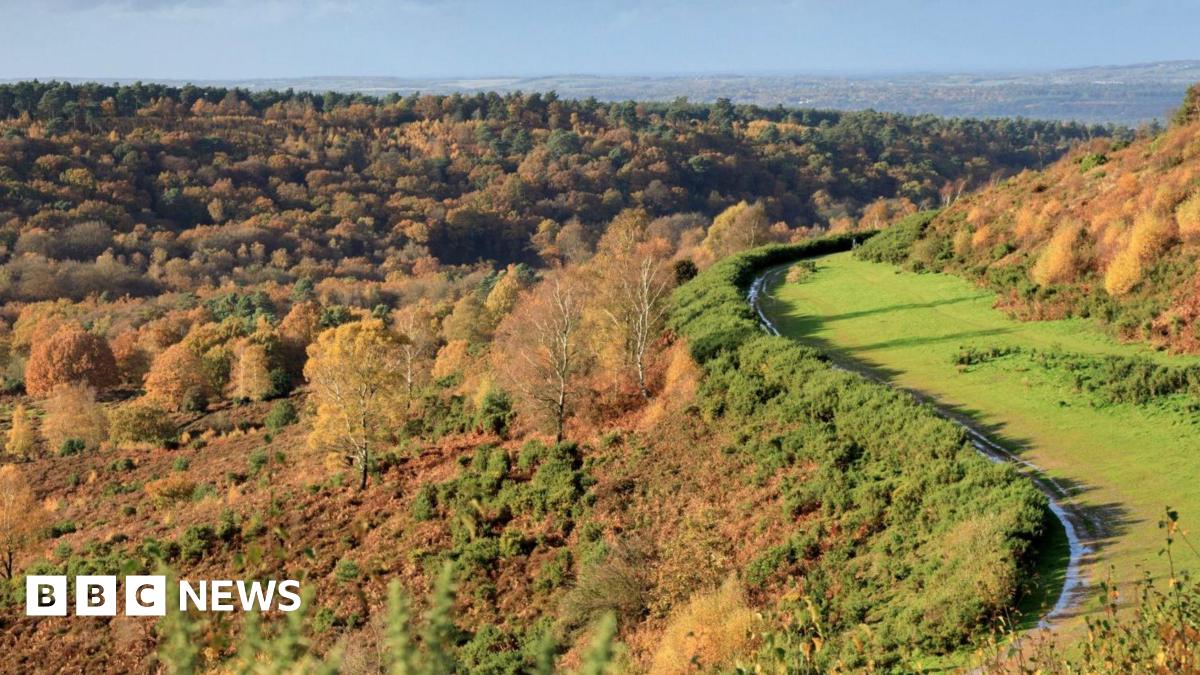
Hindhead Tunnel project drives successful rewilding and pollution reduction in southern England
The Hindhead Tunnel project in southern England removed a road that had been causing traffic congestion and poor air quality in Hindhead vil
 bbc.co.uk·20h ago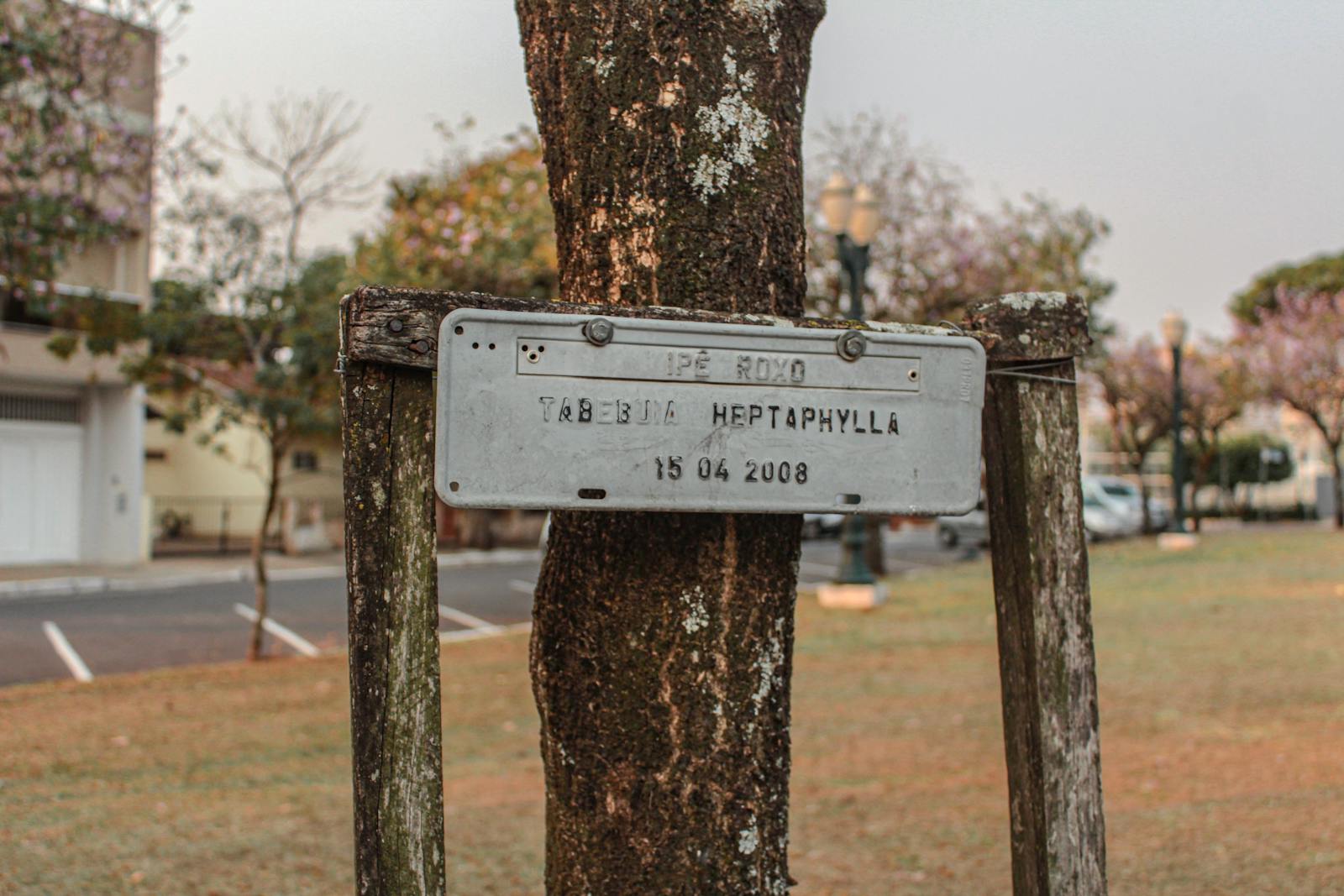
Moon Trees: The Apollo 14 seeds that circled the Moon and now grow across America
In 1971, Apollo 14 astronaut Stuart Roosa carried roughly 500 tree seeds around the Moon in his personal kit. After returning to Earth, the
 spacedaily.com·1d ago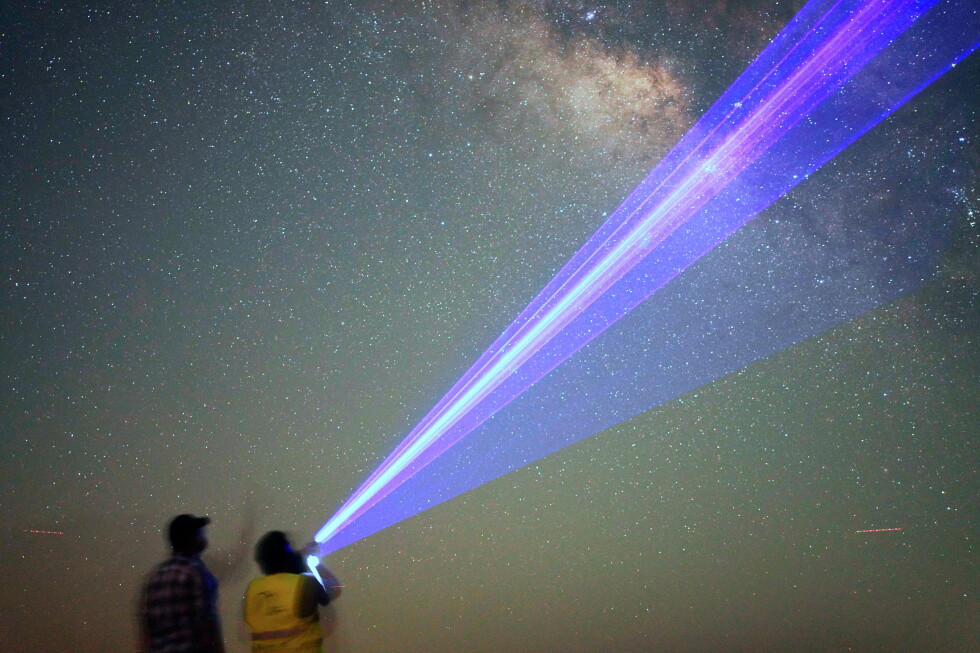
In UAE's bright cities, stargazers seek darkness to reconnect with the Milky Way
The article explores how the United Arab Emirates' rapid development and urban light pollution have obscured the night sky across most of it
 bit.ly·1d ago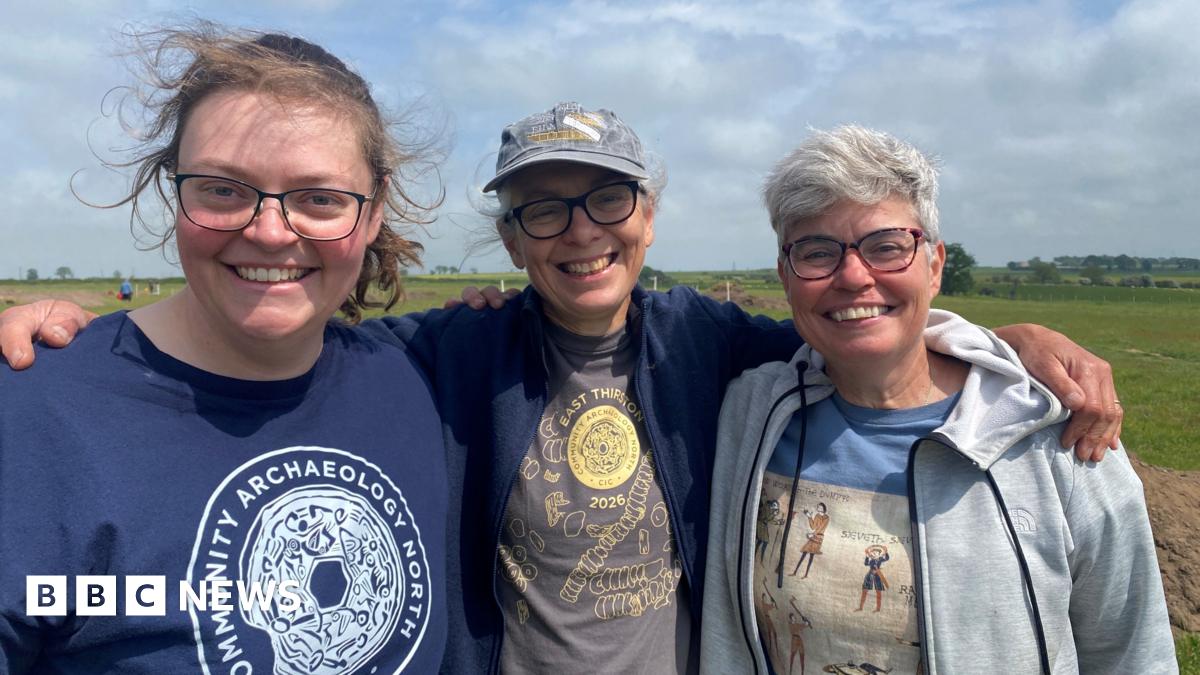
Second Anglo-Saxon oven unearthed at Felton dig site in Northumberland
Archaeologists have uncovered a second oven during their fourth dig at an Anglo-Saxon site near Felton, Northumberland. The site, popular wi
bbc.co.uk·2d ago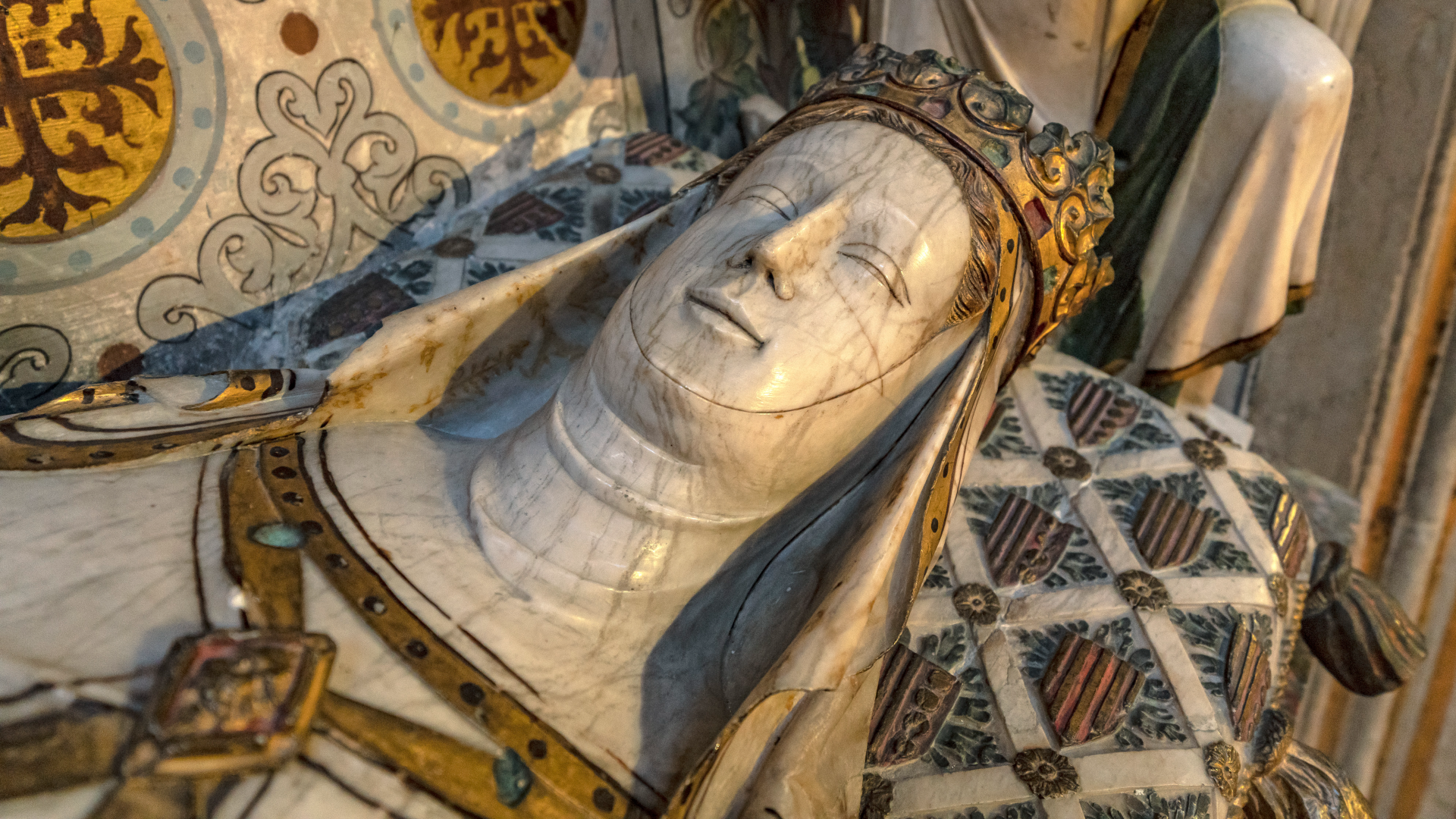
Skeletal remains of Queen Elisenda of Montcada and 24 others discovered in Barcelona monastery excavation
Archaeologists in Barcelona opened eight 14th-century graves at the Royal Monastery of Santa Maria Pedralbes and discovered 25 skeletons, in
 livescience.com·2d ago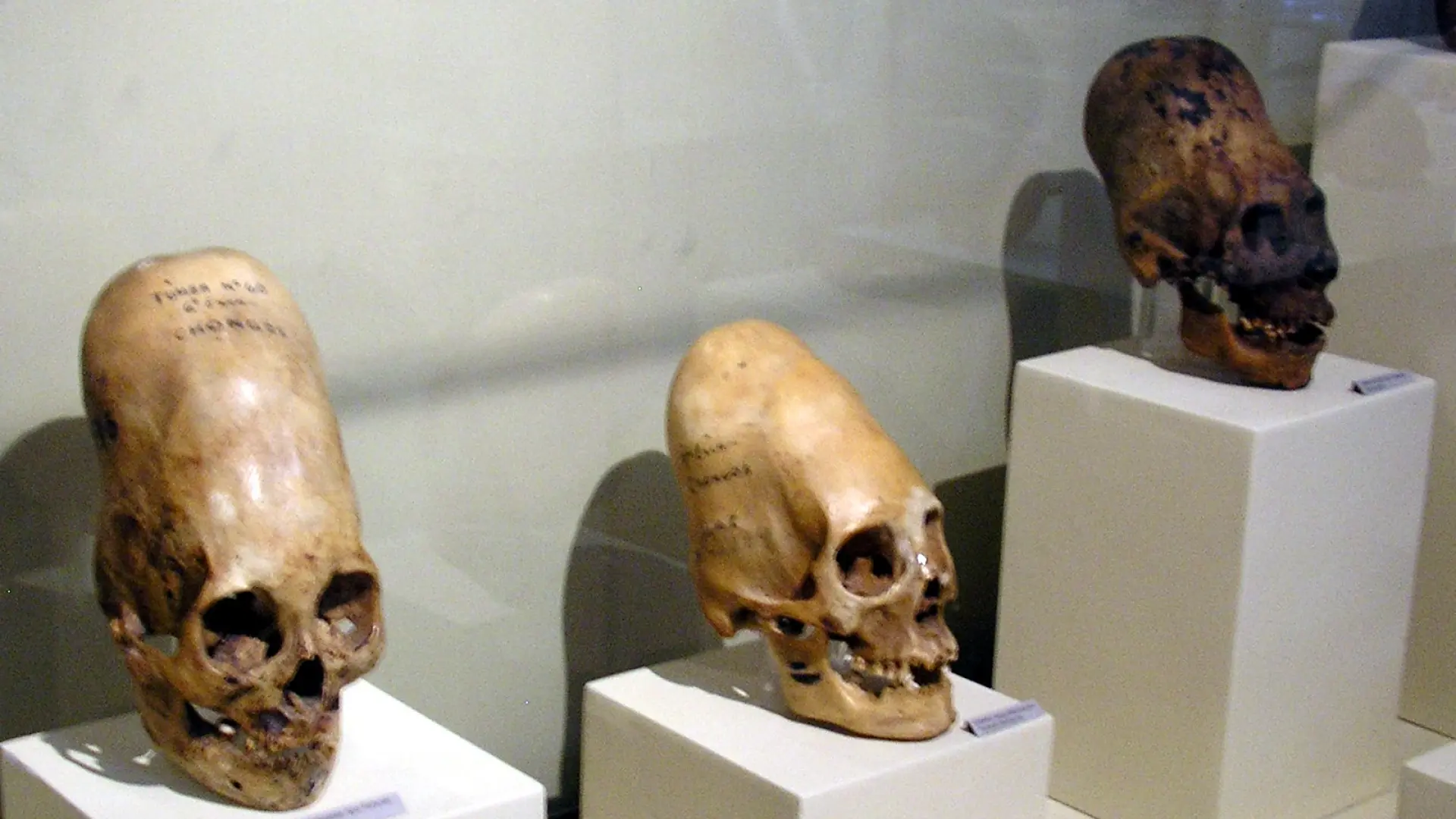
Cráneos de Paracas en Perú: el debate científico entre la deformación cultural y las teorías extraterrestres
Un artículo que analiza los cráneos alargados descubiertos en Paracas, Perú, por el arqueólogo Julio C. Tello en 1928. Se discuten las teorí
 20minutos.es·3d ago