
























Approximately 8% of the population — 26.1 million — lacked health insurance in 2019
In the year before the pandemic hit, 92% of people in the US had health insurance, with employment-based insurance as the most prevalent coverage type.
Read the full articleYou might also wanna read


Erupting Crisis Of Uninsurance, Created By Republicans, Will Soon Engulf US Families
The GOP-fostered uninsurance crisis is growing faster than a newborn volcano, one that will do grave harm to those directly affected and lat

Survey: One in Five Privately Insured Adults Denied Coverage for Doctor-Recommended Care
About 20% of respondents reported a coverage denial for recommended care
 medpagetoday.com·1mo ago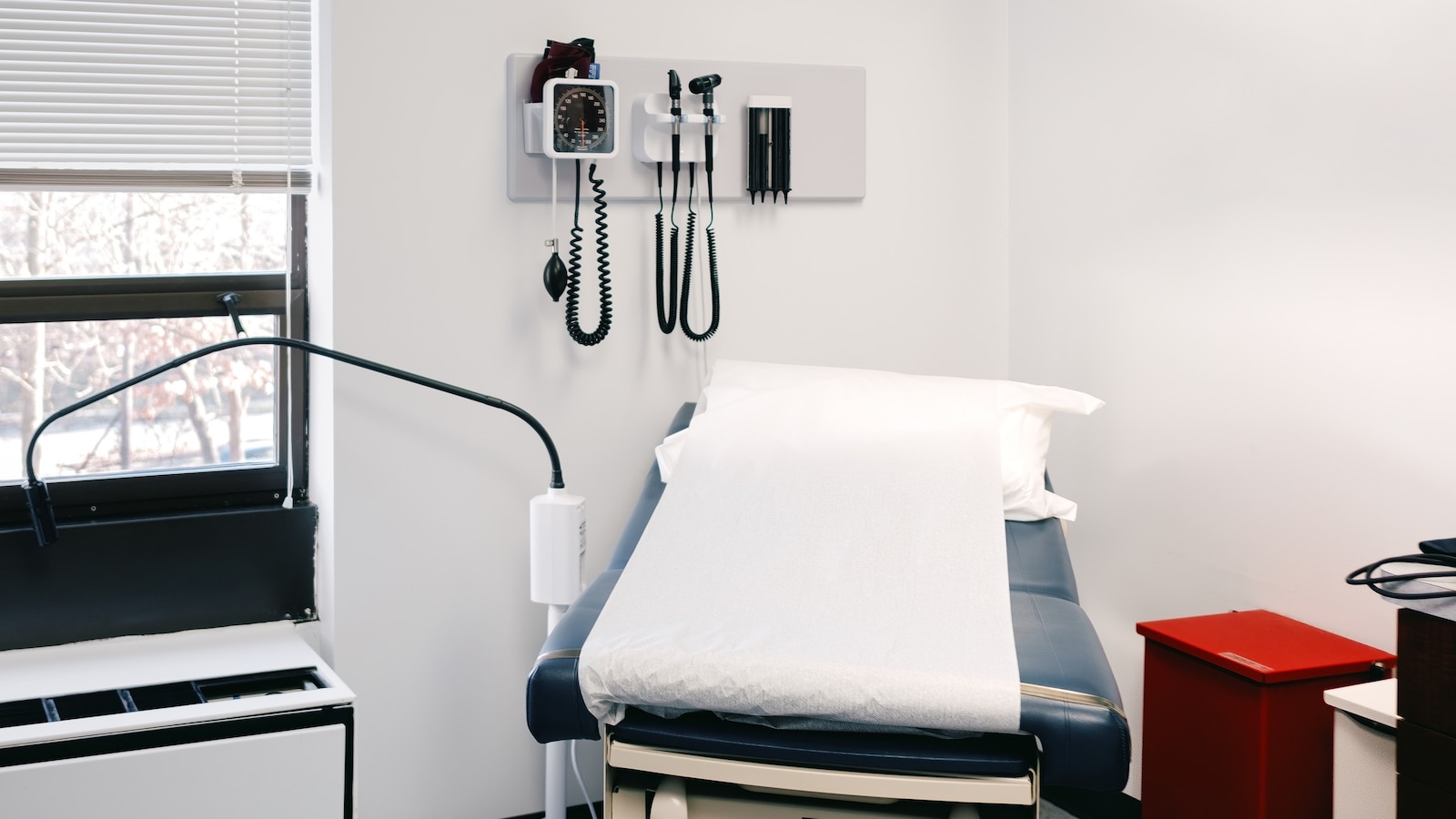
Gallup: Fewer than half of Americans can afford healthcare, hitting five-year low
It's the lowest rate since Gallup began tracking it five years ago.
 abcnews.com·17d ago
U.S. labor force participation drops to 61.5%, lowest in nearly 50 years outside pandemic — economists point to worker shortage, not discouragement
Although AI and tech innovation is blamed for that drop, it has more to do with the lack of supply relative to the number of jobs that are a
 FORTUNE·1d ago
U.S. labor force participation drops to 61.5%, lowest in nearly 50 years outside pandemic — economists point to worker shortage, not discouragement
Although AI and tech innovation is blamed for that drop, it has more to do with the lack of supply relative to the number of jobs that are a
fortune.com·1d ago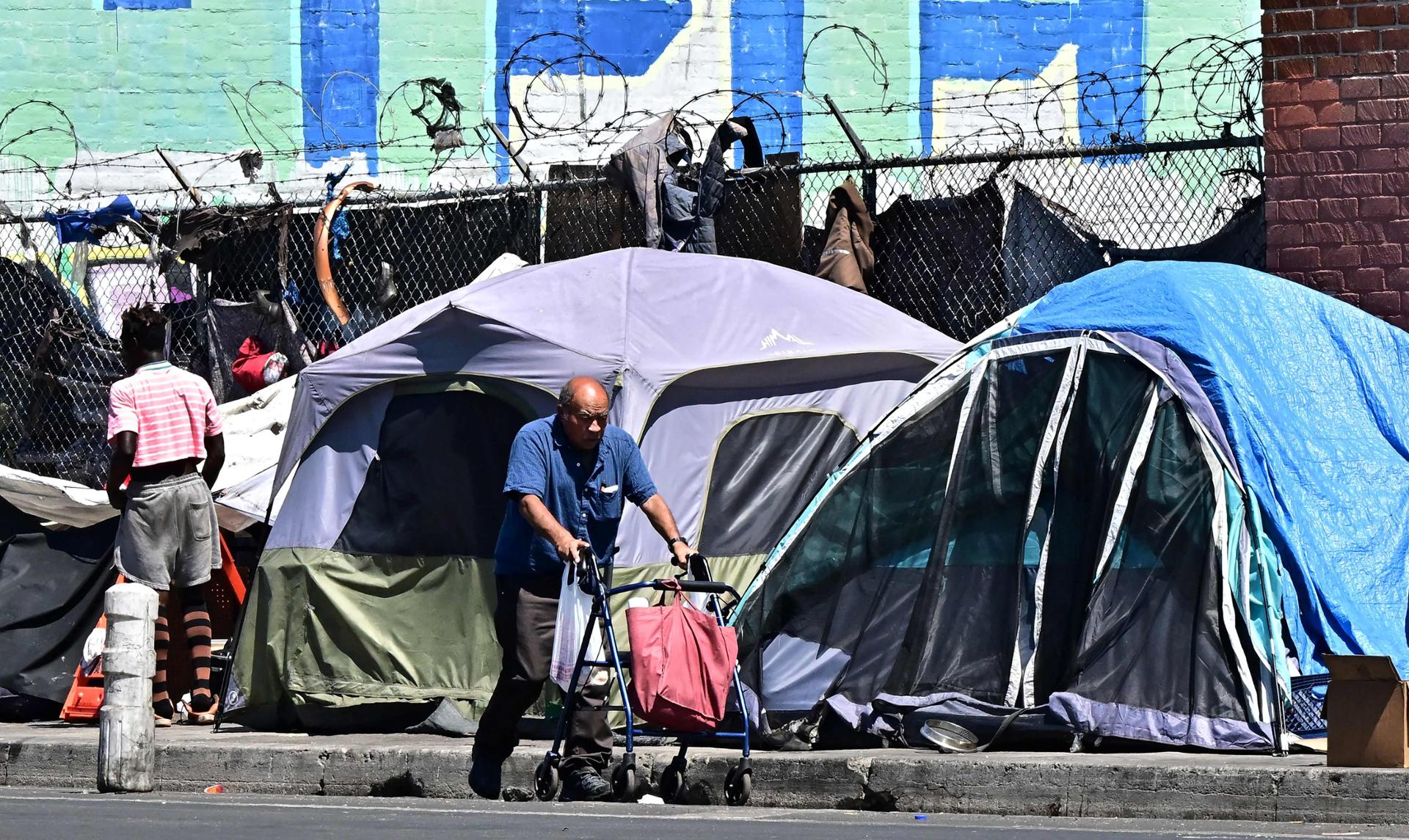
New York Fed survey finds food insecurity in US now exceeds pandemic-era levels
WASHINGTON - More Americans are suffering from hunger this year than during the height of the Covid-19 pandemic, the Federal Reserve Bank of
 koreatimes.co.kr·1mo ago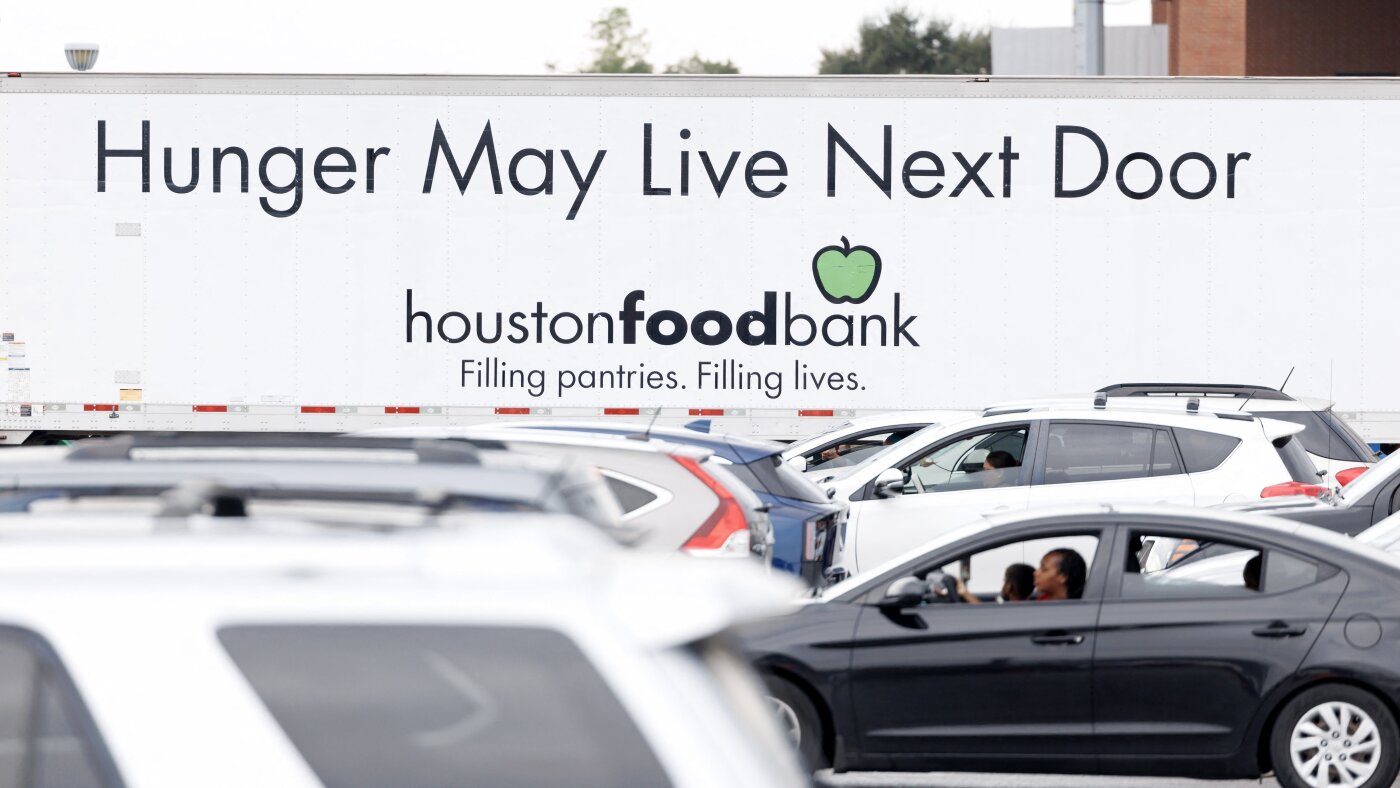
Food insecurity in the US now exceeds pandemic-era levels, New York Fed survey finds
Food insecurity affects more families now than during the coronavirus pandemic, according to a new survey from the Federal Reserve Bank of N
 npr.org·1mo ago
Comments
Sign in to join the conversation.
No comments yet. Be the first.