
























Android's Network Time Toggle Can Help Detect Fake Cell Towers (IMSI Catchers)
The best defense against Stingrays...if your device supports it.
Read the full articleYou might also wanna read

How to enable Android's hidden setting to detect and block fake cell towers (Stingrays)
The best defense against Stingrays ... if your device supports it.
 howtogeek.com·18d ago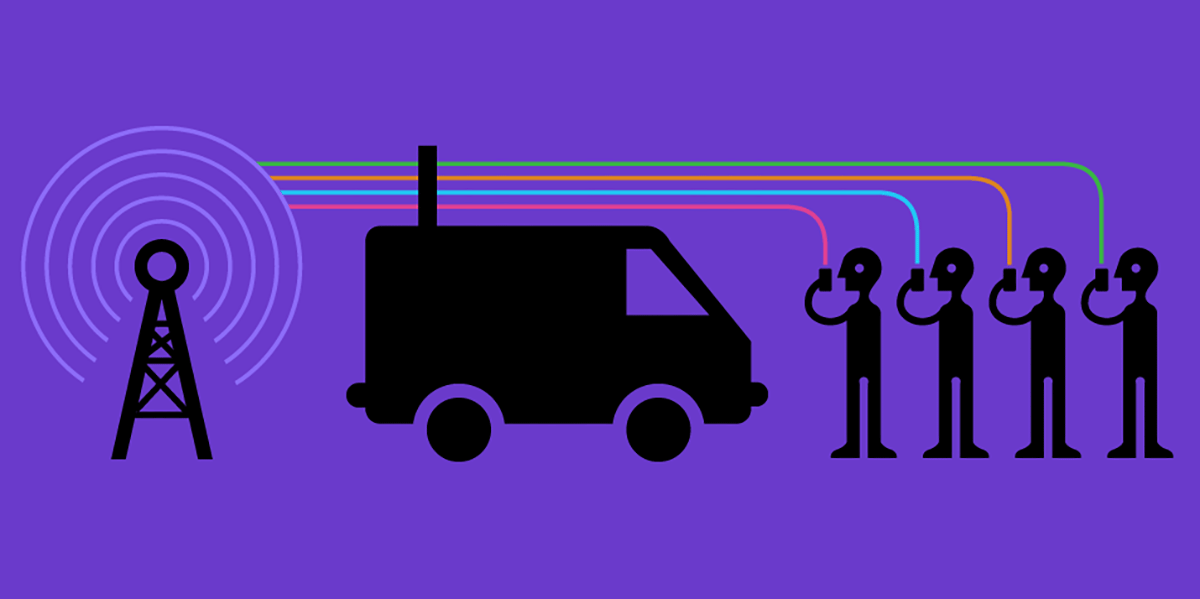
How Cell-Site Simulators (Stingrays) Work and Their Privacy Implications
Cell-site simulators, also known as Stingrays or IMSI catchers, are devices that masquerade as legitimate cell-phone towers, tricking phones
 sls.eff.org·1mo ago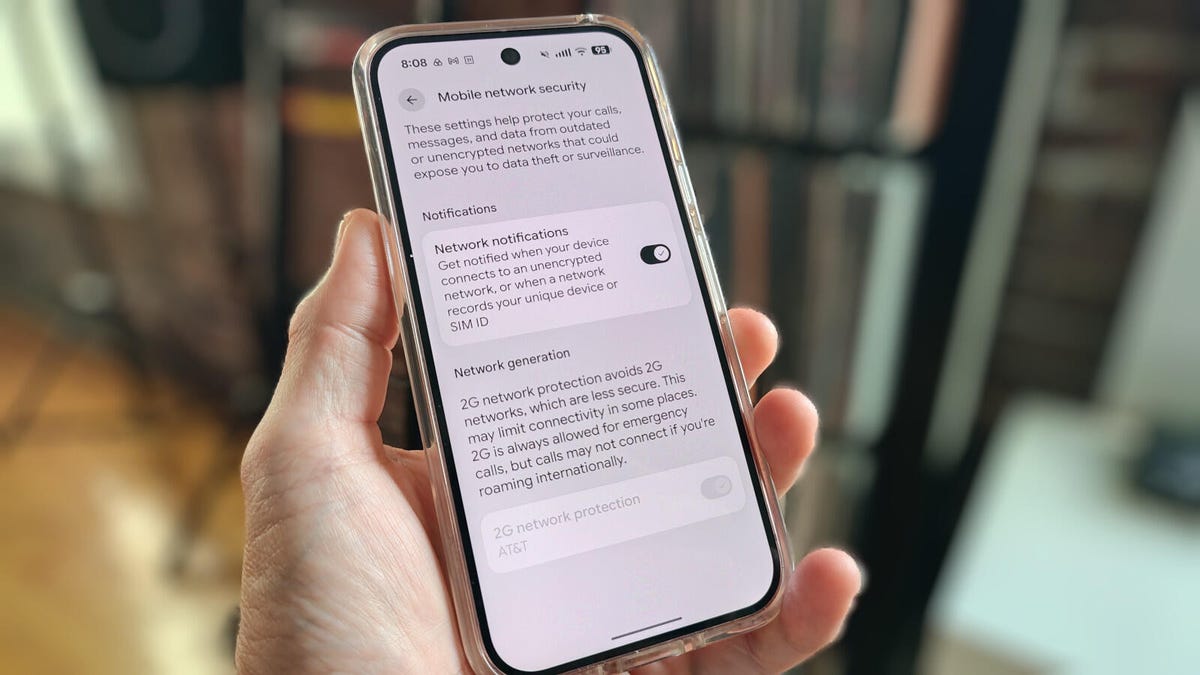
How to enable Android's built-in Wi-Fi security warnings to protect against fake cell towers and unsafe networks
Connecting to the wrong network can put your data at risk. Android can warn you, but only if you allow it.
 zdnet.com·13d ago
I enabled Android's new security feature that detects fake cell towers - here's why
Connecting to the wrong network can put your data at risk. Android can warn you, but you'll have to allow it first.
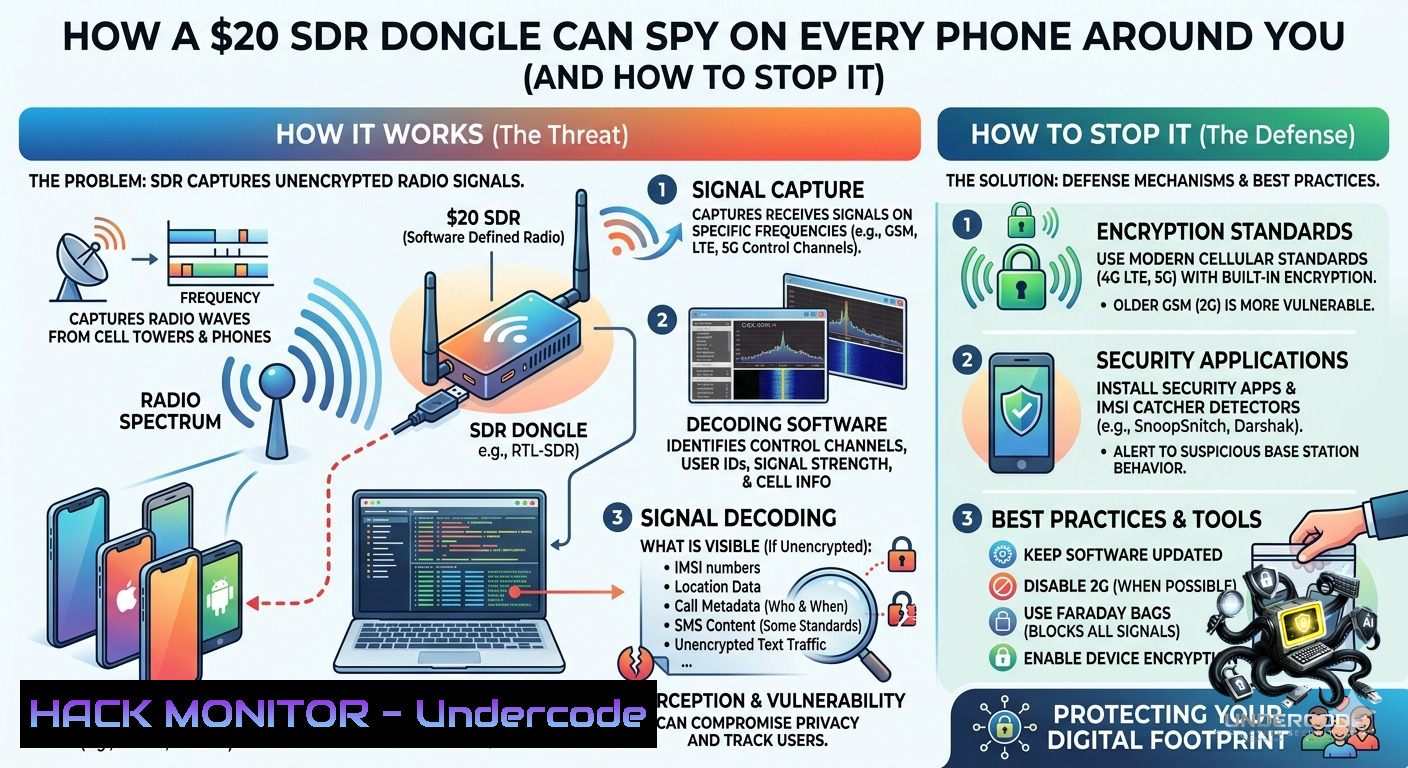
How Inexpensive SDR Dongles Can Intercept Phone IMSI Data and How to Protect Yourself
How a 0 SDR Dongle Can Spy on Every Phone Around You (And How to Stop It) + Video - "Undercode Testing": Monitor hackers like a pro. Get rea
 undercodetesting.com·1mo ago
How to Detect If Your Smartphone Is Being Tapped or Monitored
Have you been infected by spyware? Occasional wonkiness on your phone is to be expected, but these glitches can be a sign someone is listeni
 pcmag.com·1mo ago
Comments
Sign in to join the conversation.
No comments yet. Be the first.