
























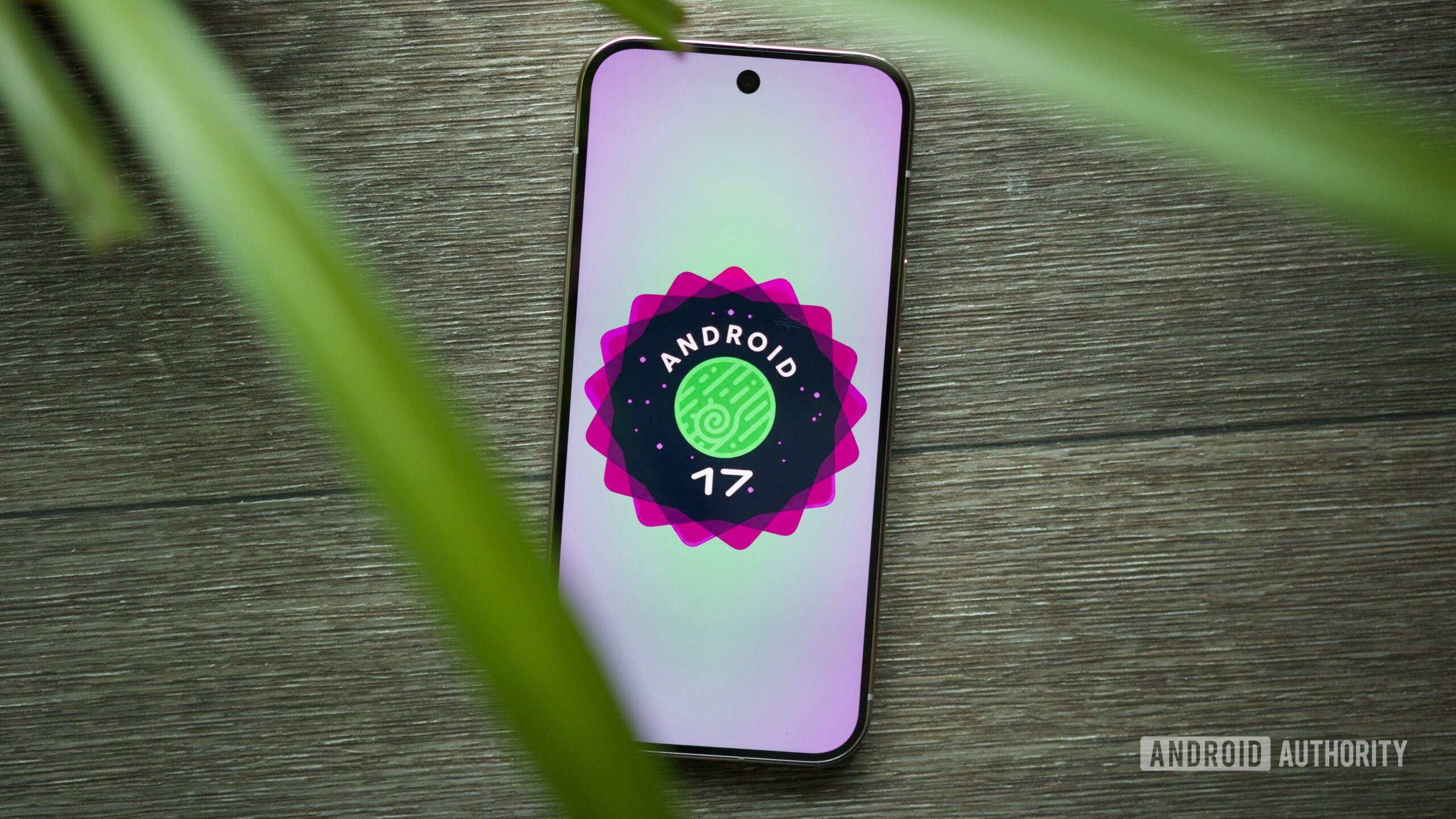
How Google's modular update strategy made Android version upgrades less relevant
By
Zac Kew-Denniss
Summary
The article argues that Android updates have become less significant over time because Google now delivers new features, AI tools (like Gemini), and security patches through Google Play Services and app updates rather than requiring full OS version upgrades. The author contends that Google's shift to modular, app-level updates has made annual Android version updates largely irrelevant for most users, as core functionality improvements arrive independently of the OS update cycle.
Source
 bskyHow Google's modular update strategy made Android version upgrades less relevantandroidauthority.com
Key quotes
· 4 pulledAndroid updates don't matter, at least not in the same way they used to.
The way Google does things in 2026 is not the same as the way it did things back in 2008, and that's not always a bad thing.
New features aren't a part of Android
The minimum requirement to use Gemini is not Android 14.
You might also wanna read


Android 17 Updates Have Lost Their Magic, But Security Gaps Are Worse

Samsung Phone Google App Updates Not Showing in Play Store—Manual Install Guide

Android Ecosystem Closure Highlights Need for Linux Mobile OS Development
The article argues that Linux-based mobile operating systems are becoming increasingly important due to the rapid closure of the Android eco
 feddit.org·9mo ago
Google is still working on a missing Android 17 feature behind the scenes

Google upgrades Gemini for Home to 3.1, enabling multi-step smart home commands
Google has upgraded Gemini for Home to version 3.1, enabling the smart home assistant to handle more complex, multi-step tasks and combine m
 The Verge·2mo ago
Google's AI Features on Android Phones Face Consumer Apathy Challenge
The article examines Google's position in the AI smartphone market, noting that Android already has practical AI features like calendar inte
The Verge·10mo ago
Comments
Sign in to join the conversation.
No comments yet. Be the first.