
























Study Links Ancient Subduction to Formation of Critical Mineral-Rich Carbonatite Deposits
The fertilized mantle lithosphere may play an important first step in the formation of carbonatite deposits, known to host critical minerals.
Read the full articleYou might also wanna read


How Natural Diamonds Form: The Geology of Kimberlite Pipes
Journey of a very old rock.
 diamond.jaydip.me·9d ago
The Natural Formation of Diamonds: From Kimberlite Pipes to Gem-Quality Stones
Journey of a very old rock.
diamond.jaydip.me·2mo agoEvidence for a biological origin of uranium-rich carbon masses within the Ediacaran Salt Range Formation of Pakistan
Thucholites are unique organic structures found in igneous and sedimentary rocks composed of a U-C-rich interior enclosed by an organic oute
Ancient atmospheric oxygen found in iron ore deposits
How do some of geology's most mysterious iron ore deposits form? This question has preoccupied the geosciences for more than a century. An i
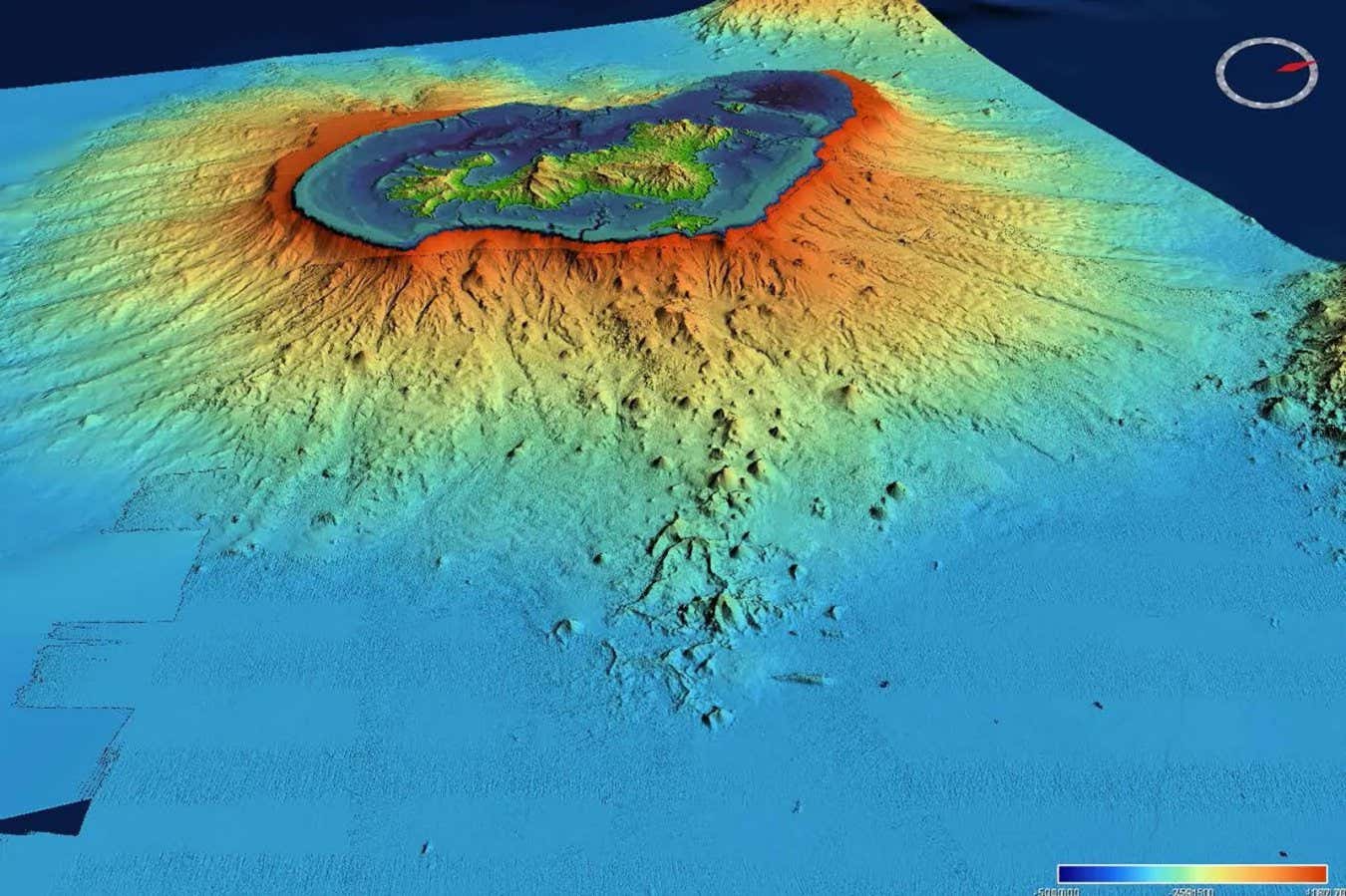
Underwater volcano off Madagascar spews magma containing 4.5-billion-year-old traces of Earth's primordial magma ocean
Earth was once covered by a global magma ocean, which later cooled and crystallised – now traces of this primordial event have been found in
 newscientist.com·13d ago
Traces of Earth's primordial magma ocean discovered in lava from a modern volcanic eruption
In May 2018, the island of Mayotte, between Madagascar and Mozambique, began to experience a series of earthquakes that led to the discovery
Comments
Sign in to join the conversation.
No comments yet. Be the first.