
























 Baker's Take
Ancient worm fossil reveals a right-turning preference that may rewrite the origins of handedness

By
Mr Bagel
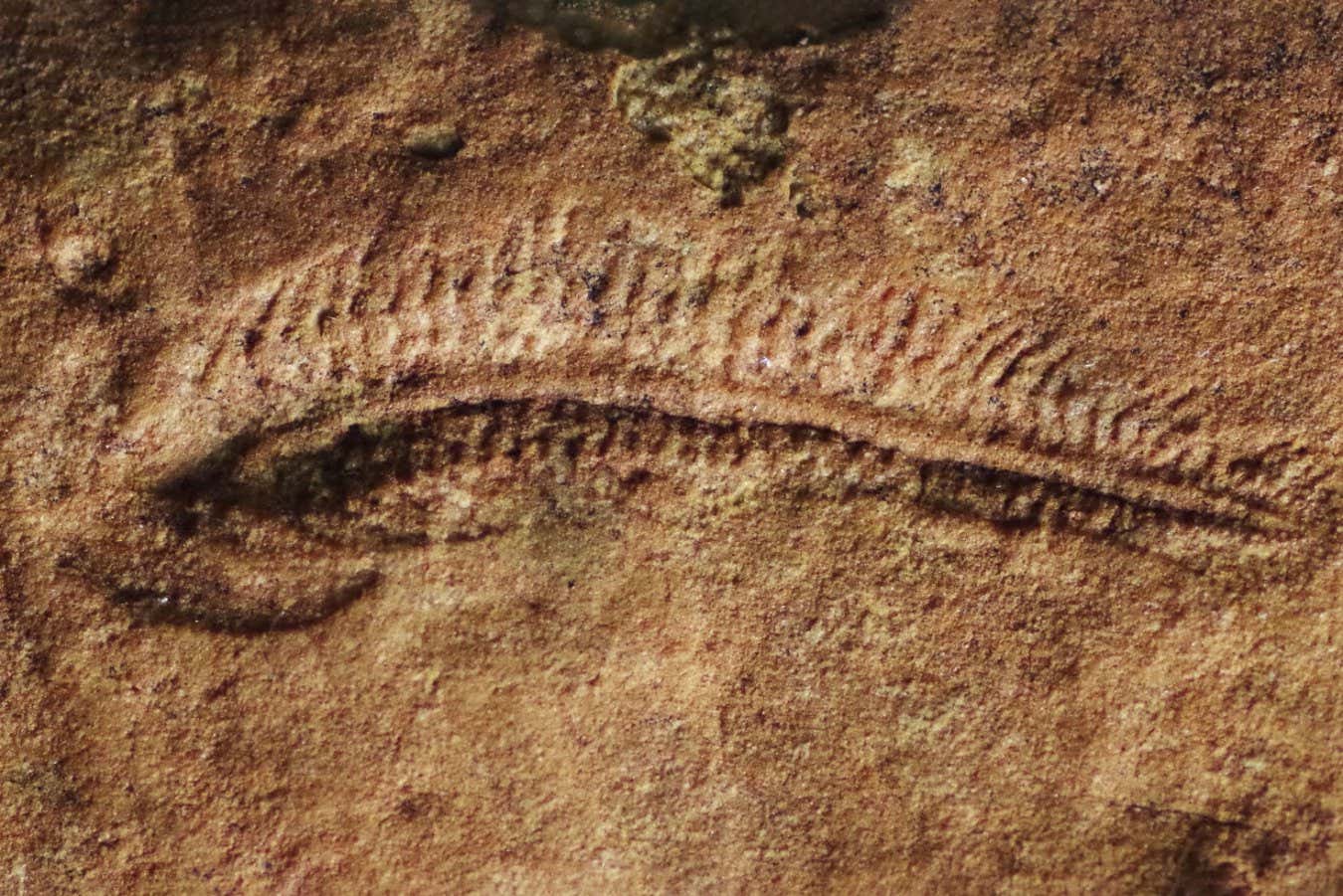
Scientists have identified what may be the earliest known example of handedness in the animal kingdom, preserved in a fossilized worm that lived more than 550 million years ago. The organism, Spriggina floundersi from the Ediacaran Period, shows a consistent tendency to turn to the right, a behavior that suggests a level of neurological complexity far older than previously understood.
According to New Scientist, the 555-million-year-old fossil provides the earliest evidence of handedness in animals. The report noted that this preference for one side over another indicates an advanced nervous system that predates the Cambrian Period by millions of years.
"This preference for one side over another indicates an advanced nervous system that predates the Cambrian Period by millions of years."

The finding challenges assumptions about when complex neurological traits emerged, pushing back the timeline for such capabilities in mobile, free-living organisms by a substantial margin.
Phys described the fossil as potentially revealing "the animal kingdom's earliest right-handedness," dating to about 550 million years ago. The discovery adds a behavioral dimension to the Ediacaran fossil record, which has long been studied for its bizarre body plans but rarely for evidence of lateral preferences.
Together, the reports underscore how a simple turning bias in a worm-like creature can reshape scientific understanding of the evolution of nervous systems and handedness, traits once thought to have arisen much later in the history of life.
The reporting
5 outlets covered this story. Each links to the original.
Comments
Sign in to join the conversation.
No comments yet. Be the first.