
























Ancient Calcite Cements Explain Why Roman Concrete Lasted for Millennia
Long-term carbonate mineralization helped preserve a 2nd-century Roman concrete sample from Hadrian’s Villa by forming calcite cements that filled pores, fractures, and microcracks. The study shows…
Read the full articleYou might also wanna read


The secret of the longevity of Roman concrete
The concrete used by the Romans two thousand years ago has always fascinated science, as it allowed an architectural revolution with which b
The secret of the longevity of Roman concrete
The concrete used by the Romans two thousand years ago has always fascinated science, as it allowed an architectural revolution with which b
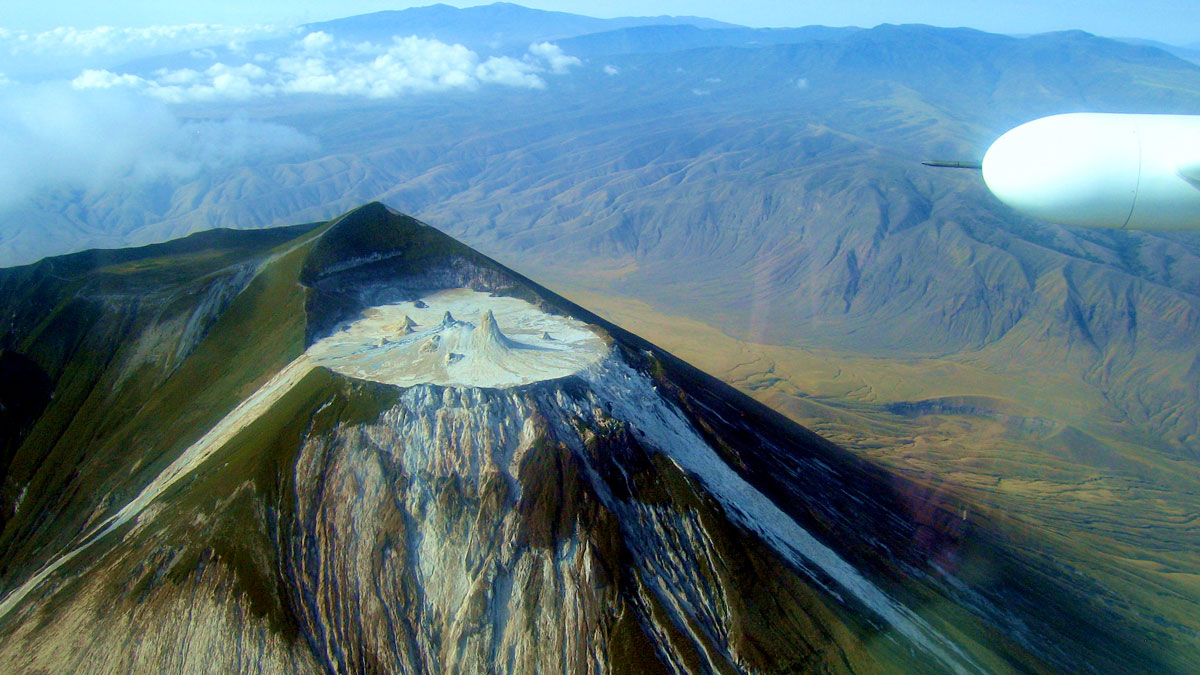
Study Links Ancient Subduction to Formation of Critical Mineral-Rich Carbonatite Deposits
The fertilized mantle lithosphere may play an important first step in the formation of carbonatite deposits, known to host critical minerals
 eos.org·1mo ago
Hidden underground chamber revealed beneath home of legendary Roman emperor
Archaeologists recently found Roman concrete vault impressions and ceramic artifacts inside a sealed chamber predating Emperor Hadrian's imp
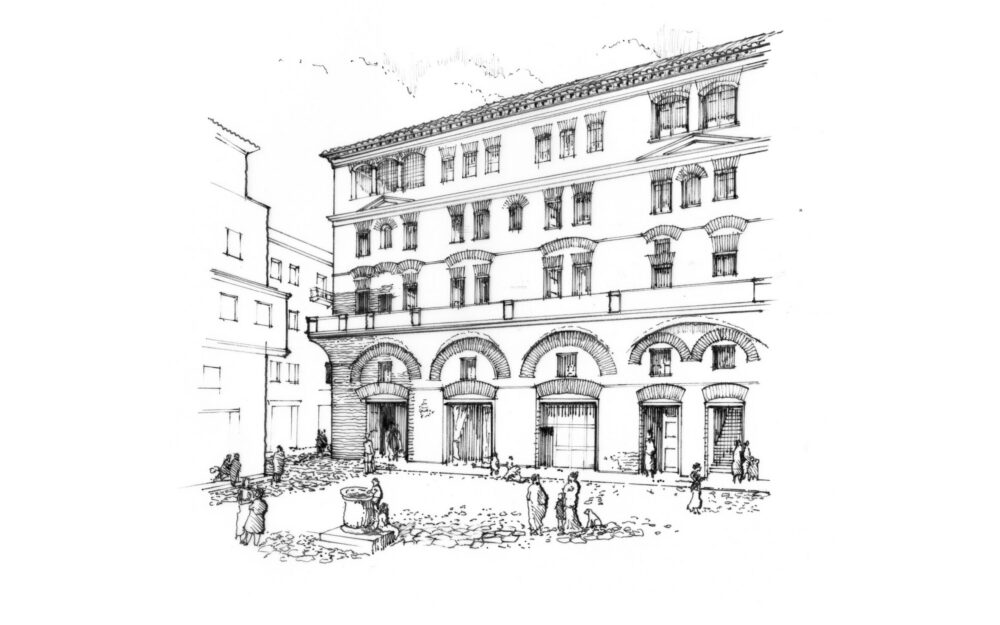
Roman Insulae: Ancient High-Density Urban Living 2,000 Years Ago
An excerpt from the new book Dwelling on Earth: The Past and Future of the Places We Call Home.
 commonedge.org·1mo ago
Ancient rocks reveal how water reshaped Earth's interior 3.1 billion years ago
Geologists studying some of the planet's oldest volcanic rocks have uncovered new evidence that water was playing a major role in shaping Ea
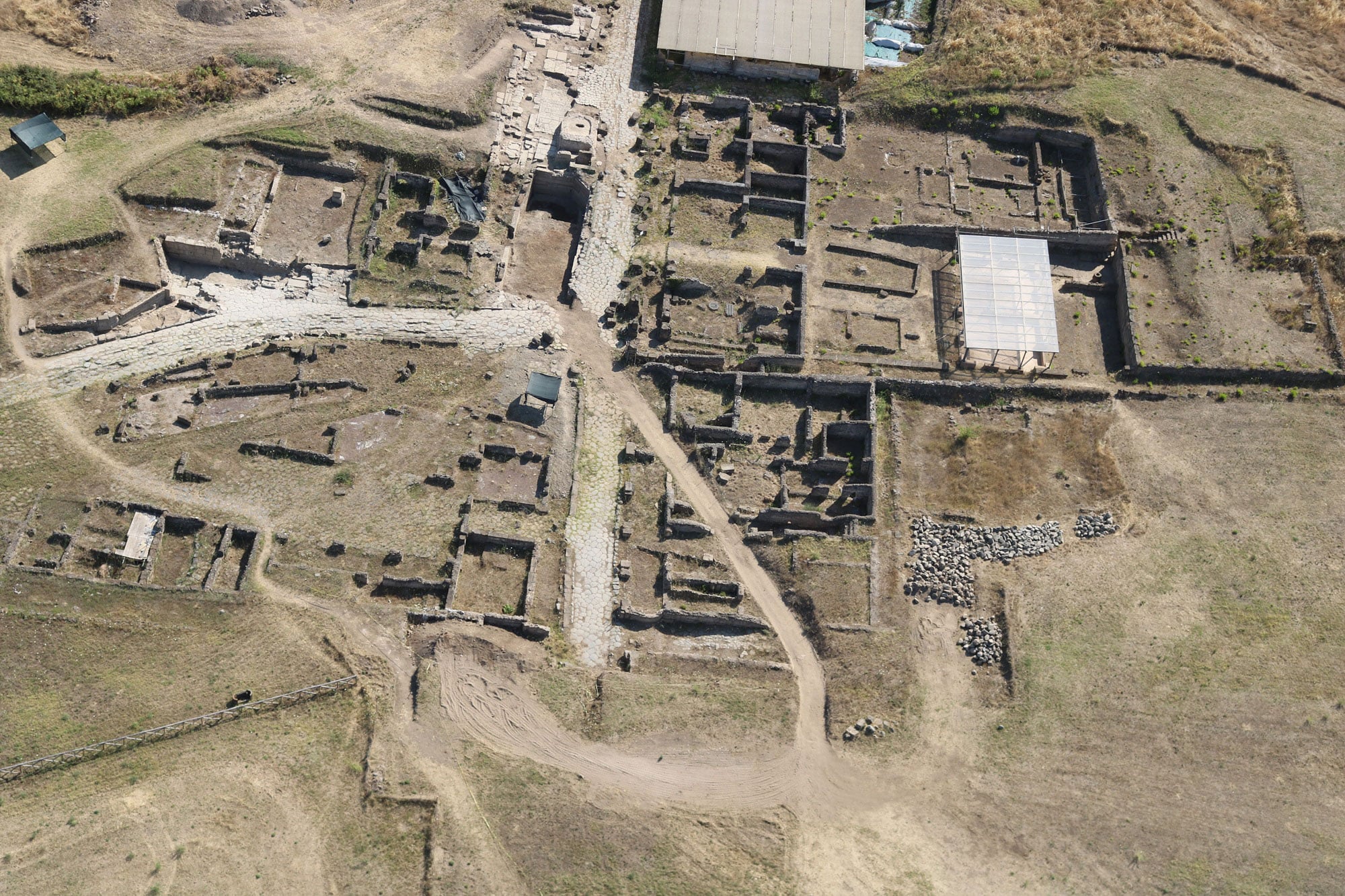
Archaeologists Discover 2,250-Year-Old Monumental Basin in Ancient Roman City of Gabii
A newly discovered monumental basin in Gabii hints at how early Romans experimented with city planning long before Rome’s own layers were bu
Comments
Sign in to join the conversation.
No comments yet. Be the first.