
























Analyzing the Affordability Gap: Why Economic Recovery Data Doesn't Match Consumer Sentiment
There are many ways inflation makes people worse off even when real incomes recover, especially for essentials.
Read the full articleYou might also wanna read


Hidden fees and insurance costs may explain why Americans feel the economy is worse than data suggests
Why do so many Americans think the economy is bad? Hidden fees, insurance costs, and inflation measures may miss what households experience.
 cepr.net·20d ago
Seeing Through the Shutdown’s Missing Inflation Data
Data releases for inflation have been scarce over the past four months due to the government shutdown. As a result, until January 22 no pers
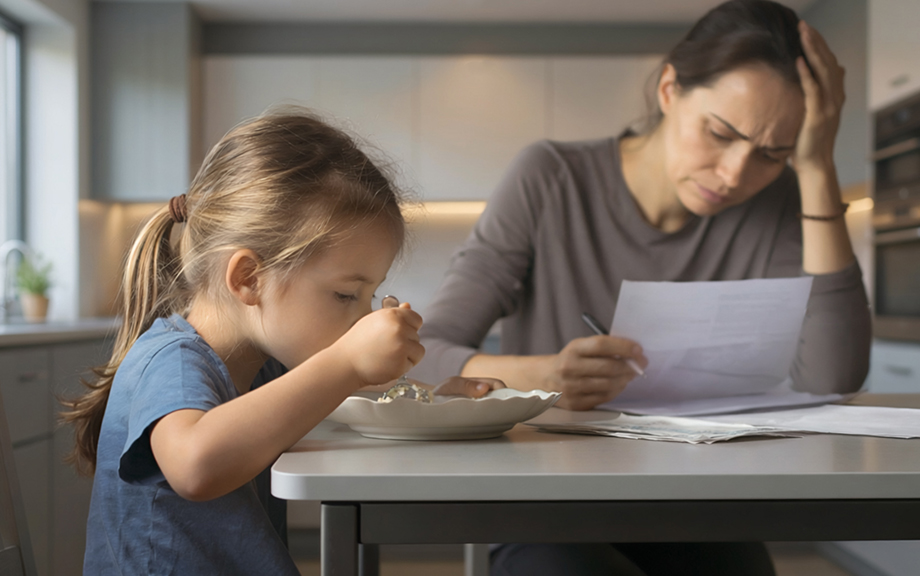
Food Insecurity and Consumer Pessimism: The Economic Divide in America
A look at the food insecurity and consumer pessimism facing large segments of the U.S. population using data from the Survey of Consumer Exp
Food Insecurity and Consumer Pessimism: The Economic Divide in America
A look at the food insecurity and consumer pessimism facing large segments of the U.S. population using data from the Survey of Consumer Exp
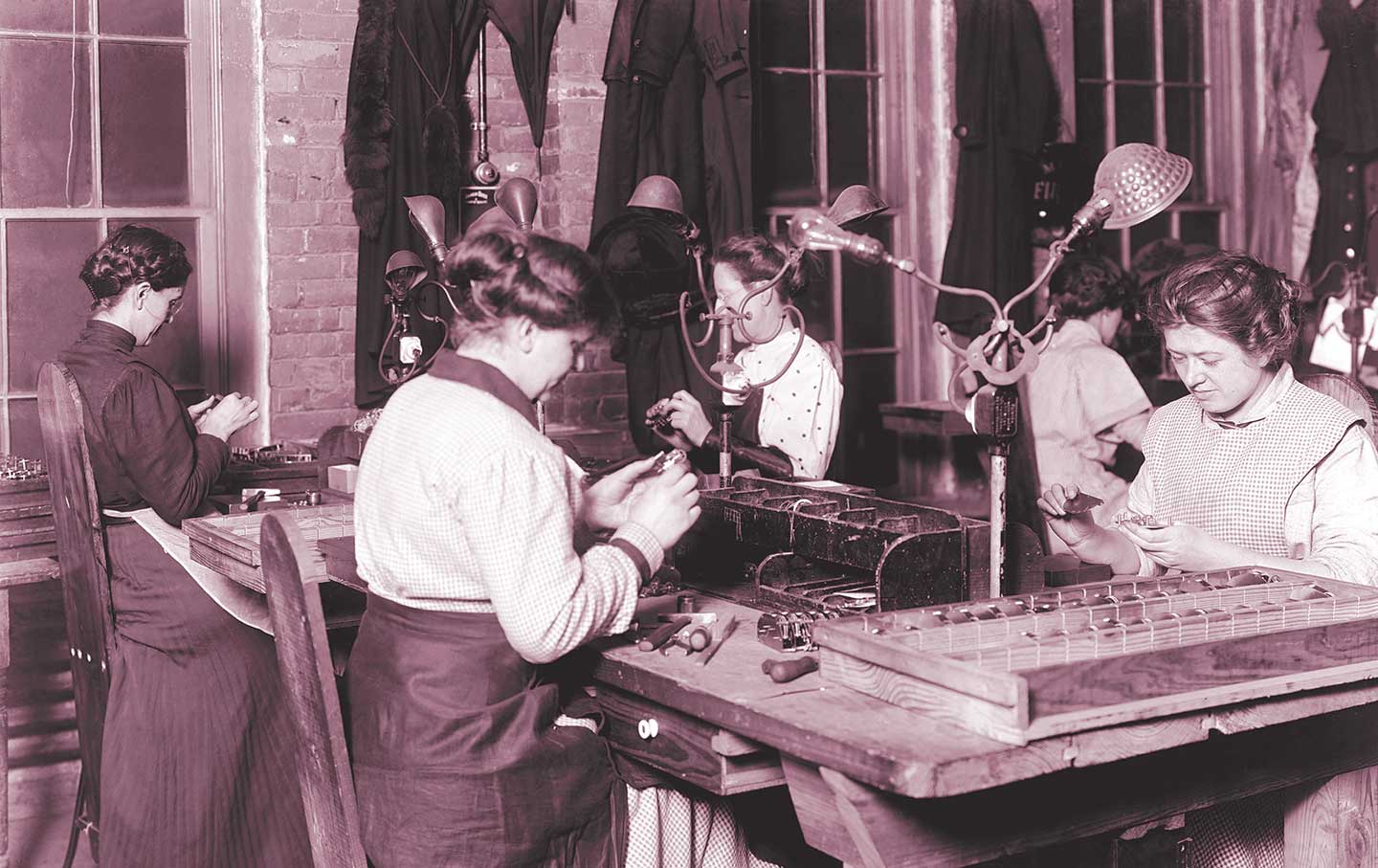
What Is the American Economy? Examining the Gap Between Economic Indicators and Lived Experience
The gap between what the numbers say and how people are feeling has only grown wider.
 thenation.com·13d ago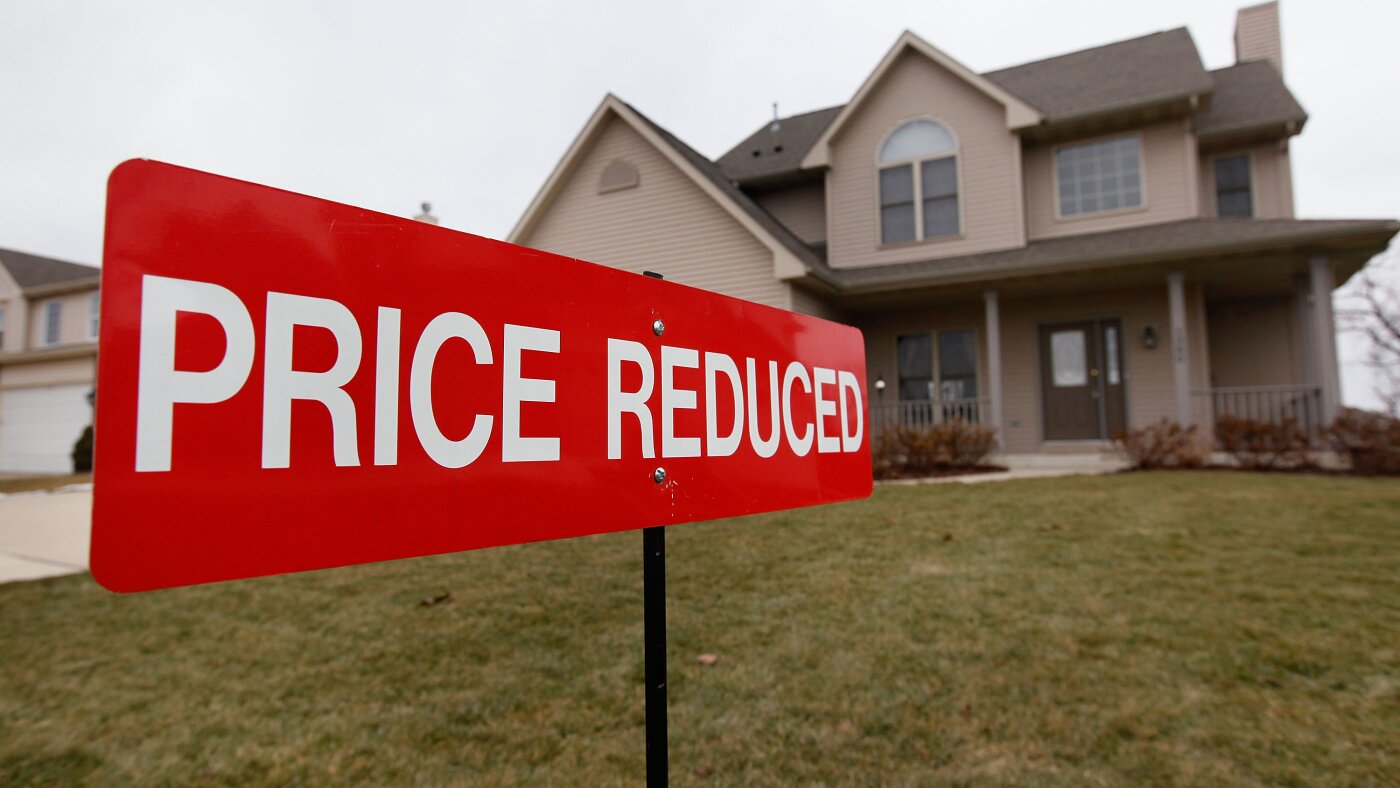
When falling housing prices signal good news vs. economic trouble
Denver renters are celebrating falling housing costs. But sometimes cheaper housing is a sign of economic decline. How can you tell the diff
 npr.org·23d ago
WIRED Survey: Americans Overwhelmingly Cite Housing Affordability as Top Concern
WIRED surveyed readers on their housing costs. The answers paint a stark portrait of unaffordability, climate adaptation, and the death of t
 Wired·1mo ago
Comments
Sign in to join the conversation.
No comments yet. Be the first.