
























 Baker's Take
High prices and aging hardware set to drive console shipments to 33.9 million in 2026, analyst forecasts

By
Mr Bagel
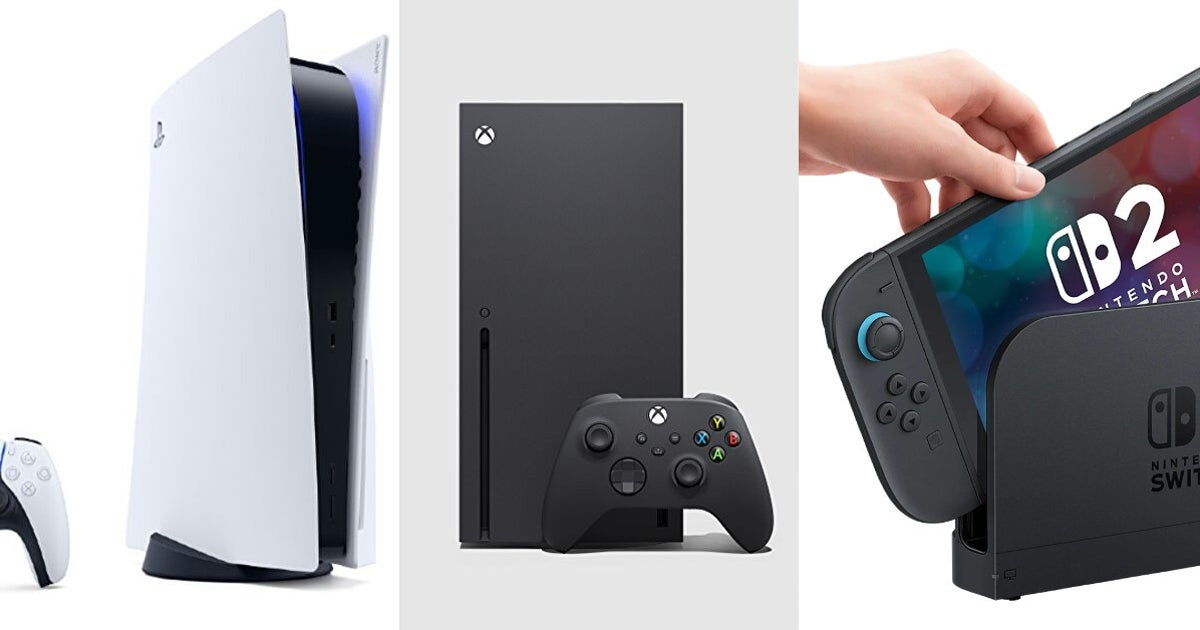
Global shipments of home gaming consoles are expected to fall 19.5 percent in 2026 to 33.9 million units, according to a new forecast from S&P Global Market Intelligence Kagan reported across multiple outlets. The decline reverses gains from the launch of the Nintendo Switch 2 and comes as consumers face higher prices for PlayStation 5 and Xbox Series consoles, which are now several years old. GamesIndustry.biz noted that the drop is attributed primarily to ongoing RAM and storage component costs, making consoles less affordable for many buyers.

"The market faces a compounding problem: hardware that's either too old or too expensive for consumers [and] a thin software slate outside a handful of tentpole [releases]."
S&P analysts expect shipments to fall again in 2027 to 27.1 million units before staging a recovery that reaches 37.4 million units by 2030, according to VGChartz. The recovery hinges on a critical assumption, as reported by famiboards: "that the component crisis eases sufficiently by 2028 to allow Sony and Microsoft to bring next-generation hardware to market at price points likely to spur another upgrade cycle."
Channelnews emphasized that the downturn reflects a broad consumer pullback, with rising prices, ageing platforms, and a lack of blockbuster software all blamed for weakening demand. The forecast covers Sony, Microsoft, and Nintendo consoles, meaning the decline is not expected to spare any of the three major platform holders, even as the Switch 2 enjoyed strong initial sales in 2025.
Gamereactor pointed out that the report criticizes the overall strategies across the console makers and highlights a lack of games that extends even to the Switch 2, where new titles in Nintendo's biggest franchises remain sparse. The thin software slate beyond a few tentpole titles exacerbates the hardware pricing problem, creating a cycle where consumers see little reason to upgrade or buy into the current generation.
"A critical assumption underlying our forecast's recovery period later in the decade is that the component crisis eases sufficiently by 2028 to allow Sony and Microsoft to bring next-generation hardware to market at price points likely to spur another upgrade cycle."
If the component crisis does not ease by 2028, the projected recovery to 37.4 million units in 2030 would be at risk. For now, the immediate outlook is a notable contraction in one of gaming's core business segments, with high prices and aging hardware combining to push shipments down by nearly a fifth in the coming year.
The reporting
5 outlets covered this story. Each links to the original.


Comments
Sign in to join the conversation.
No comments yet. Be the first.