
























An extragalactic supernova remnant
Charles Pevsner, taken from Rio Hurtado, Chile LHA 120-N 40 is the glowing debris of a star that exploded in the Large Magellanic Cloud, the Milky Way satellite galaxy about 163,000 light-years away…
Read the full articleYou might also wanna read

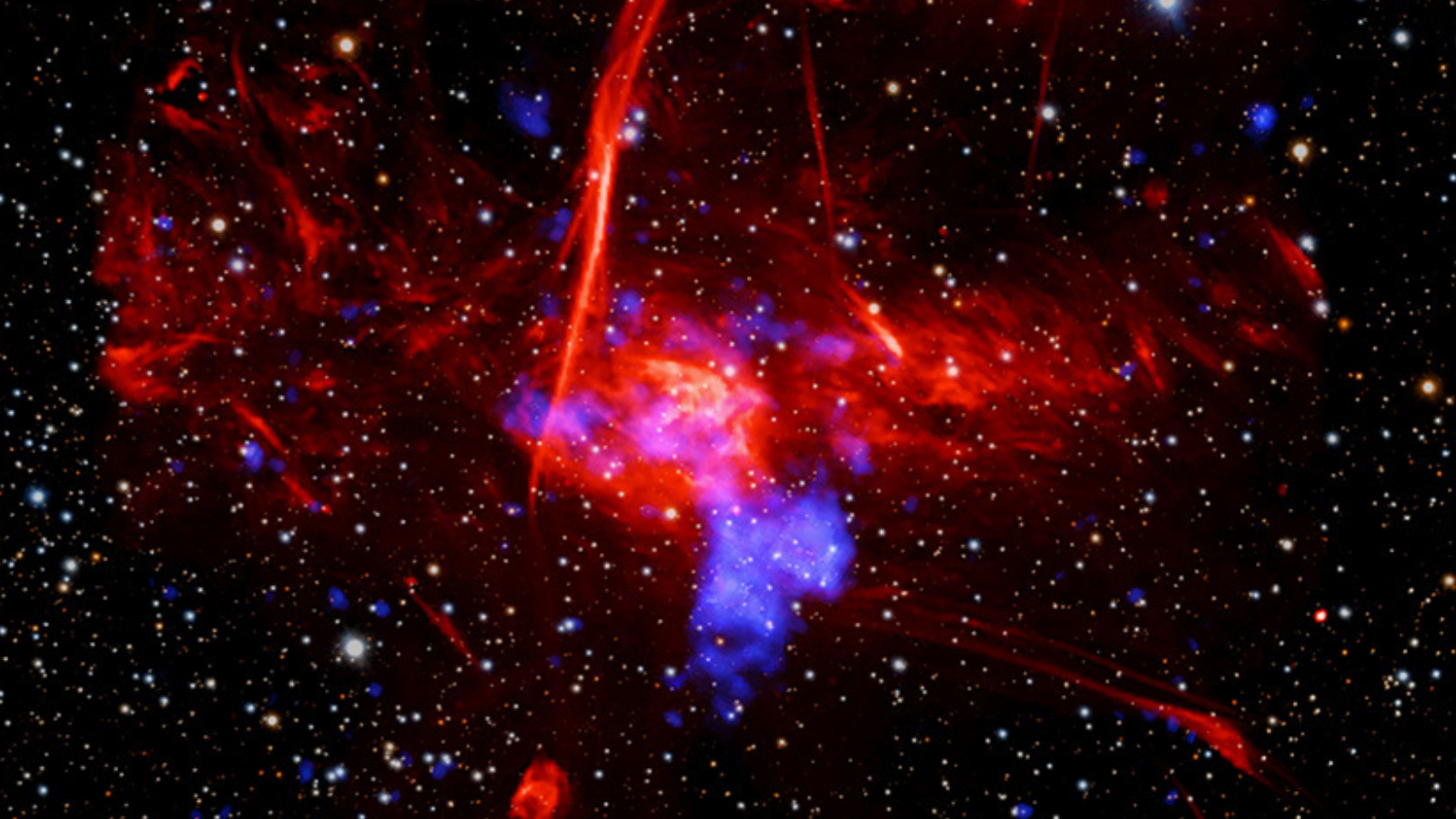
NASA's Chandra X-ray Observatory detects supernova debris near Milky Way's supermassive black hole
The dead star erupted around 1,700 years ago. It ejected material at around 2 million miles per hour.
 space.com·24d ago
Newborn stars preserve organic-rich gas within ancient supernova debris
For the first time, astronomers have discovered stellar cocoons rich in complex organic molecules within a supernova remnant. A research tea
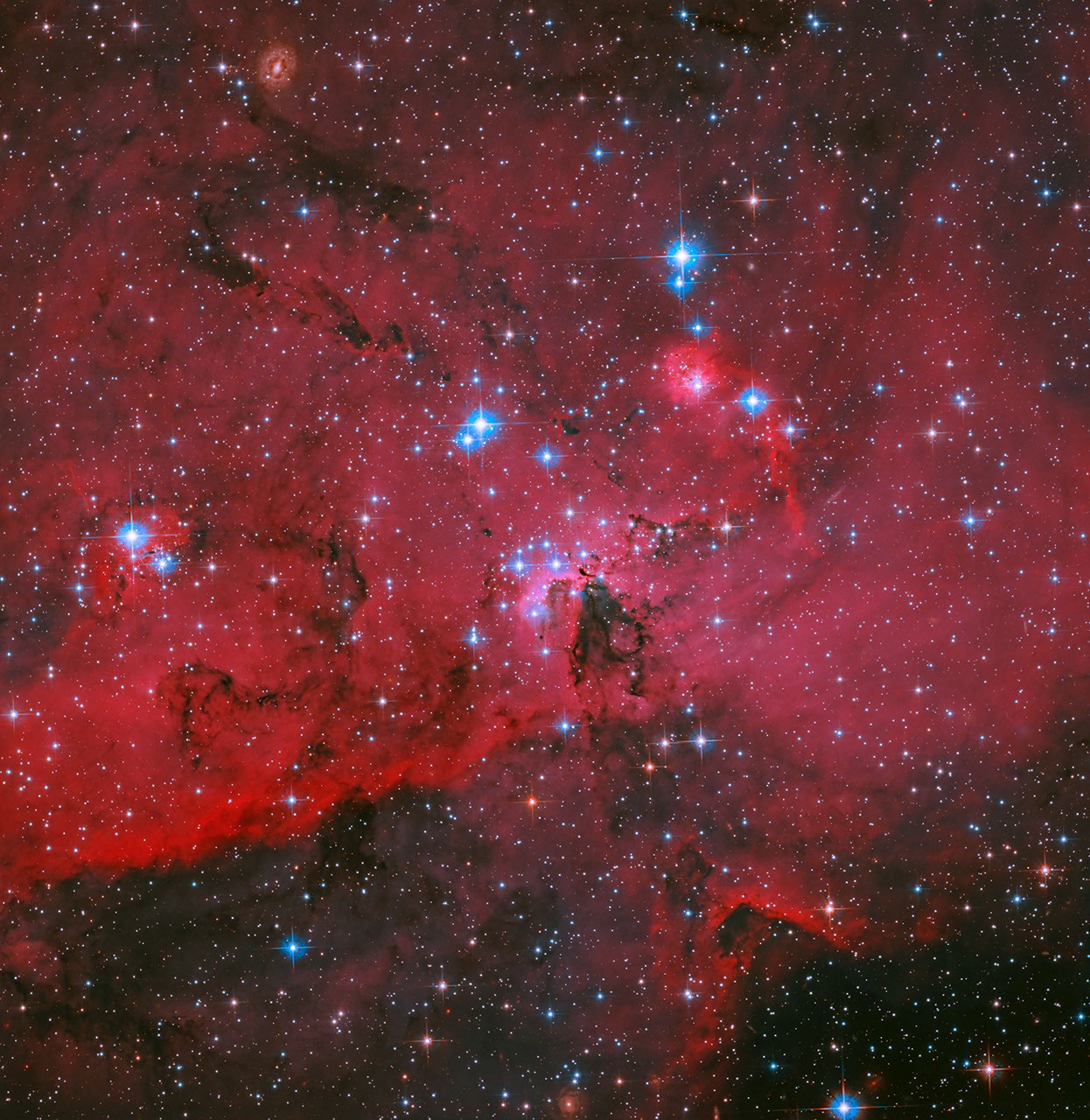
Hubble captures stellar nursery LH 95 in the Large Magellanic Cloud
Blue and white stars shine brightly against glowing crimson gas in this image of stellar nursery LH 95 from NASA’s Hubble Space Telescope.
 go.nasa.gov·6d ago
Hubble captures stellar nursery LH 95 in the Large Magellanic Cloud
Blue and white stars shine brightly against glowing crimson gas in this image of stellar nursery LH 95 from NASA’s Hubble Space Telescope.
go.nasa.gov·6d ago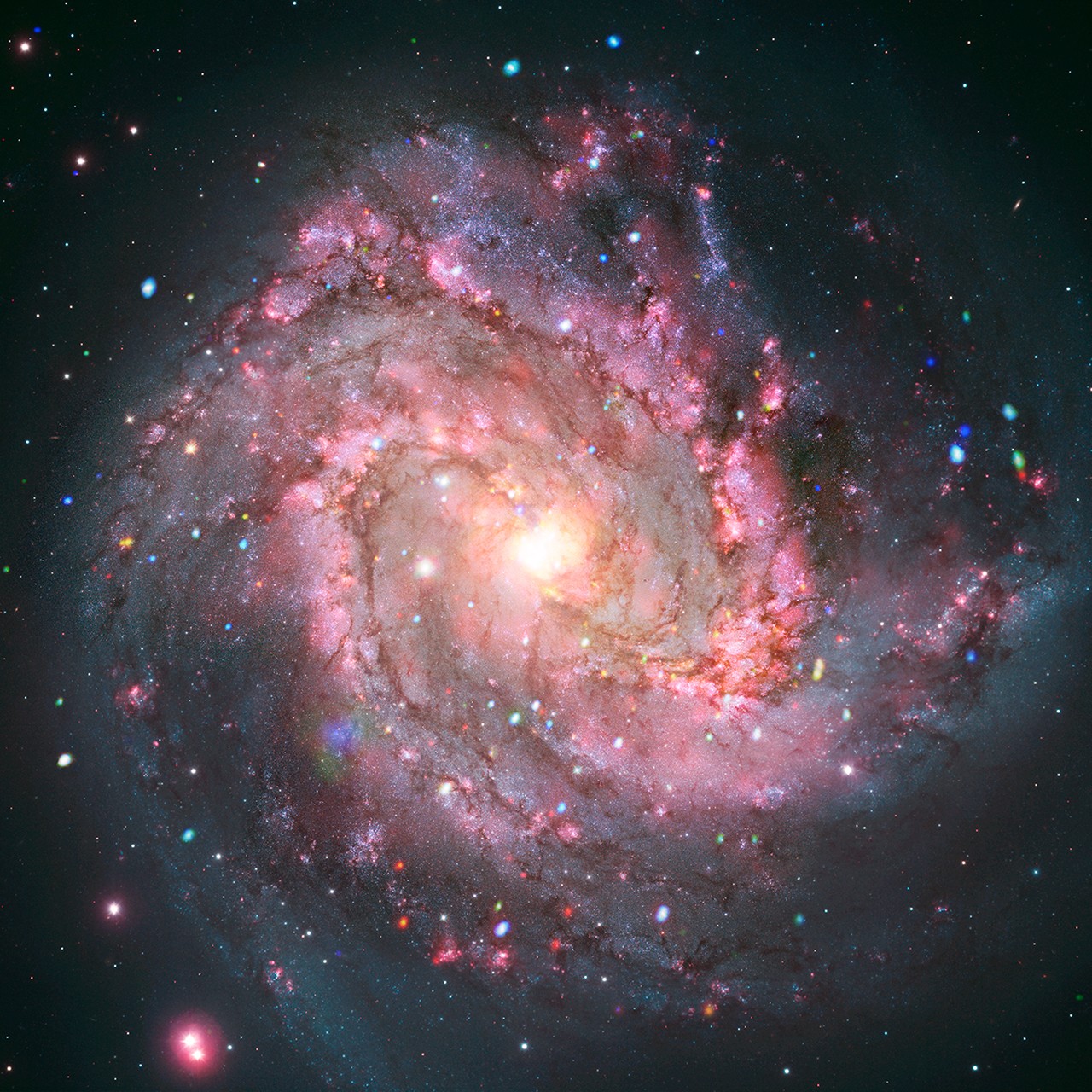
NASA's Chandra Observatory Discovers Unexpected Brightness Changes in Supernova Remnants in Galaxy M83
Over a 14-year period from 2000 to 2014, astronomers pointed NASA’s X-ray observatory at the M83 galaxy. They discovered that about half of
science.nasa.gov·20d agoBehold this jaw-dropping cosmic smash-up, captured in stunning detail by the legendary Hubble Space Telescope. What looks like a single, glowing masterpiece is actually Arp 81 — a high-speed galactic
Behold this jaw-dropping cosmic smash-up, captured in stunning detail by the legendary Hubble Space Telescope. What looks like a single, glo
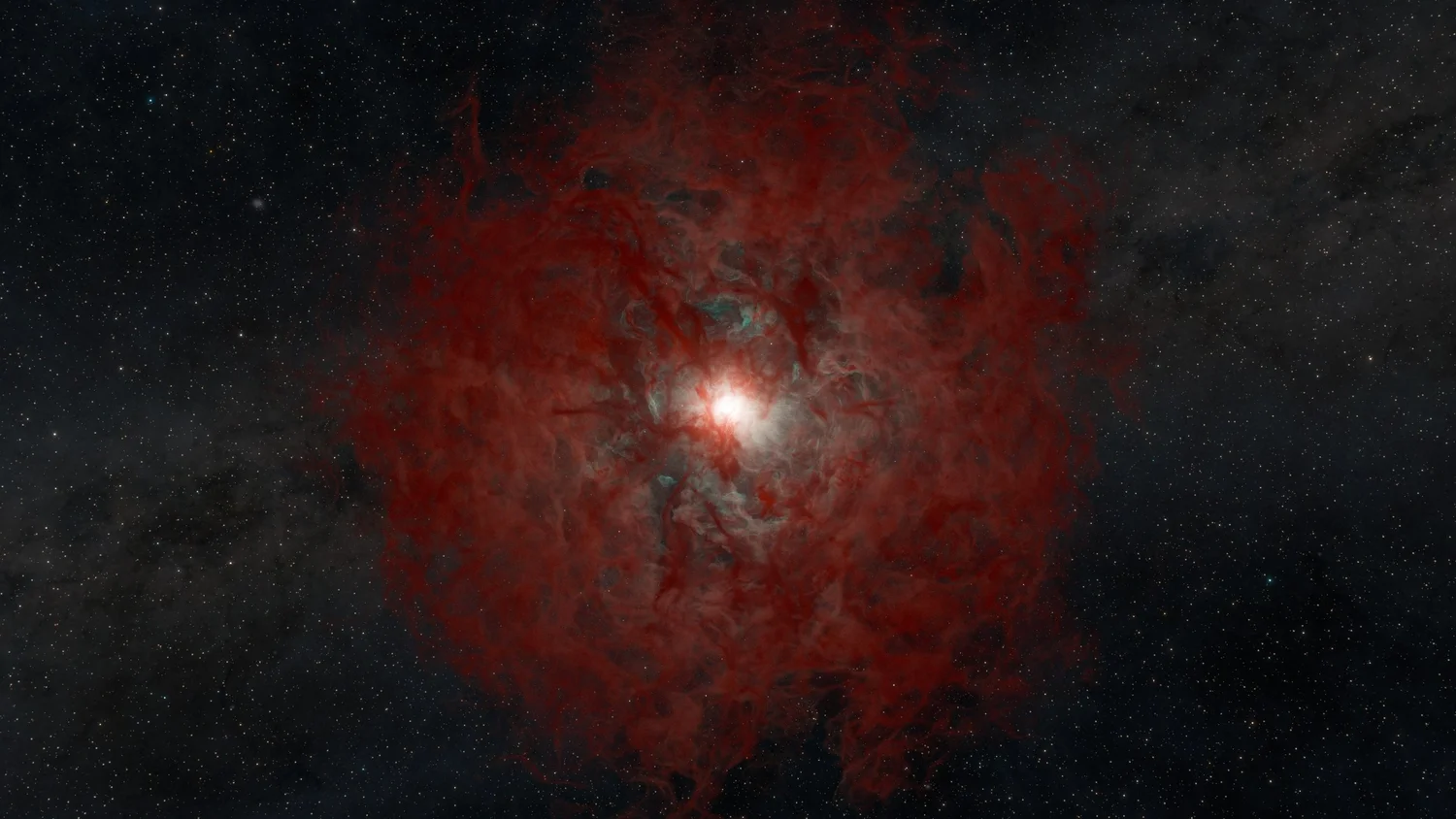
Astronomers observe star in Andromeda vanish, likely forming a black hole without a supernova
A brilliant star in our nearest galactic neighbor didn’t go out with a bang, it simply faded from sight, leaving scientists to piece togethe
 universal-sci.com·15d ago
Comments
Sign in to join the conversation.
No comments yet. Be the first.