
























An Anthropologist Explains Why Skeletal Sex Is an Estimate, Not a Certainty
By
Caroline VanSickle
Summary
An anthropologist who studies sex differences in the human skeleton pushes back against the popular meme that "if an anthropologist finds your bones, they will say you are either male or female." The article explains that skeletal sex estimation is probabilistic, not deterministic — anthropologists estimate sex based on traits that exist on a spectrum, and many skeletons are classified as "indeterminate." The author argues that biological sex is not a strict binary and that anthropological methods actually reveal the limitations of binary claims about human identity, supporting a more nuanced understanding that includes trans and gender nonbinary individuals.
Source
 bskyAn Anthropologist Explains Why Skeletal Sex Is an Estimate, Not a Certaintyprosocial.world
Key quotes
· 3 pulledHundreds of years from now, if an anthropologist finds your bones, they will say you are either male or female.
I can tell you that my ability to estimate (not determine!) the sex of a skeleton from 100 years ago is limited by the pr
Biological traits, like one's skeleton, are more meaningful than a person's lived identity.
You might also wanna read


Interview: Evolutionary Psychology, Sex Differences, and the Nature-Nurture Debate
An interview with the author of "A Billion Years of Sex Differences" discussing evolutionary psychology, the interplay of nature and nurture
 stevestewartwilliams.com·7d ago
Critique of heritability estimates: How redefining the concept inflates life span heritability figures
This article critically examines the concept of heritability in human life span, arguing that the commonly cited figure of 50% heritability
 dynomight.net·1mo ago
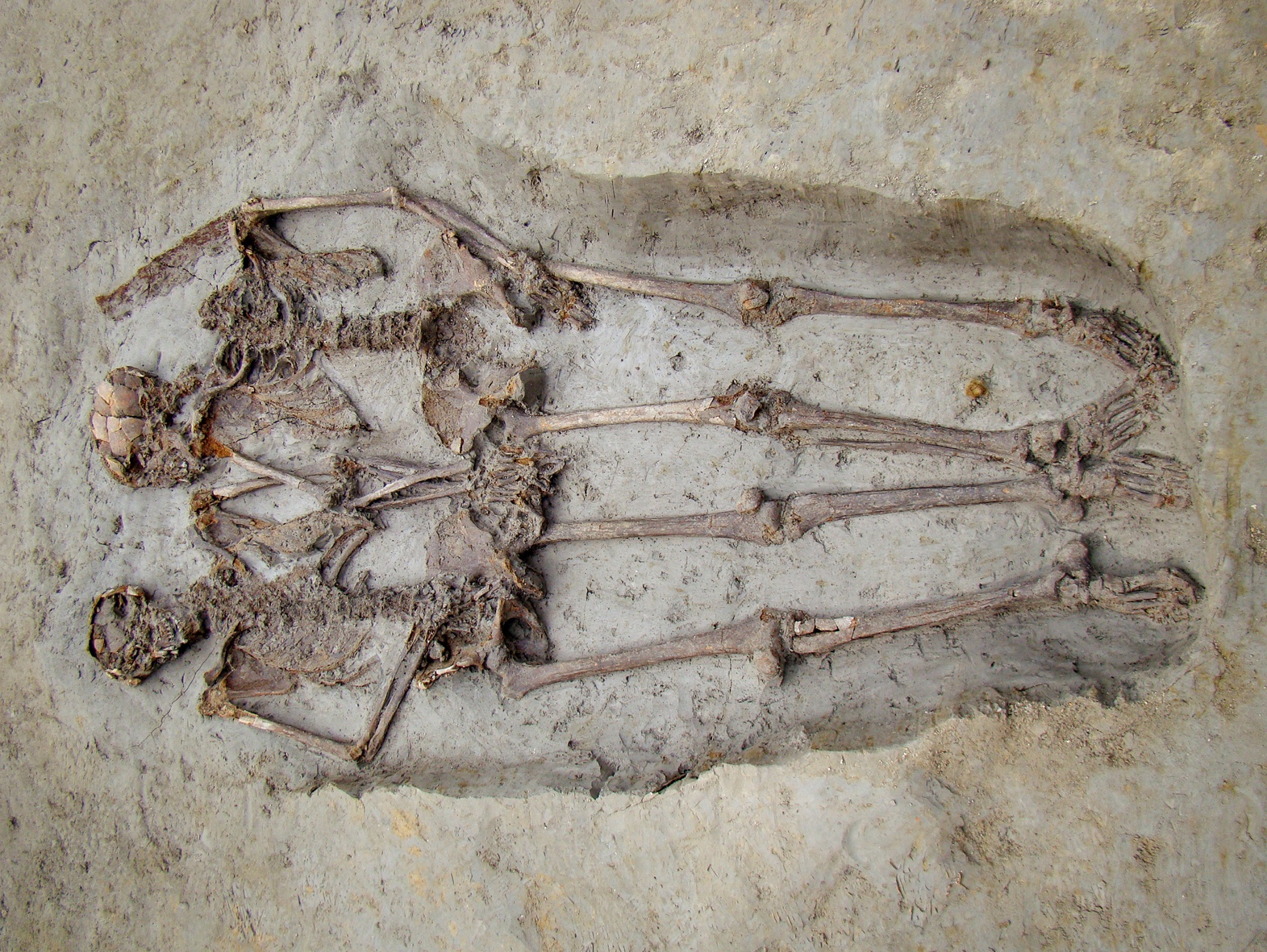
The Assumptions We Make About Ancient Skeletons Found Embracing
A reflective and somewhat satirical essay exploring how modern people project romantic narratives onto ancient skeletons found embracing in
 Defector·1mo ago
Alice Roberts on human evolution: why our species is not as exceptional as we think
Professor Alice Roberts, a biological anthropologist and broadcaster, discusses human evolution and challenges the notion of human exception
 newscientist.com·7d ago
The Gender Attractiveness Gap

Understanding Grammatical Gender: Why Nouns Have Gender in Some Languages
This article explains the concept of grammatical gender in languages, addressing why nouns are classified as 'male' and 'female' in language
 Duolingo·3mo ago
Comments
Sign in to join the conversation.
No comments yet. Be the first.