
























Can 18th-Century American Democracy Survive 21st-Century Technology?
By
Jeffrey Rosen
Summary
This article examines whether America's 18th-century constitutional institutions and democratic frameworks can survive the challenges posed by 21st-century technology, particularly the modern information environment. Drawing on the Founders' original vision from the Constitutional Convention and Federalist Papers, the piece argues that the information ecosystem of the late 1700s—slow, localized, and print-based—fundamentally shaped the design of American democracy. The article contends that today's digital information environment, with its speed, virality, algorithmic amplification, and susceptibility to disinformation, places unprecedented strain on governance structures built for a completely different era. It explores how social media, echo chambers, and the erosion of shared facts undermine the deliberative democracy the Founders envisioned, raising the question of whether the constitutional system can adapt or whether it is fundamentally mismatched with modern technological realities.
Source
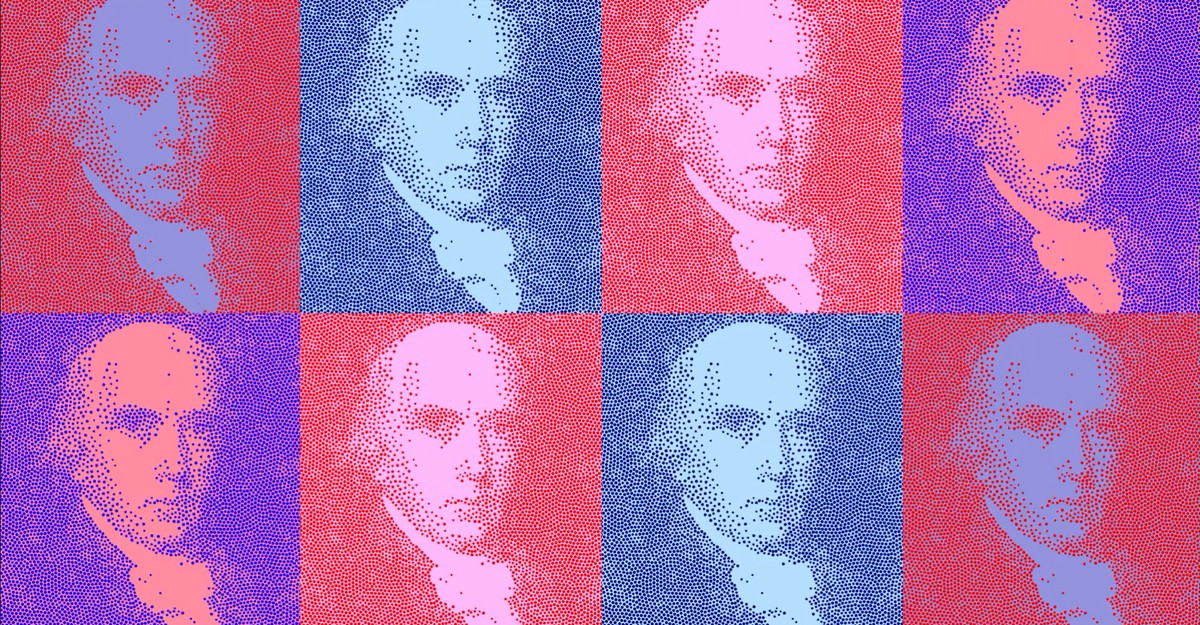
 bskyCan 18th-Century American Democracy Survive 21st-Century Technology?theatlantic.com
Key quotes
· 3 pulledThe American experiment would 'decide the important question, whether societies of men are really capable or not of establishing good government from reflection and choice, or whether they are forever destined to depend for their political constitutions on accident and force.'
The Founders were hopeful, in part because the information environment of the late 18th century was fundamentally different from our own.
Our 18th-century institutions were designed for a world of slow, deliberate information exchange—not for the speed, scale, and algorithmic manipulation of modern digital media.
You might also wanna read


The Rise of Technofeudalism: How Private Platforms Are Replacing Democratic Sovereignty
The article examines the concept of 'technofeudalism' - a system where power increasingly flows through privately-held platforms rather than
 magazine.032c.com·7mo ago
Satirical Commentary on Social Media's Erosion of Democratic Values
The article appears to be a satirical piece using absurdist headlines and fragmented content to comment on modern society, with a particular
 The Onion·2mo ago
The Impact of AI on Democratic Institutions: Rule of Law, Universities, and Free Press
The article examines how AI threatens the foundational institutions of democratic societies—the rule of law, universities, and a free press.
 cyberlaw.stanford.edu·5mo ago
1776 and all that — the making and remaking of the Declaration of Independence
 ft.trib.al·1d ago
1776 and all that — the making and remaking of the Declaration of Independence
ft.trib.al·5h ago
A Critique of Cyberlibertarianism: The Gap Between Internet Ideals and Reality
The article critiques cyberlibertarianism, arguing that the early internet's promise of decentralized freedom has been co-opted by corporate
 matduggan.com·1mo ago
Comments
Sign in to join the conversation.
No comments yet. Be the first.