
























America at 250: Civil rights for Black Americans remain under attack
By
Marc H. Morial
Source
 Chicago Sun-TimesAmerica at 250: Civil rights for Black Americans remain under attacksuntimes.com
The United States was a few months shy of its 200th anniversary when Vernon Jordan, then-executive director of the National Urban League, issued the first "State of Black America" report.
He was provoked by the complete omission of “black citizens and their needs” from both President Gerald Ford’s State of the Union Address and U.S. Sen. Edmund Muskie’s, D-Maine, response.
A half-century later, as we mark the 250th anniversary of the nation, the 2026 edition of "The State of Black America" — set for release July 30 — poses a question that the nation has never fully answered: Is the American dream dead?
The current assault on civil rights and racial equity has intensified alarmingly in recent years, mostly during President Donald Trump's two terms. A major catalyst was the U.S. Supreme Court’s 2013 decision in Shelby County v. Holder that gutted Section 5 of the Voting Rights Act. States raced to enact voter suppression laws that made a mockery of Chief Justice John Roberts’ claim that “current conditions” did not justify federal protection against discriminatory state voting laws.
Similarly, a frenzy of racially gerrymandered congressional maps enacted in the wake of the more recent twice as fast in counties previously covered by the preclearance requirement that Shelby overturned.
There is reason for hope. Today’s civil rights community is more organized, legally sophisticated and deeply connected than ever before. A rising generation of leaders understands that the struggle for Black America and other marginalized groups is, ultimately, a struggle for the future of American democracy itself. Strong coalitions remain in place.
The courts have not entirely abandoned their responsibility. On the final day of its 2025-26 term, the U.S. Supreme Court reaffirmed one of the Reconstruction Amendments' most enduring promises, ruling that Marc H. Morial is president and CEO of the National Urban League and was mayor of New Orleans from 1994 to 2002.
You might also wanna read


"America Is a Multiracial Democracy": Supreme Court Denies Trump’s Bid to End Birthright Citizenship

Obama, Biden and Bush warn democracy needs constant defense at America's 250th anniversary

A bitter anniversary: The American ideal turns 250 amid turmoil
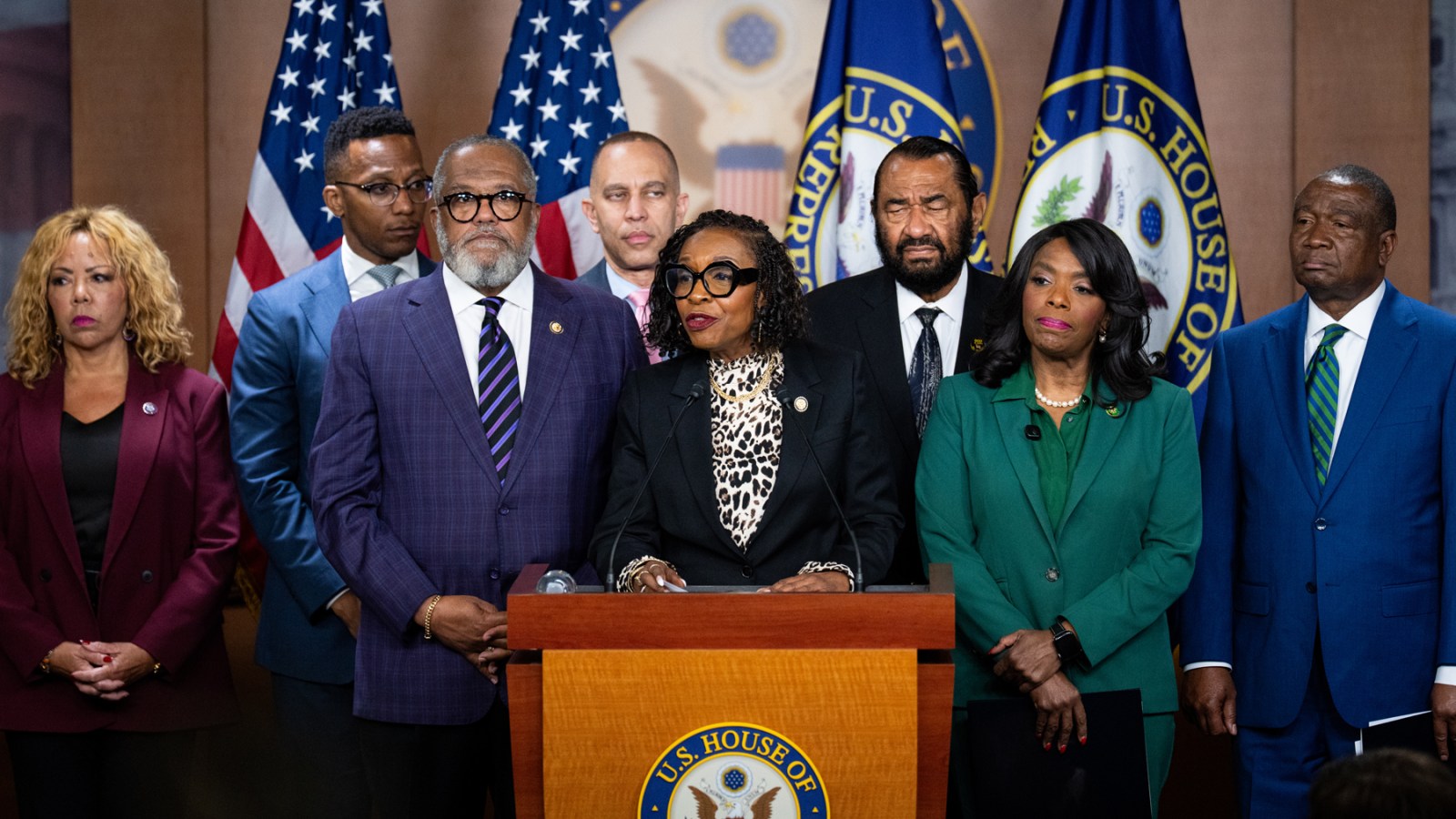
Democrats Condemn Southern GOP Efforts to Eliminate Black-Majority Districts After Supreme Court Ruling
The article examines the history of racism in America through Supreme Court decisions, contrasting landmark civil rights cases (Brown v. Boa
 Rolling Stone·1mo ago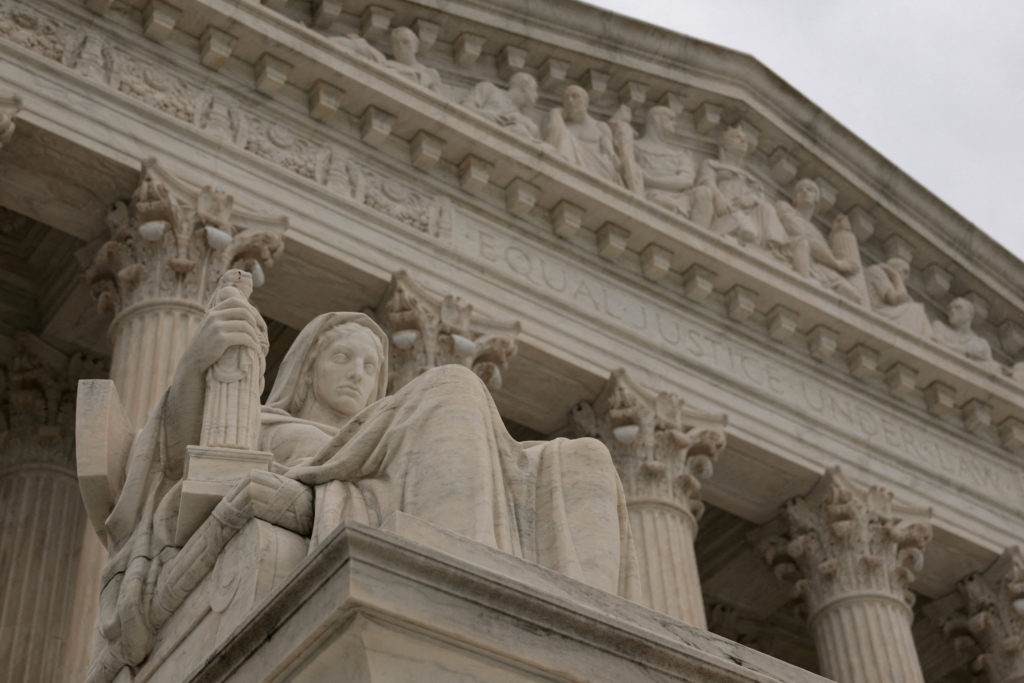
Alabama appeals to Supreme Court to keep congressional map with single Black-majority district
Alabama's Republican Attorney General Steve Marshall has filed an emergency appeal with the U.S. Supreme Court, asking to use a congressiona
 pbs.org·1mo ago
Disability in the United States at 250: A History of Exclusion and Progress
A reflective piece examining disability in America through the lens of the nation's 250th anniversary. It traces U.S. disability history fro
 newamerica.org·1d ago
Comments
Sign in to join the conversation.
No comments yet. Be the first.