
























University of Auckland researchers develop AI to predict bowel cancer risk from stool samples
By
RNZ | Te Reo Irirangi o Aotearoa
Summary
Researchers at the University of Auckland's Liggins Institute are developing an AI system trained on stool samples from New Zealand's bowel screening programme to predict bowel cancer risk earlier. The AI would analyze Fecal Immunochemical Test (FIT) samples, which detect hidden blood in stool — a key risk factor for bowel cancer. The goal is to enable earlier diagnosis and improve patient outcomes.
Source

 bskyUniversity of Auckland researchers develop AI to predict bowel cancer risk from stool samplesrnz.co.nz
Key quotes
· 1 pulledResearch fellow at University of Auckland's Liggins Institute Dr Theo Portlock sa
You might also wanna read


Colon Cancer Screening: Early Detection Saves Lives
Colorectal cancer is the second leading cause of cancer death in the United States, but early detection through screening significantly impr
 hopkinsmedicine.org·6d ago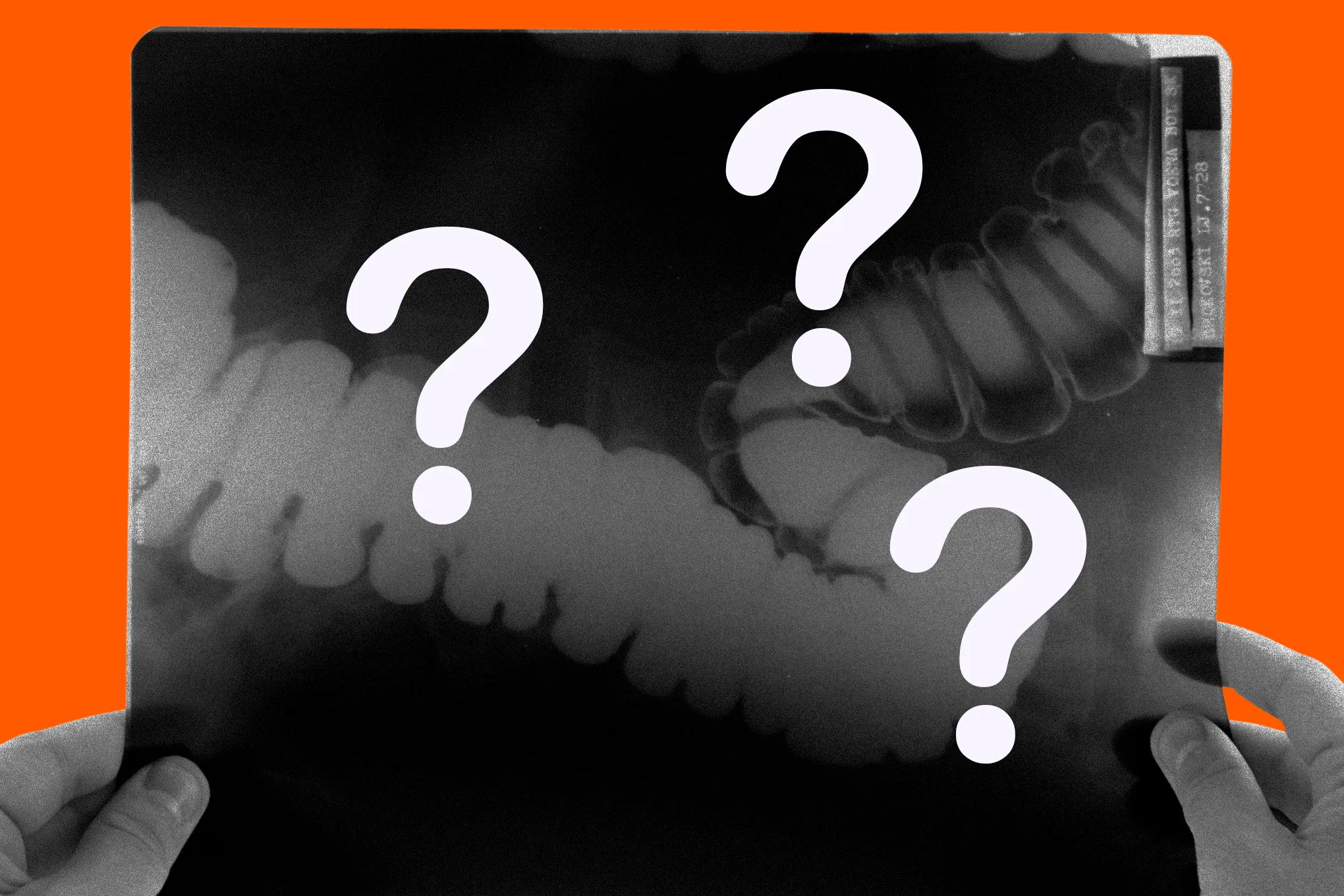
Study Shows Doctors' Cancer Detection Skills Decline Without AI Assistance
A new study reveals that doctors who frequently use AI for cancer detection during colonoscopies performed worse when AI was not available,
 The Verge·10mo ago
Study Shows AI Assistance Temporarily Boosts Doctors' Cancer Detection Skills
A study found that while AI initially improved doctors' ability to detect pre-cancerous growths in the colon, their skills declined by about
 bloomberg.com·10mo ago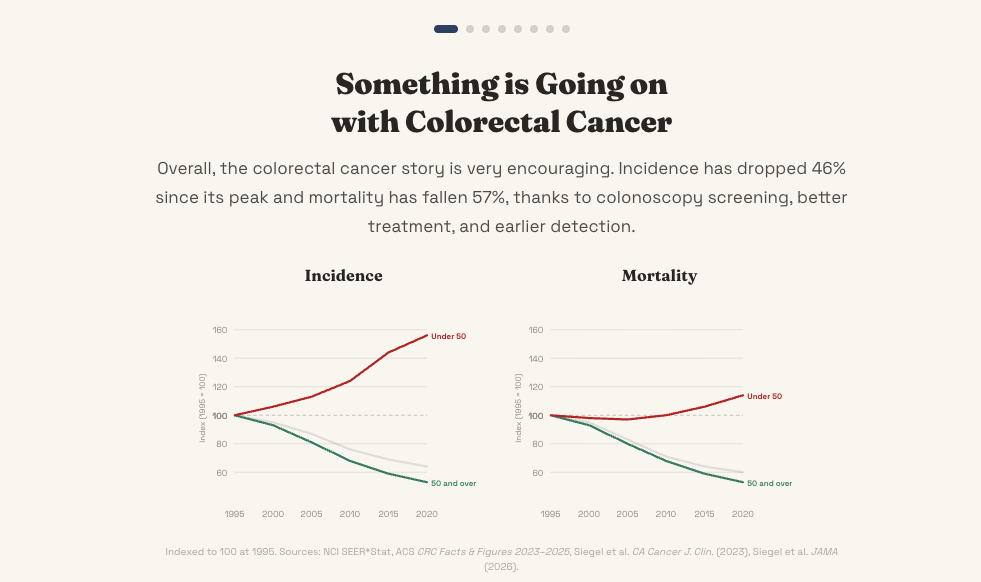
Data Analysis: The Rising Incidence of Colorectal Cancer in Younger Adults
This interactive data journalism piece examines the concerning rise of colorectal cancer among younger adults, exploring population trends,
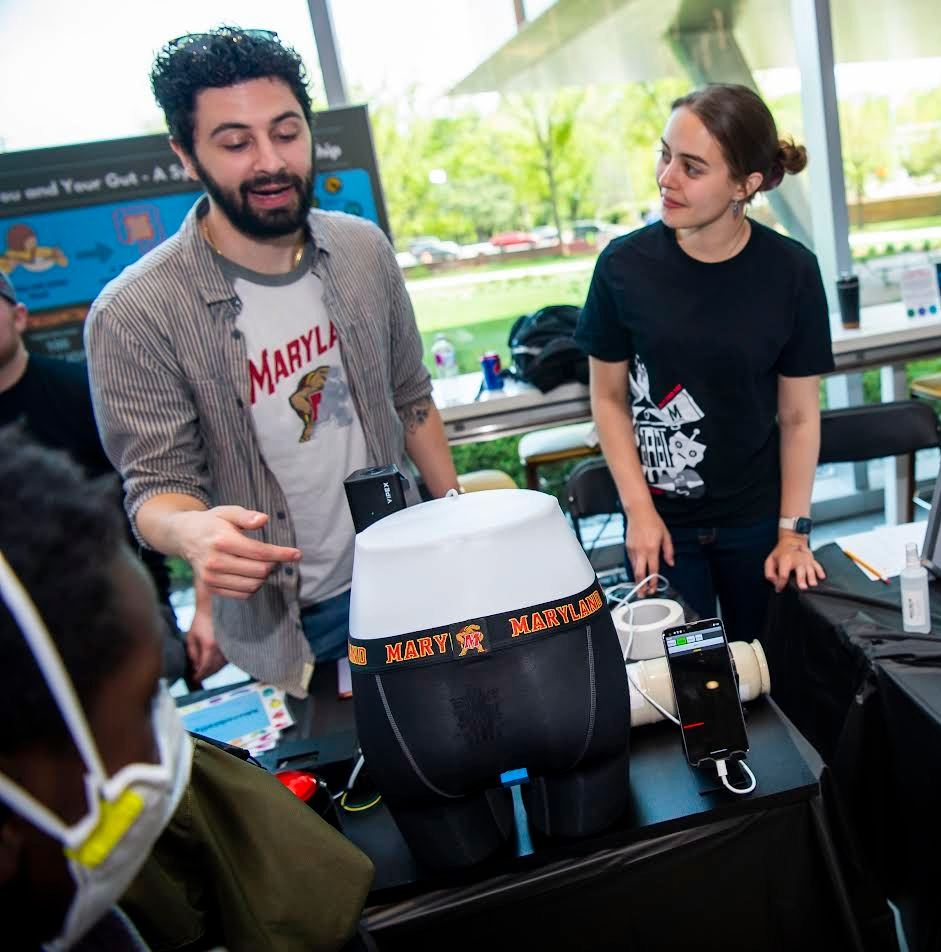
University of Maryland Researchers Develop Smart Underwear to Measure Human Flatulence
University of Maryland scientists have developed 'Smart Underwear,' a wearable device that measures human flatulence by tracking hydrogen in
 cbmg.umd.edu·3mo ago
:max_bytes(150000):strip_icc()/colon-cancer-screening-tout-031424-20def394ad31433e9c01310eddd1f418.jpg)
Comments
Sign in to join the conversation.
No comments yet. Be the first.