
























AI-Powered Cameras Enhancing Road Safety in the U.S.
AI cameras are transforming intersections into safer spaces. How are they changing driver behavior without invading privacy?
Read the full articleYou might also wanna read

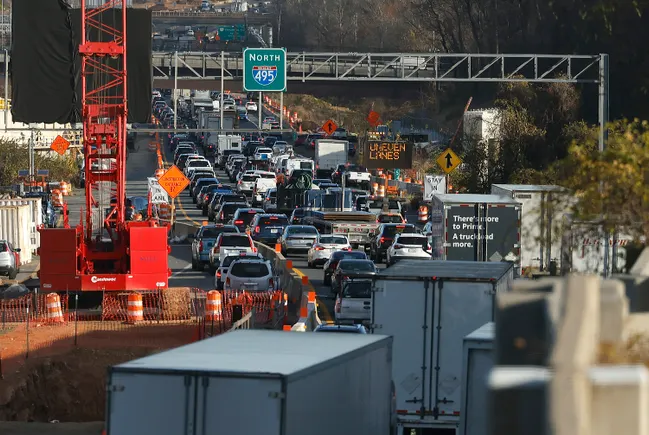
AI and VR technologies show promise for reducing struck-by incidents in road construction zones
“VR- and AI-based safety training should not be viewed as an experimental technology anymore,” said Namgyun Kim, assistant professor in cons
 constructiondive.com·8d ago
The Coming Era of AI Surveillance: Automated Enforcement and the End of Privacy
In the near future, AI-powered surveillance systems will be able to track everything we do in public, and much of what we do in private. And
 schneier.com·6d ago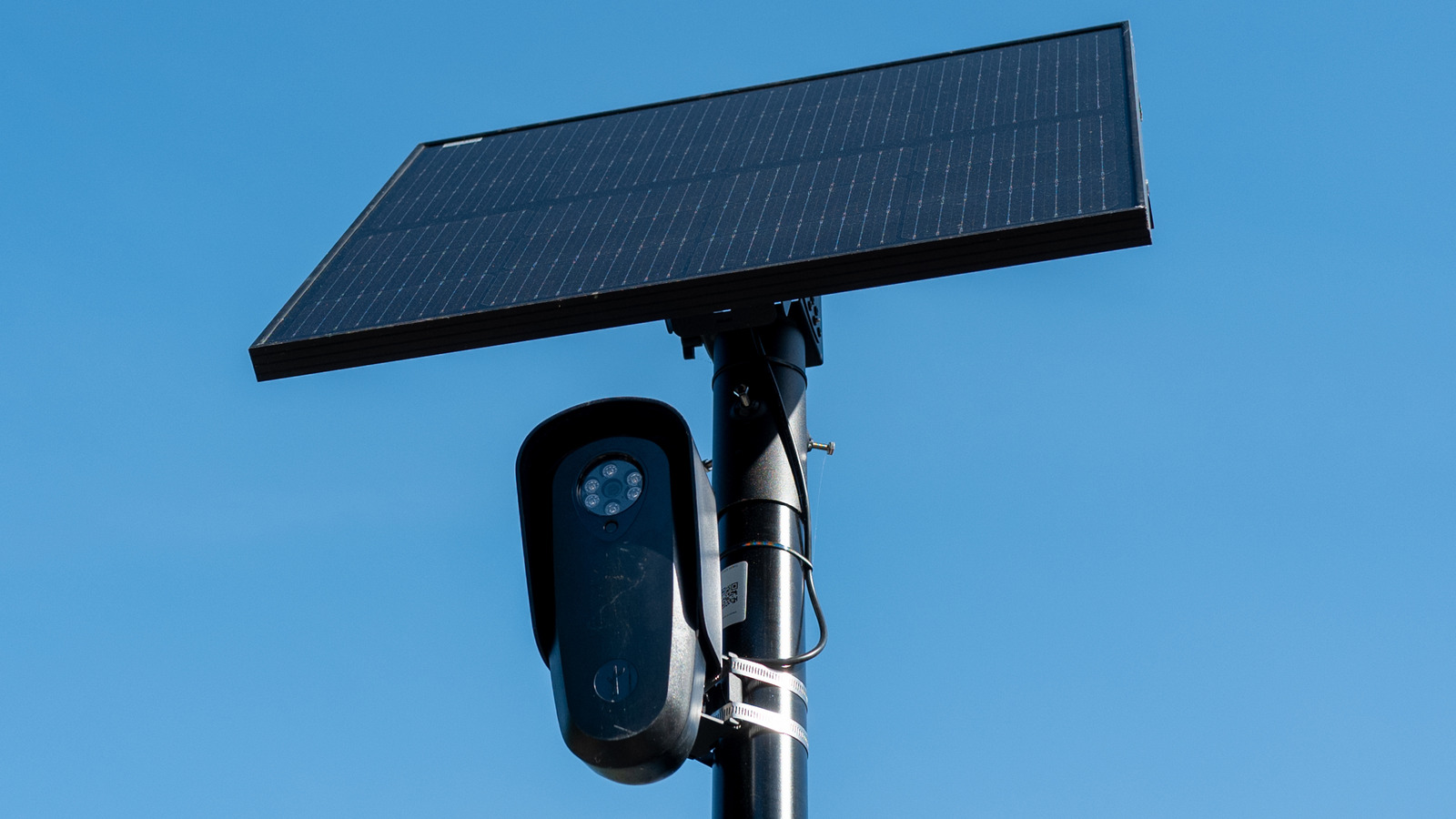
How Flock Safety's Solar-Powered License Plate Cameras Work
Curious about those black boxes on neighborhood poles? Learn how Flock cameras use solar power and smart lenses to log traffic details day o
 jalopnik.com·1mo ago
AI Road Safety: AI Analysis Links Pavement Conditions to Crash Risk
Artificial intelligence is transforming transportation by helping governments, engineers, and road safety professionals make smarter decisio
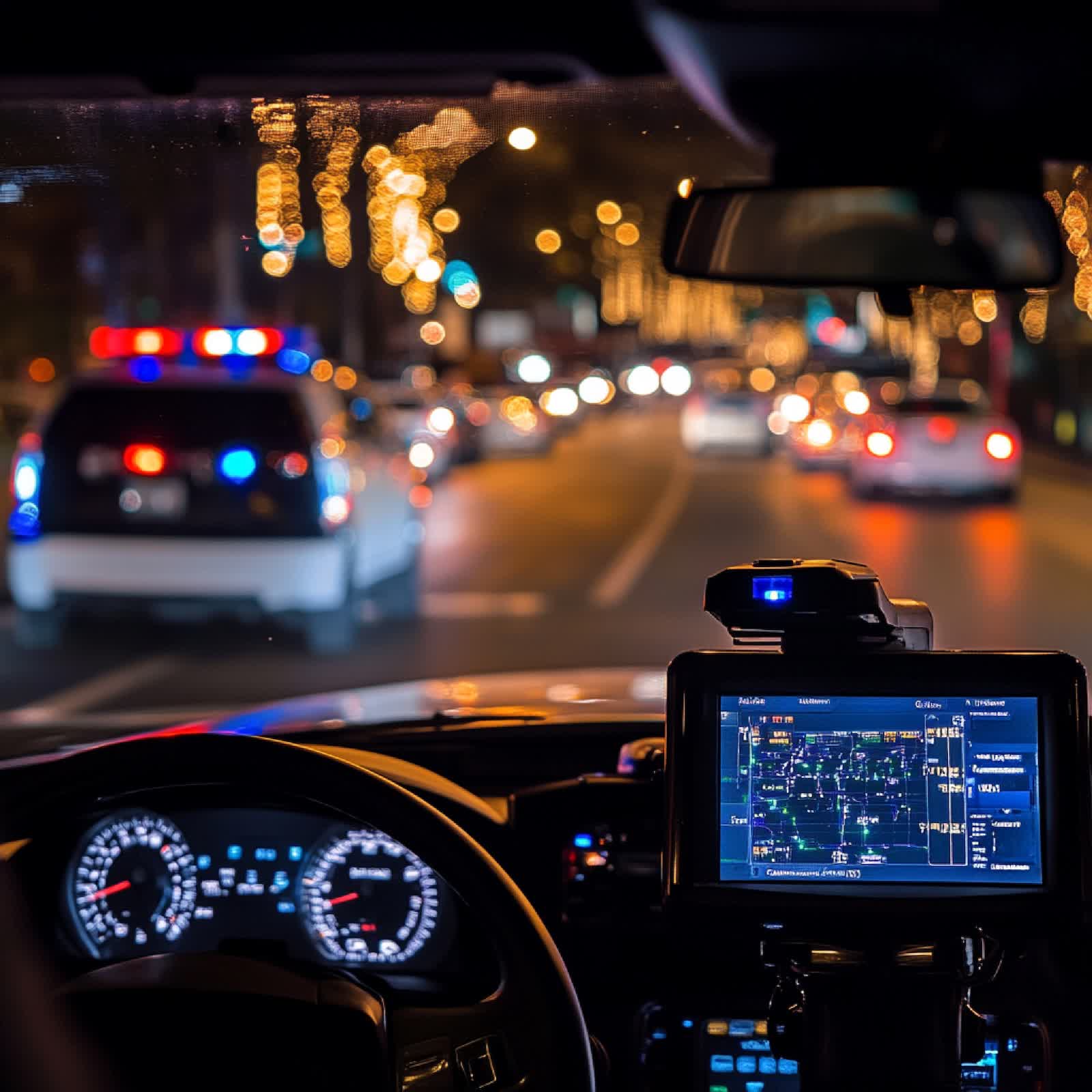
License plate cameras track 20 billion vehicles monthly as cities push back on surveillance
Flock Safety is squarely at the center of that debate. The Atlanta-based company has rapidly expanded by selling automated license plate rea
 techspot.com·17d ago
Flock Safety's AI Camera Network Tracks Millions of Drivers Across the US, Sparking Privacy Backlash
Flock cameras have been called invasive, insecure, and unconstitutional. Can a grassroots movement beat them back?
 truthout.org·5d ago
Comments
Sign in to join the conversation.
No comments yet. Be the first.