
























How AI demand is driving up smartphone prices and ending the era of cheap devices
The global memory crunch and the great repricing of consumer electronics
Read the full articleYou might also wanna read


How AI requirements are driving up the cost of budget smartphones
The global memory crunch and the great repricing of consumer electronics
 davidoks.blog·1mo ago
AI Boom Is Making Your Gadgets More Expensive! Here's Why
The AI boom could now be affecting the price of your next smartphone, laptop, or gaming console. A global memory shortage is pushing up the
AI’s Memory Boom Is Reshaping the Smartphone Market
Counterpoint says rising AI memory demand helped drive smartphone shipments to their weakest second quarter since 2013 as DRAM and NAND cost
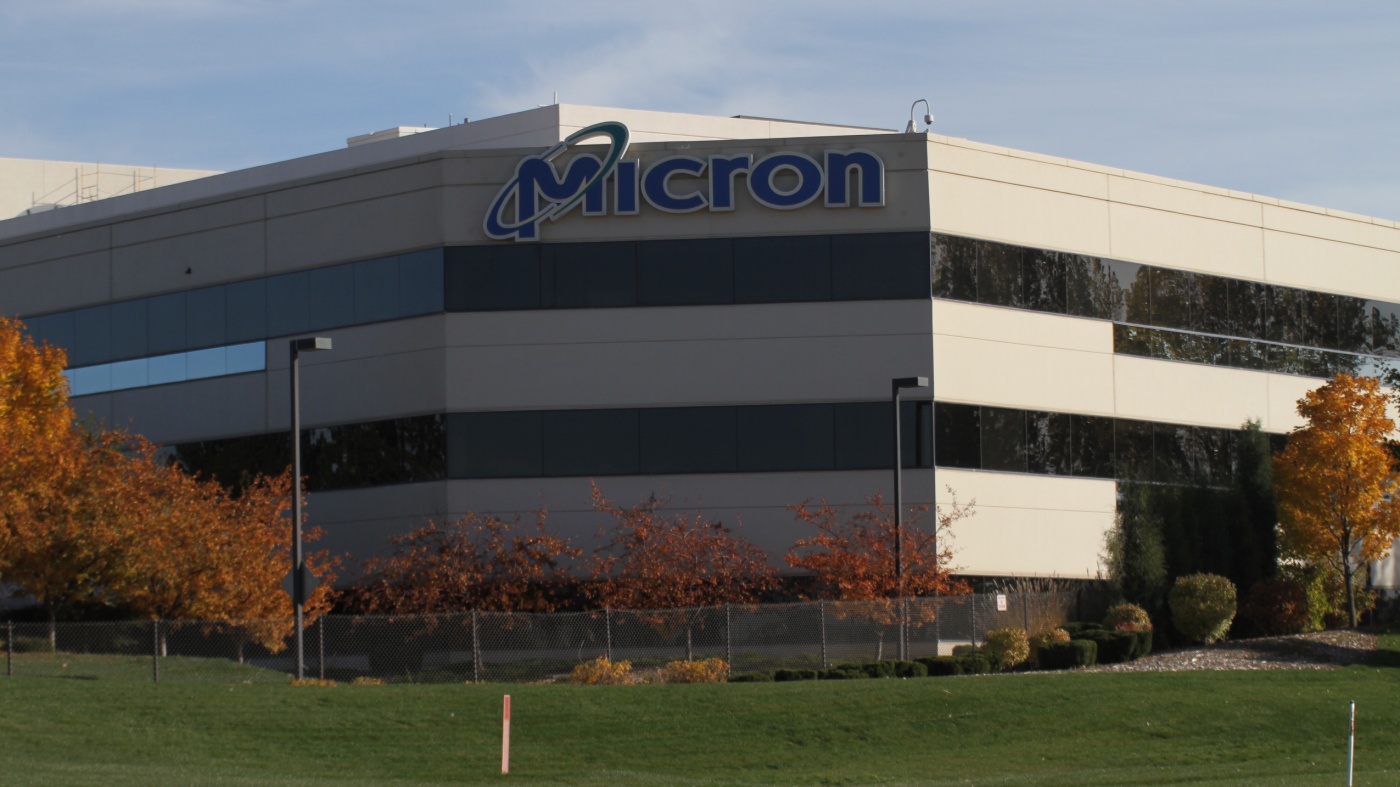
AI Boom Creates Memory Chip Shortage, May Drive Up Electronics Prices
Demand for memory chips currently exceeds supply and there's little chance of that changing anytime soon. More chips for AI means fewer avai
 npr.org·6mo ago
AI Boom Could Make Cheap Android Phones More Expensive
Rising DRAM and NAND prices are forcing Android phone makers to cut specs, raise prices, and rethink budget smartphones, according to Omdia.
New Buying Guide for 2026: Why AI Is Making Budget Smartphones More Expensive
AI data centers are consuming more memory chips, increasing costs for smartphone makers and pushing up prices or reducing specifications on
Comments
Sign in to join the conversation.
No comments yet. Be the first.