
























AI in the Courtroom: Exploring the Potential for Artificial Intelligence as Legal Decision-Makers
Some legal experts believe AI can make the process of reaching a court ruling or arbitration settlement cheaper and more effective, but the technology’s use raises new questions.
Read the full articleYou might also wanna read
Artificial Intelligence in the Courtroom: Friend or Foe?
Correctional Offender Management Profiling for Alternative Sanctions is the US’s primary predictive analytics tool in the courts. When artif
AI blindness in the courtroom
What the bench, bar, and counsel owe self-represented litigants who have trusted an AI tool that’s led them astray


AAA president Bridget McCormack on adapting arbitration to the AI era
Bridget McCormack, president and CEO of American Arbitration Association-International Centre for Dispute Resolution, tells Manokamana...
 law.asia·1mo ago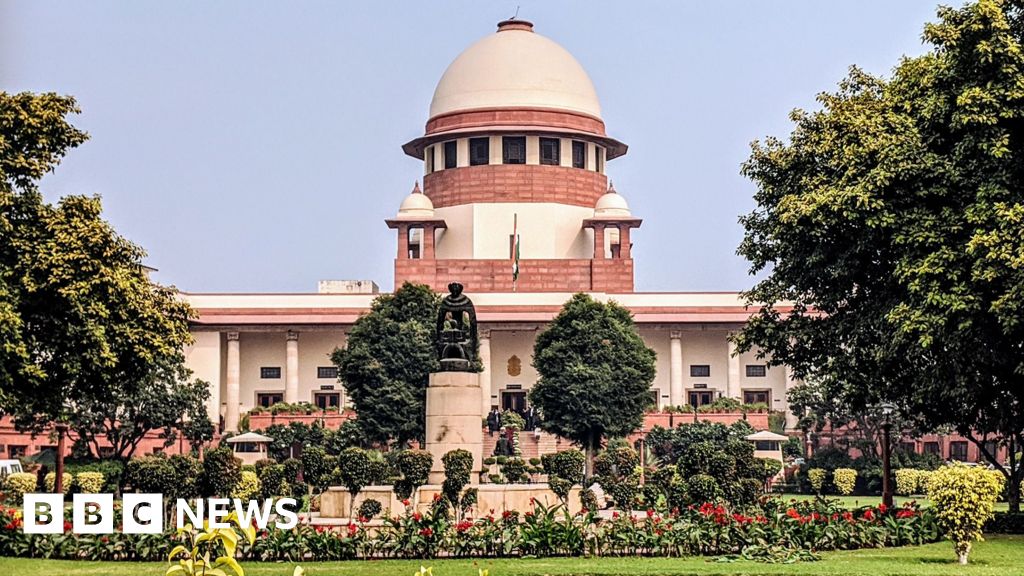
India's Supreme Court Investigates Judge's Use of Fake AI-Generated Court Orders
In several recent instances, AI has disrupted court proceedings in India and elsewhere.
 bbc.com·4mo ago
Beyond Regulation: What 500 Cases Reveal About the Future of AI in the Courts
Senior Barrister Discusses AI's Transformative Impact on the Legal Profession
It feels, pleasingly, like a scene from a cerebral James Bond film, or perhaps an episode of Slow Horses. I am in a shadowy corner of a plus
 spectator.com·6mo ago
Comments
Sign in to join the conversation.
No comments yet. Be the first.