
























AI Foundation Model Improves Ophthalmologist Diagnostic Accuracy in Randomized Controlled Trial
In the context of an increasing need for clinical assessments of foundation models, we developed EyeFM, a multimodal vision–language eyecare copilot, and conducted a multifaceted evaluation…
Read the full articleYou might also wanna read
New Collection: Multimodal AI in Retinal Disease: Imaging, Clinical Data, and Real‑World Endpoints
We are pleased to announce a new collection in International Ophthalmology, focusing on AI in ophthalmology.


IRIS: Revolutionizing Eye Disease Detection with Smarter AI
IRIS, a new AI system, revolutionizes ocular disease diagnosis through a novel dataset and advanced algorithms, outperforming larger models.

Applying the Toulmin Argumentation Model to Interpretable ML-Based Retinal Diagnosis
To provide a structured and interpretable assessment, we decompose the image-based diagnosis into components following the Toulmin model of
 arxiv.org·3d ago
AI4Eyes wins $700,000 MEDTEQ+ award to test its dry eye AI in clinics
The Montreal eye-care startup will spend the one-year Avise project generating real-world evidence with a Quebec health evaluator.
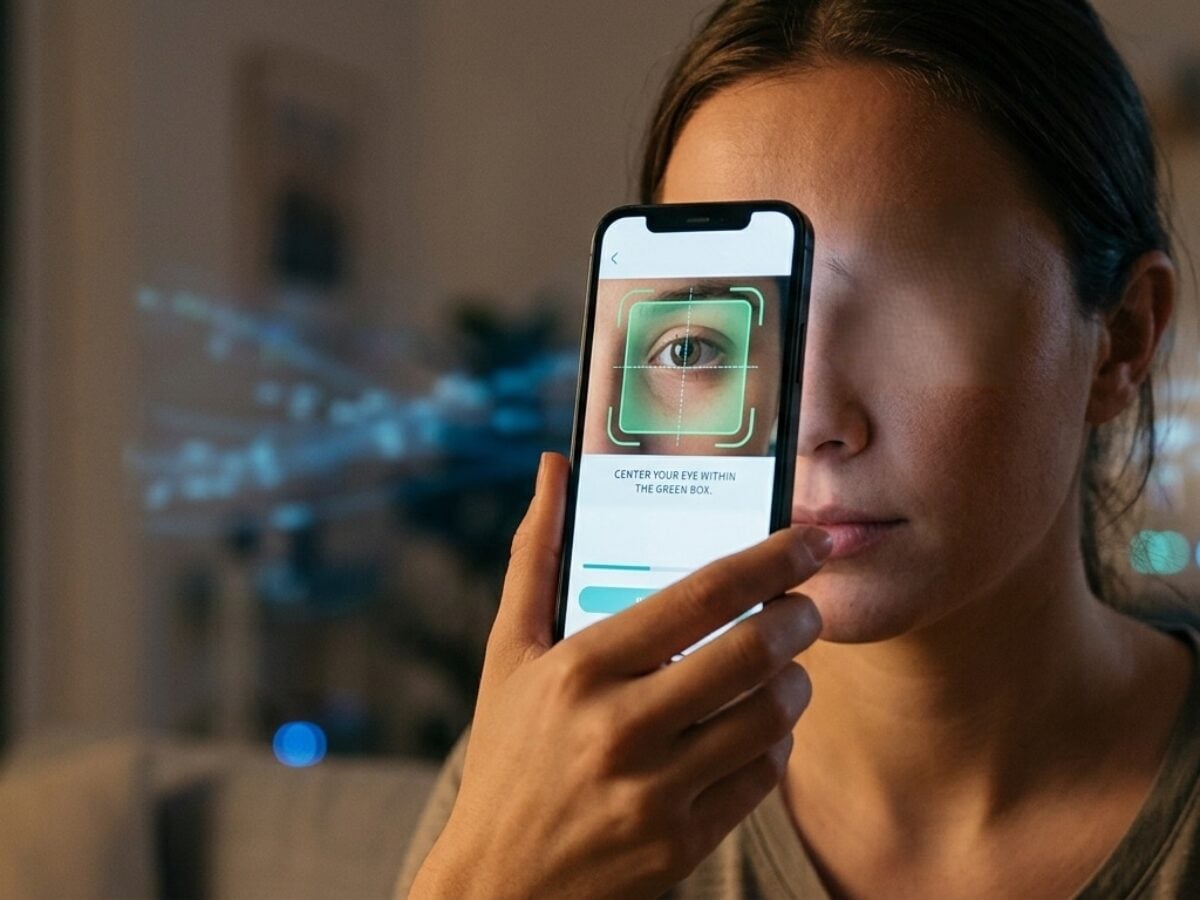
Smartphone AI app detects eye surface cancers with near-specialist accuracy, study finds
A smartphone-based Artificial Intelligence application has been shown to detect cancers on the surface of the eye with near-specialist accur
 tribuneonlineng.com·21d ago
Artificial intelligence (AI) in action: a cross-continental survey of AI adoption among field epidemiology fellows in Canada, the United States, and Europe, 2024
BACKGROUND Technologies available for applied public health practice are rapidly evolving. Artificial intelligence (AI) tools have become mo
Comments
Sign in to join the conversation.
No comments yet. Be the first.