





















AI Enhances Physics Experiments at LIGO
By
pseudolus

Crisp on the outside, thoughtful on the inside. A keeper.
Summary
Artificial intelligence software is designing novel experimental protocols that improve upon the work of human physicists, particularly in precision measurements like those at the Laser Interferometer Gravitational-Wave Observatory (LIGO). The software's experiments have shown success despite their unconventional nature.
Key quotes
· 3 pulled"There are precision measurements, and then there’s the Laser Interferometer Gravitational-Wave Observatory."
"It’s by measuring these minuscule differences — a sensitivity akin to sensing the distance to the star Alpha Centauri down to the width of a human hair."
"Artificial intelligence is designing novel experimental protocols that improve upon the work of human physicists."
You might also wanna read


Experimental demonstration of quantum communication advantage for Euclidean distance calculation using coherent state fingerprints
This paper presents an experimental demonstration of quantum advantage in communication complexity for the Euclidean distance problem. The r
 arxiv.org·43m ago
Quantum research reveals when entanglement hinders rather than helps channel discrimination
This research paper investigates the role of entanglement in quantum channel discrimination, challenging the common assumption that more ent
arxiv.org·47m ago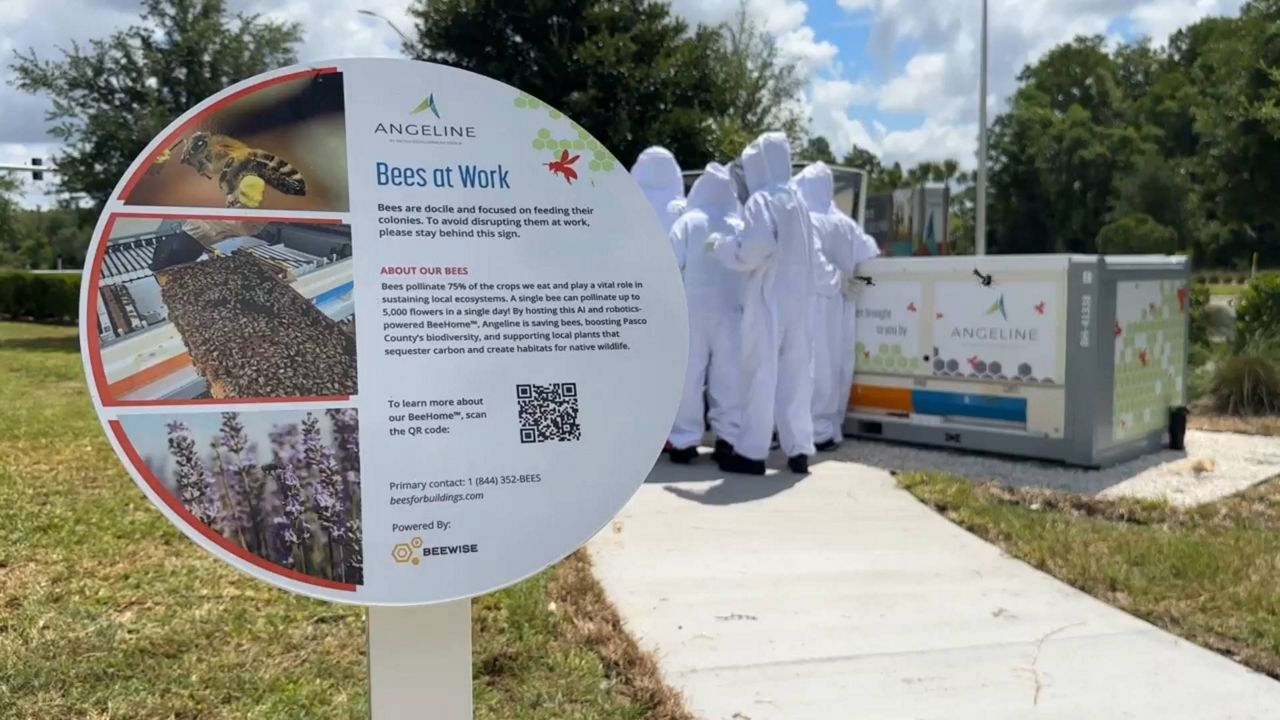
Florida community Angeline installs AI-powered robotic beehive to protect pollinators
A Pasco County, Florida community called Angeline has installed a robotic beehive system equipped with AI technology, becoming the first mas
 baynews9.com·56m ago
Study Finds Most AI Chatbots Prioritize Ad Revenue Over User Welfare in Conflict-of-Interest Scenarios
This research paper analyzes how large language models (LLMs) handle conflicts of interest when company revenue incentives (advertisements)
arxiv.org·1h ago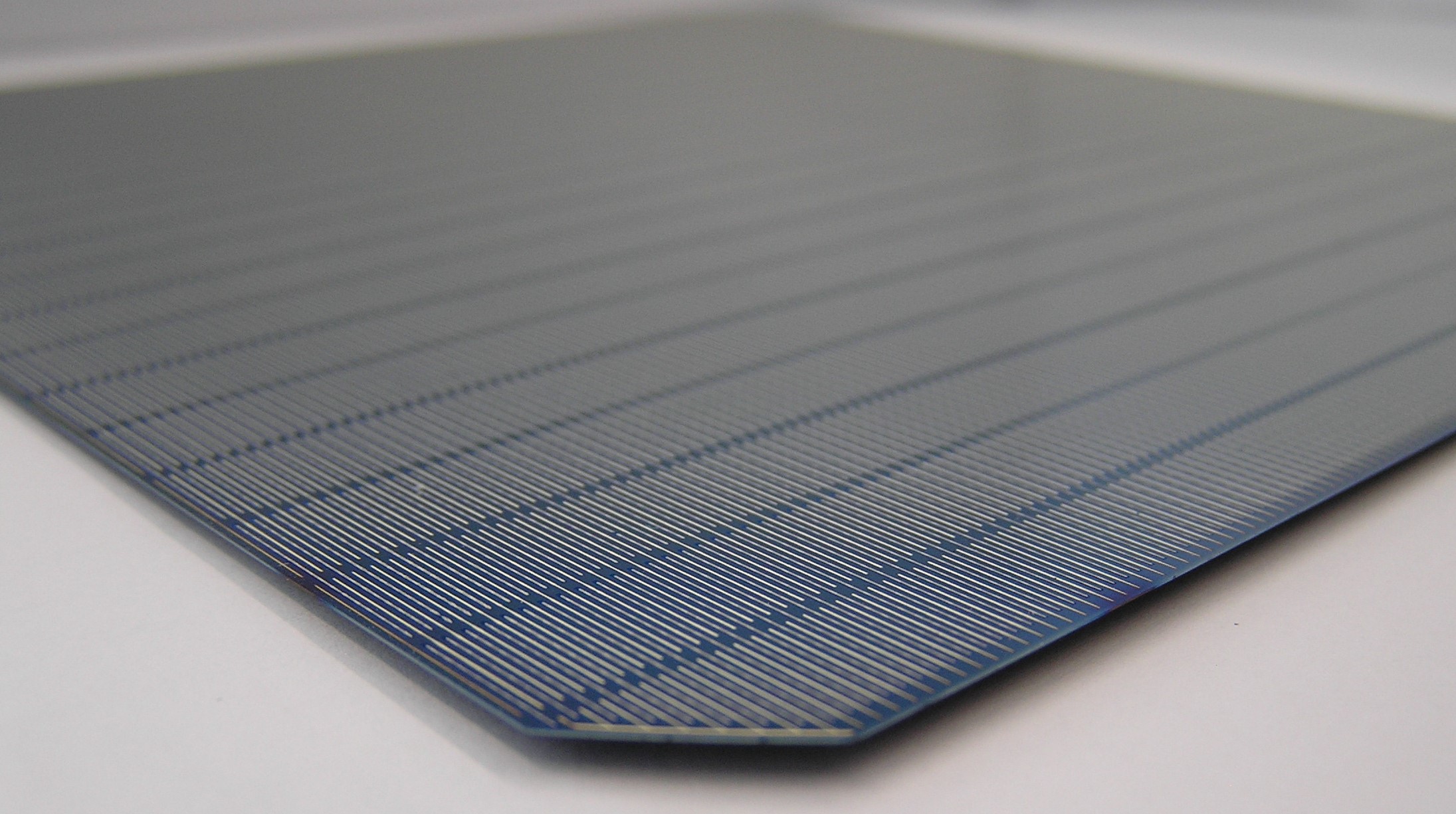
German study finds POLO back-junction solar cells more cost-effective than PERC technology in Europe
A German research team from the German Aerospace Center (DLR) conducted a techno-economic analysis of POLO back-junction (BJ) solar cells in
 pv-magazine.com·1h ago
AI-powered whale detection system deployed in San Francisco Bay to prevent ship collisions
A new AI-powered whale detection system is being deployed in San Francisco Bay to prevent ship collisions with whales. The system uses under
 apnews.com·1h ago