
























Agricultural History May Explain Cultural Differences in Thinking Styles Between East and West
Westerners tend to be more individualistic than Easterners. Did our ancestors plant these cultural differences hundreds of years ago when they chose which grains to grow?
Read the full articleYou might also wanna read


Study reveals where farmers really get their management ideas
A Purdue study found farmers are more likely to get new production ideas from agricultural media and fellow producers than directly from ret

Assessing the Multidimensional Performance of Agroecology: Current Knowledge and Research Gaps
Agroecology has been hailed as 'the ultimate and most comprehensive solution to the many challenges of the agricultural and food system' (Ew
 frontiersin.org·27d ago
Can a Single Cause Produce Multiple and Mixed Consequences? Yes, but More So if You're a Holistic Person
A new study examines two unexplored dimensions of causality related to holistic vs analytic thinking styles and the implication for corporat
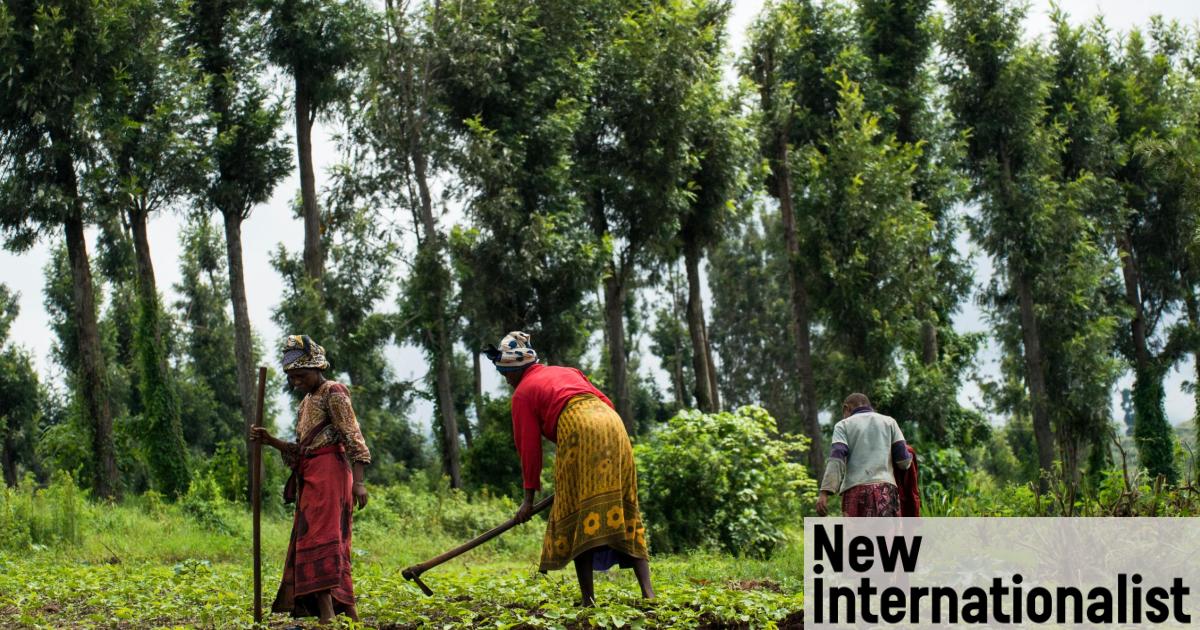
Study: Small-scale farmers play a larger role in global food production than previously estimated
By measuring production over consumption, previous research has skewed our perception of how farmers feed the world, writes Oliver Taherzade
 newint.org·1mo ago
Large precolonial villages in the Brazilian Cerrado practiced maize-based polyculture, evidence reveals
For decades, researchers have debated the subsistence strategies of precolonial societies in the Brazilian Cerrado (tropical savanna): Were
Cultural capital, parenting styles and adolescent’s academic achievement in China: based on the cultural capital theory
Zhao, Rujing Asia Pacific Education Review 01 June 2026 : pp.623-637 Formats: Citation/Abstract , Obtenir à l'UdeM
Comments
Sign in to join the conversation.
No comments yet. Be the first.