





















Mouse Study Links Protein TTP to Improved Strength and Reduced Frailty in Aging
By
Ivan Farkas

The kind of bagel that ruins lesser bagels for you.
Summary
Researchers at the University at Buffalo identified the protein tristetraprolin (TTP) as a potential target for reducing age-related frailty and bone loss. In a study on mice, boosting TTP levels led to improved grip strength, walking ability, endurance, and overall physical performance. The protein helps keep inflammation in check, suggesting a possible pathway for developing therapies to ease aging effects in humans, though the evidence is currently limited to animal models.
Key quotes
· 1 pulledBoosting TTP in aging mice resulted in 'better grip strength, better walking, endurance, and overall physical performance'
You might also wanna read

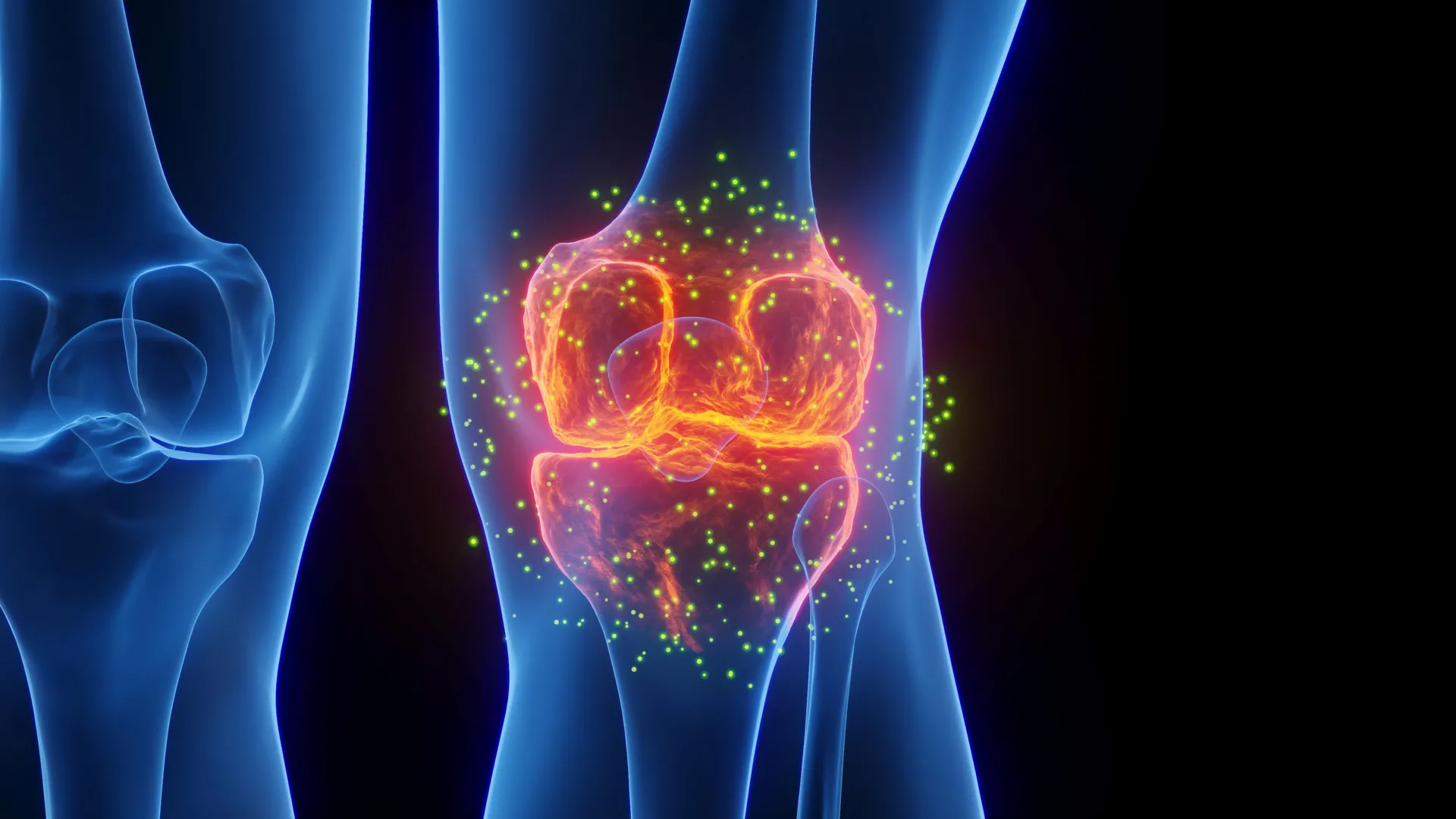
Stanford Study: Blocking Aging Protein Reverses Cartilage Loss and Prevents Arthritis
Stanford Medicine researchers have discovered that blocking a protein linked to aging can reverse cartilage loss in aging joints and prevent
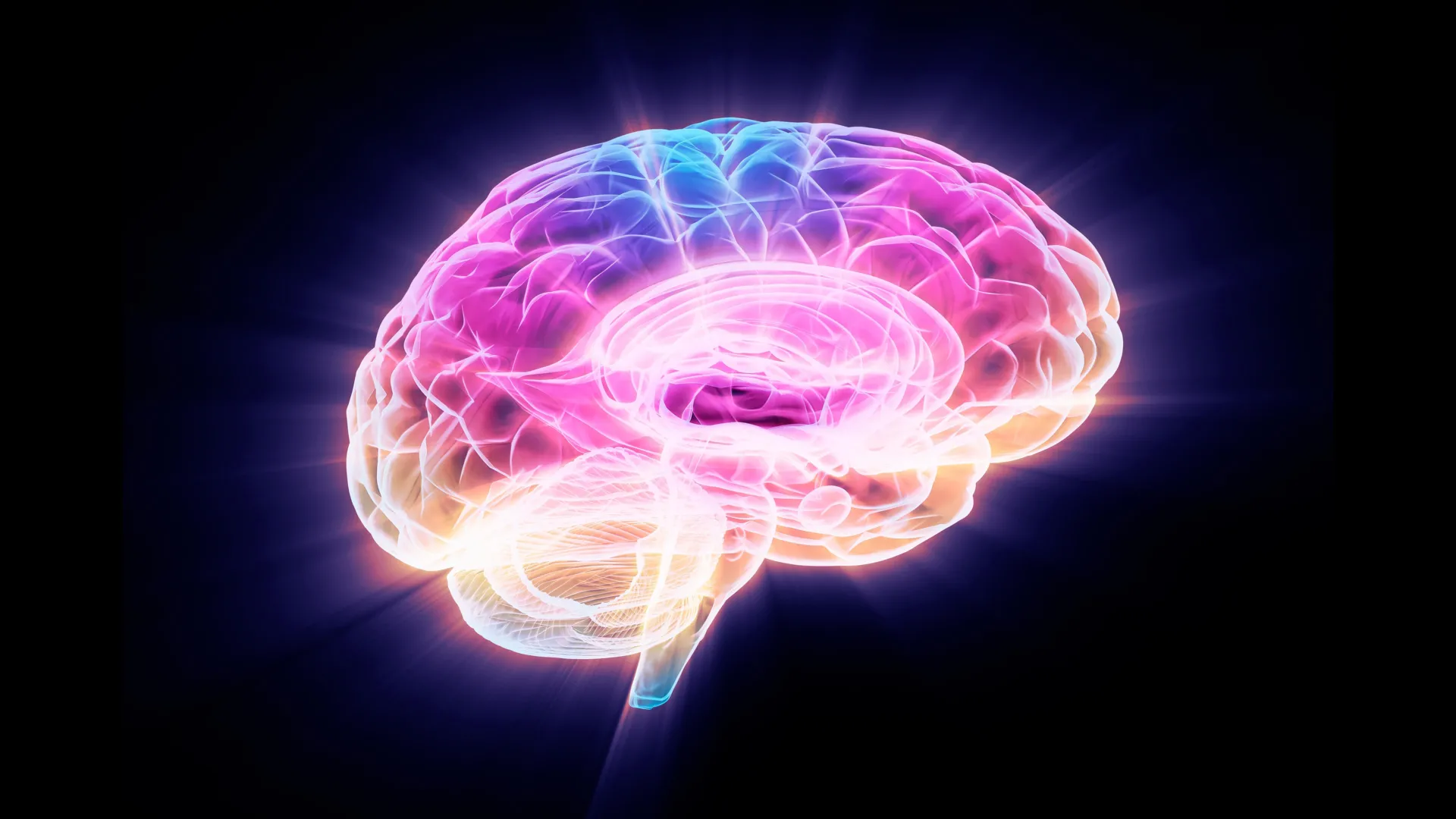
UCSF Researchers Identify FTL1 Protein as Key Factor in Brain Aging and Potential Reversal
Researchers at UC San Francisco have discovered that a protein called FTL1 plays a central role in brain aging. In mice studies, older anima

Monash University study finds copper-delivering drug Cu(ATSM) reduces Alzheimer's proteins and improves memory in lab tests
Monash University researchers have discovered that a copper-delivering drug called Cu(ATSM) significantly reduces toxic Alzheimer's proteins
 monash.edu·1d ago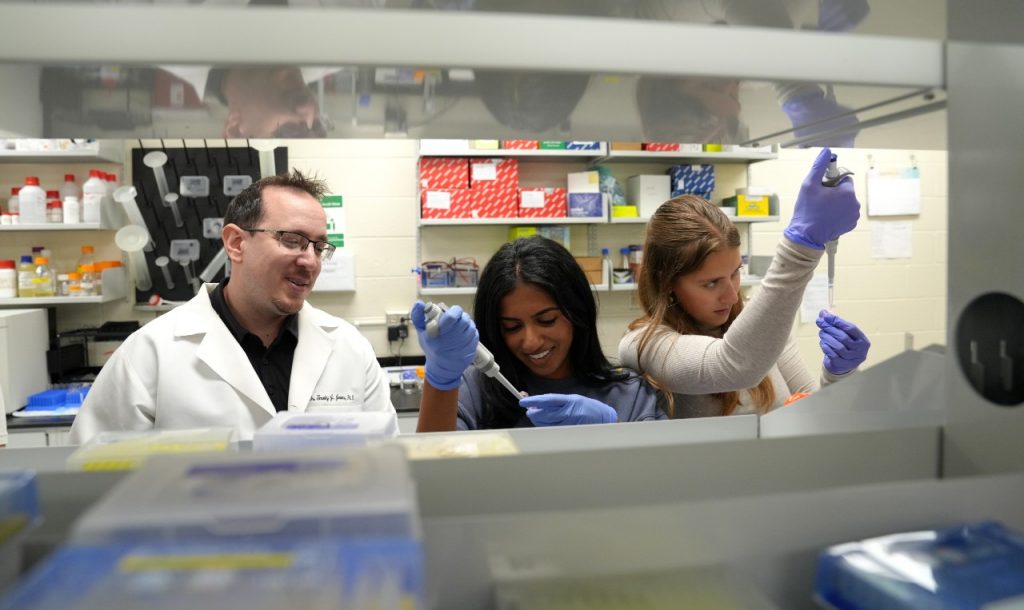
Virginia Tech Researchers Reverse Age-Related Memory Decline by Targeting Molecular Changes in Brain
Virginia Tech researchers conducted two studies on age-related memory decline, focusing on molecular changes in the brain. The first study e
 news.vt.edu·7mo ago
Novel Blood-Brain Barrier Modulation Strategy Shows Promise for Alzheimer's Treatment Through Enhanced Amyloid-β Clearance
This scientific research presents a novel therapeutic approach for Alzheimer's disease that targets the blood-brain barrier (BBB) to enhance
 nature.com·8mo ago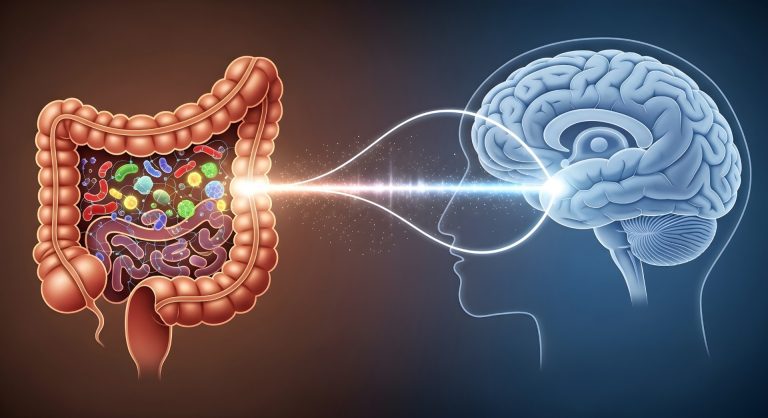
Stanford Study: Restoring Gut-Brain Communication Reverses Cognitive Decline in Aging Mice
Stanford Medicine researchers discovered that aging-related changes in gut bacteria composition trigger an inflammatory response that impair
 med.stanford.edu·3mo ago