





















Podcast: Europe's wolf comeback sparks coexistence debate, and a chip-based electronic nose detects spoiled food
By
Sarah Crespi
Summary
This podcast episode covers two main stories: (1) The remarkable recovery of wolf populations in Europe after near-extinction, now numbering about 20,000, which has sparked conflicts over livestock attacks and coexistence with humans. Contributing Correspondent Gretchen Vogel discusses these tensions. (2) Ph.D. student Carla Bassil presents research on developing an electronic nose using gas sensors on a chip to detect spoiled chicken and peanut contamination in food.
Source

 Twitter / XPodcast: Europe's wolf comeback sparks coexistence debate, and a chip-based electronic nose detects spoiled foodscim.ag
Key quotes
· 3 pulledAfter near extermination in much of the continent, wolf numbers have surged up to about 20,000 individuals.
Wolves have made a spectacular comeback in Europe but attacks on livestock and humans have caused a heated debate about the limits of coexistence.
Using a range of gas sensors on a chip to detect rotting food or peanut contamination.
You might also wanna read


Human Activity Is Disrupting Natural Smellscapes, Threatening Wildlife Communication and Pollination
Human activities are altering environmental "smellscapes" — the chemical signals that plants and animals use to communicate. Air pollution,
 e360.yale.edu·16d ago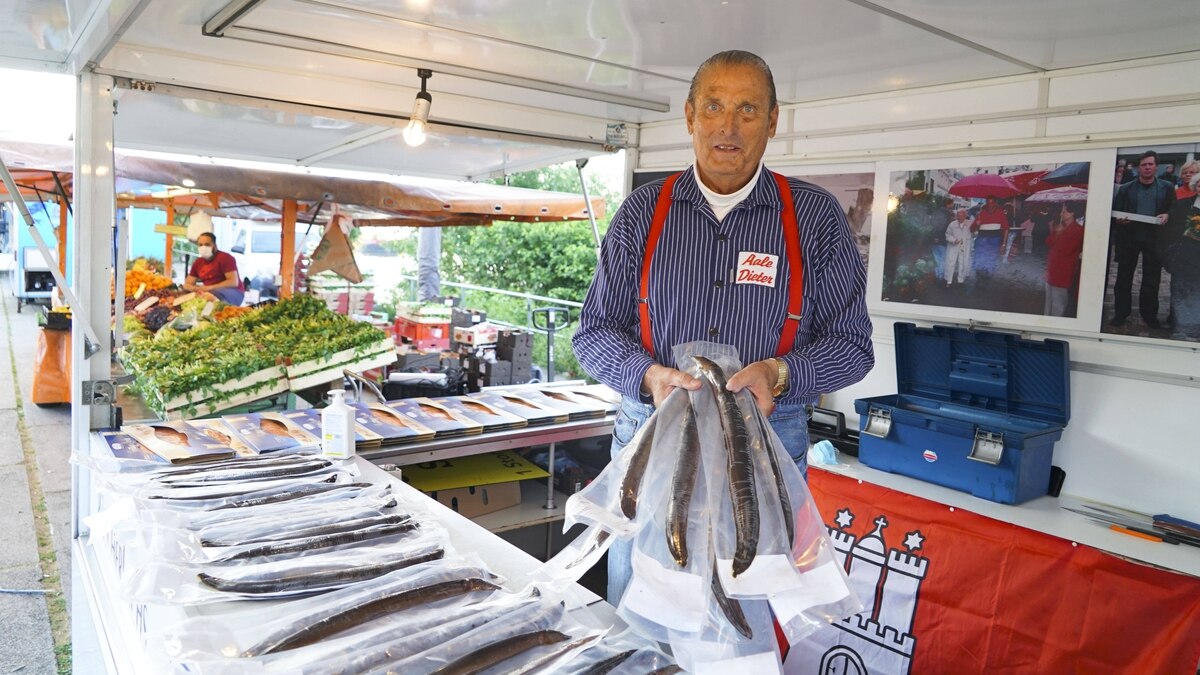
The European Eel Crisis: Tradition vs. Conservation as a Species Nears Extinction
The article explores the paradox of the European eel (Aal) being critically endangered yet still widely consumed across Europe. It profiles
 taz.de·18d ago
Ancient squirrel feces preserved in permafrost reveal Ice Age ecosystem details through DNA analysis
Researchers analyzed ancient ground squirrel feces (coprolites) preserved in the Yukon permafrost to reconstruct Ice Age ecosystems. The pel
 sciencenews.org·11d ago
AI and Local Knowledge Combined to Document the Largest Cape Buffalo Mega-Herd Ever Recorded
This study demonstrates a novel approach combining artificial intelligence (AI) with local ecological knowledge to analyze opportunistic wil
 onlinelibrary.wiley.com·5d ago
Estimating mass gain in wild birds using wingbeat frequency from biologgers
This article presents a scientific study on using wingbeat frequency measured from biologgers (animal-borne sensors) to estimate mass gain i
 buff.ly·7d ago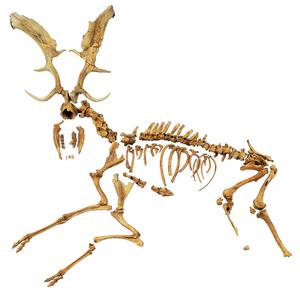
120,000-year-old fossils reveal dramatic genetic diversity loss in European fallow deer
Researchers analyzed 120,000-year-old fallow deer fossils from the Neumark-Nord site in central Germany, revealing that modern fallow deer p