
























Why you might gain weight despite exercising: It's not just about the scale
By
Inês Morais Monteiro
Summary
This article addresses the frustration of not losing weight (or even gaining) despite regular exercise. It explains that weight fluctuations are normal and can be caused by factors beyond exercise and diet, such as water retention, muscle gain, hormonal changes, and increased appetite from working out. The piece advises readers not to rely solely on the scale as a measure of progress, as exercise still yields positive results even if the number doesn't drop.
Source

 bskyWhy you might gain weight despite exercising: It's not just about the scalesapo.pt
Key quotes
· 3 pulledHá uns dias pesava menos um ou dois quilos, mas continua a exercitar-se? Não desanime! Isso não significa que o exercício não esteja a dar resultados.
A ingestão de calorias em excesso também tem um peso nessa equação. Além disso, o exercício pode ser uma consequência do aumento do apetite.
Saiba porque é que não se deve guiar pelo número que vê na balança.
You might also wanna read


Understanding Exercise-Related Heat Exhaustion: Causes and Body Temperature Effects
Exercise-related heat exhaustion is a heat illness caused by overheating during physical activity, where body temperature rises above normal
 hopkinsmedicine.org·1d ago
Phantom Fat: Understanding Why Some Weight Loss Patients Don't See Their New Bodies
This article explores the psychological phenomenon of "phantom fat" or "ghost fat," where individuals who have lost significant weight still
 mdsc.pe·10d ago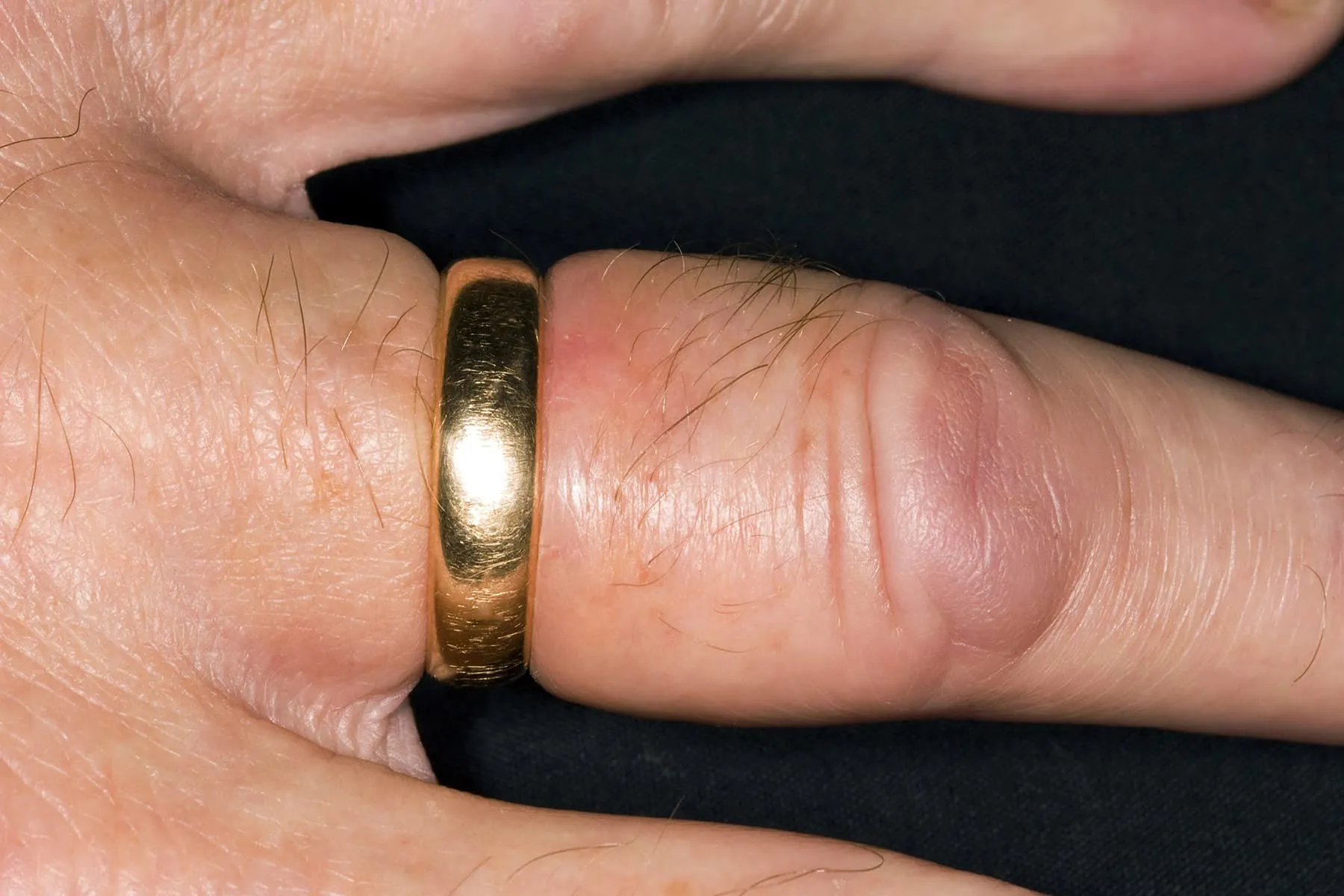
Causes of Swollen Fingers: From Fluid Retention to Exercise and Heat
This article explores the various causes of swollen fingers, ranging from benign reasons like salty meals, exercise, and heat to more seriou
 wb.md·2d ago
Study Finds Resistance Training Load Does Not Determine Muscle Hypertrophy in Healthy Young Males
This scientific research article examines whether resistance training load determines muscle hypertrophy across different limbs in healthy y
 physoc.onlinelibrary.wiley.com·6mo ago
Six-month trial finds exercise intensity influences body composition changes in older adults
This study examines how exercise intensity affects body composition changes in healthy older adults (average age 72) over a 6-month period.
Study Finds Food Consumption, Not Lack of Exercise, Is Primary Driver of Obesity
A major study challenges the common assumption that reduced physical activity and lower calorie expenditure are the primary drivers of obesi
 npr.org·11mo ago
Comments
Sign in to join the conversation.
No comments yet. Be the first.