
























Inclusive UX Design: How to Better Design for Left-Handed Users
Today, roughly 10% of people are left-handed. Yet most products — digital and physical — aren’t designed with it in mind. Let’s change that. More design patterns in Smart Interface Design Patterns, a…
Read the full articleYou might also wanna read


Accessibility Features Are Widely Used Beyond Traditional Disability Contexts
Most of us assume accessibility is meant for someone else — a different group of users. But think about it: larger text, high-contrast mode,
 protovate.com·4mo ago
Why accessibility and good design are inseparable in the arts sector
The pursuit of distinctive digital experiences often works against usability. CultureSuite’s Matt Yau explores how accessibility and good de
 artsprofessional.co.uk·11d ago
Why accessibility should be the default in research and marketing
Excluding people with disabilities from research and marketing isn't usually intentional – it's structural. Assumptions about how people com

Designing for AI Agents and Humans: Rethinking the Concept of "User" in Interface Design
AI agents now interact with digital interfaces alongside humans. Designing for both requires rethinking what "user" means and prioritizing a
 nngroup.com·1mo ago
Why Web Accessibility Matters: Building Inclusive Applications for All Users
Today, digital interaction critically influences online business growth. Hence, the concept of custom web application has emerged from its c
 customerthink.com·18d ago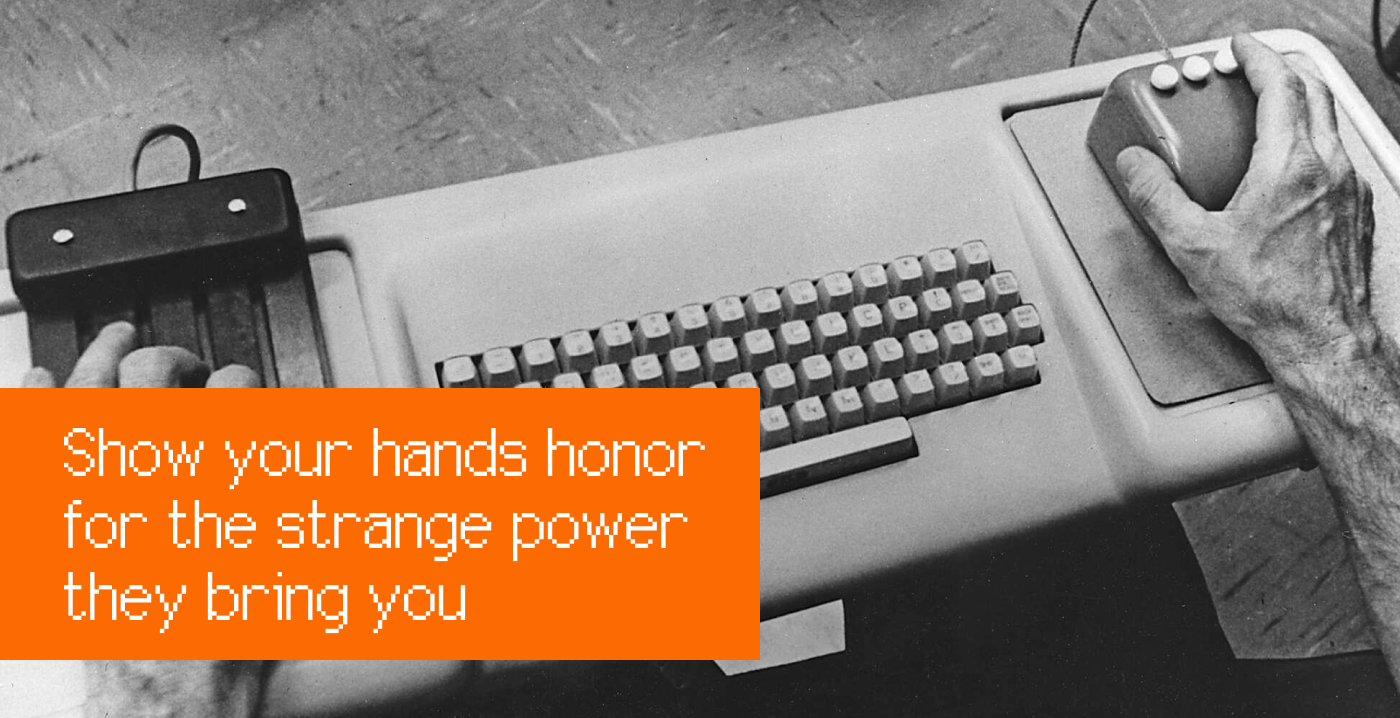
The design of typing: How our hands shaped the keyboard
On designing finger-friendly interactions
 aresluna.org·12d ago
The design of typing: How our hands shaped the keyboard
On designing finger-friendly interactions
aresluna.org·12d ago
Comments
Sign in to join the conversation.
No comments yet. Be the first.